Acupressure for Holistic Mental & Pelvic Health

Mental health, physical health, and pelvic health are all intricately connected through the nervous system. In my clinical experience, one of the most consistent challenges I have seen patients face is feeling overwhelmed, not just physically, but emotionally. Many of these patients carry invisible burdens of trauma, stress, and anxiety that may show up as pain, tension, fatigue, and even digestive and pelvic health issues. These patients often present with complex pelvic pain symptoms, which may be magnified, adding to their emotional distress.
A recent case involved a young postpartum woman who had delivered a 10 lb. 7 oz baby and was experiencing significant symptoms of symphysis pubis separation. While the physical discomfort was considerable, what deeply impacted her was the emotional toll — a profound sense of disconnection from and lack of control over her body.
Through a comprehensive, integrative approach that included body mechanics education, breathwork, acupressure, and nervous system self-regulation tools, she learned to reconnect with her body in an empowering way. This program not only addressed biomechanical issues but also helped soothe her nervous system, enabling her to meet herself with compassion and care.
Over the course of her care, she progressed from a place of pain and overwhelm to one of resilience and autonomy. This case illustrates how integrative therapies can play a pivotal role in both physical healing and emotional restoration during the postpartum period.
As an evidence-based, integrative, and trauma-informed approach, Acupressure, which is rooted in Traditional Chinese Medicine, has shown great promise. The use of Acupressure for anxiety is a common practice in integrative medicine. Acupoints such as Yin Tang (EX-HN3), Shenmen (HT7), Neiguan (P6), Hegu (LI4), Taichong (LV3), Jianjing (GB21), Zu San Li (ST36), and Sanyinjiao (SP6) are some of the most frequently used points to treat anxiety1. Yintang (EX-HN 3), an acupoint located between the eyebrows, is known to have a mentally stabilizing effect in Traditional Chinese Medicine2. A growing number of studies have also found that acupressure is effective in relieving the symptoms of depression3, Emerging research shows that Acupressure taps into the neural networks across multiple systems, aiding in emotional regulation and healing.
 The Nervous System and Its Link to Mental Health
The nervous system acts as the body’s communication network. When it’s dysregulated, often due to stress, trauma, or illness, it can trigger a wide range of mental and physical symptoms, such as:
- Anxiety and panic
- Muscle tension
- Sleep disruption
- Pelvic dysfunction
- Chronic pain
In patients who are dysregulated, we may see a sympathetic overdrive that activates their “fight or flight” response. True healing often requires guiding the body out of the survival mode and back into a calm, regulated state, and this is where integrative holistic tools like Acupressure can become a key therapeutic bridge.
Integrating Acupressure into Pelvic Health and Mental Wellness
The pelvic floor is highly responsive to stress, often tightening in response to anxiety, fear, or unresolved trauma. This can result in pelvic pain, urinary dysfunctions, dyspareunia, constipation, and a whole range of pelvic health dysfunctions.
These symptoms are not just physical; they often reflect underlying nervous system dysregulation. That’s why incorporating acupressure into pelvic health care can be a game-changer for many patients. Acupressure can assist with:
- Calming hyperactive pelvic nerves
- Improving circulation and mobility in the pelvic region
- Releasing stored muscular tension and trauma
- Supporting emotional grounding and resilience
Especially during or after pregnancy, childbirth, surgery, or emotional trauma, Acupressure offers a safe, compassionate way to help patients reconnect with their bodies and move toward healing.
 How Acupressure Supports Mental Health & Healing
Acupressure involves applying gentle, intentional pressure to specific acupoints located along the body’s energy meridians. These points correspond with key organs and systems—including the nervous system, digestive system, and reproductive system- and can have profound effects on both physical and emotional health.
Clinical Benefits of Acupressure Include:
- Vagus nerve regulation to reduce stress and anxiety
- Easing muscle tension and chronic pain
- Supporting emotional regulation and trauma release
- Promoting deep relaxation
- Improving sleep
By integrating acupressure into pelvic health and physical therapy, we can support whole-person healing—restoring not just movement and function, but also a sense of safety, stability, and emotional balance.
Acupressure Points for Anxiety, Pain & Pelvic Health
Here are a few commonly used acupoints that support both mental and physical wellness:
- Yintang (EX-HN 3) – Located between the eyebrows
Mentally stabilizing effect, calming point - LI 4 (Large Intestine 4) – Located between the thumb and index finger
Relieves general tension, headaches, and body pain - P 6 (Pericardium 6) – Inner forearm
Calms the heart, reduces anxiety and nausea - Sp 6 (Spleen 6) – Above the inner ankle
Regulates reproductive health - CV 6 (Conception Vessel) – Below the navel
Strengthens core energy and helps with fatigue and abdominal tension - GV20 (Governing Vessel) – Top of the head
; Promotes calm and emotional clarity
These points can be gently stimulated during therapy or taught as part of a home program, offering patients the tools for emotional self-regulation.
A recent study by Yang et al (2021) cited several key Acupressure points that can help with Anxiety & fatigue (Heart 7, Spleen 6), chemotherapy-induced nausea, vomiting, and anxiety in women with breast cancer ( Pericardium 6), primary dysmenorrhea (Liver 3), and anxiety & pain in cancer patients (Large Intestine 4, Heart 7). Several studies also found Acupressure to be effective for cancer pain4 and labor pain management5.
As a holistic pelvic health practitioner who is psychologically informed with an Integrative physical therapy clinical practice, I recognize the deep-rooted mind-body connections and the need to address the “whole” person. Whether our patients are healing from surgery, managing chronic pain, or navigating anxiety and pelvic dysfunction, their nervous system is always central to their well-being.
To learn more about Acupressure, please join us for the upcoming remote course Acupressure for Optimal Pelvic Health scheduled for Oct 11th& 12th. This course will introduce course participants to the basics of Traditional Chinese Medicine (TCM), Acupuncture & Acupressure. Of the twelve major Meridians or energy channels, this course will focus on the Bladder, Kidney, Stomach, and Spleen meridians. In addition, there are other important Meridian points that stimulate the nervous system and can be used for self-regulation to manage Anxiety, pain, and a host of other symptoms. The course also offers two potent Acupressure home exercise programs and wellness programs.
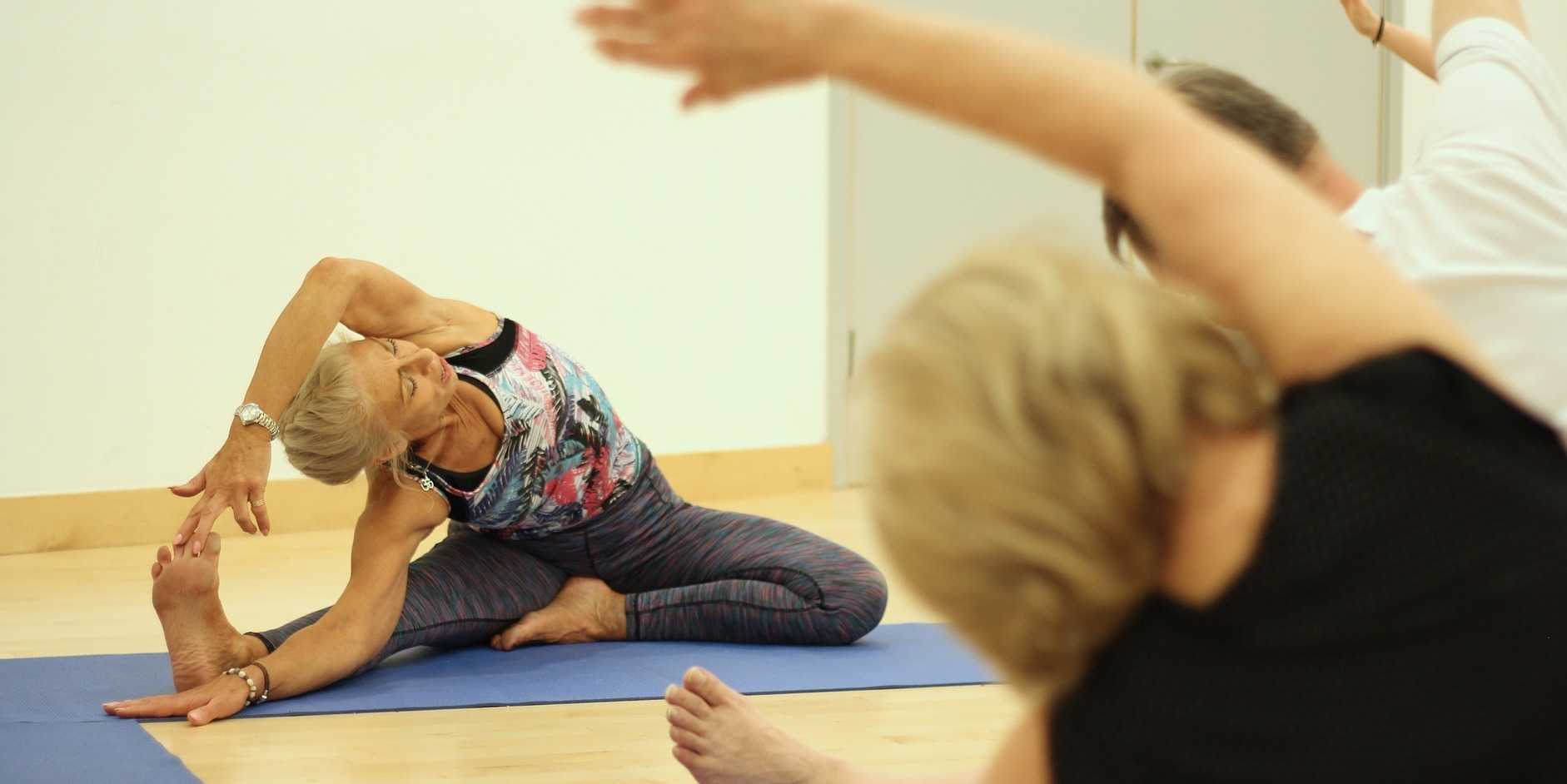
This course also introduces Yin yoga as a powerful holistic practice with Acupressure and offers an evidence-based perspective on how Yin poses within each meridian can channelize energy through neurodynamic pathways with powerful integrative applications to facilitate healing in multiple dimensions.
References
- Yang J, Do A, Mallory MJ, Wahner-Roedler DL, Chon TY, Bauer BA. Acupressure: An Effective and Feasible Alternative Treatment for Anxiety During the COVID-19 Pandemic. Glob Adv Health Med. 2021; 10:21649561211058076. Published 2021 Dec 12. doi:10.1177/21649561211058076
- Kwon CY, Lee B. Acupuncture or Acupressure on Yintang (EX-HN 3) for Anxiety: A Preliminary Review. Med Acupunct. 2018;30(2):73-79. doi:10.1089/acu.2017.1268
- Li J, Zhang K, Zhao T, et al. Acupressure for depression: A systematic review and meta-analysis. Asian J Psychiatr. 2024; 92:103884. doi: 10.1016/j.ajp.2023.103884
- He Y, Guo X, May BH, et al. Clinical Evidence for Association of Acupuncture and Acupressure with Improved Cancer Pain: A Systematic Review and Meta-Analysis. JAMA Oncol. 2020;6(2):271-278. doi:10.1001/jamaoncol.2019.5233
- Chen Y, Xiang XY, Chin KHR, et al. Acupressure for labor pain management: a systematic review and meta-analysis of randomized controlled trials. Acupunct Med. 2021;39(4):243-252. doi:10.1177/0964528420946044
- Monson E, Arney D, Benham B, et al. Beyond Pills: Acupressure Impact on Self-Rated Pain and Anxiety Scores. J Altern Complement Med. 2019;25(5):517-521. doi:10.1089/acm.2018.0422
- Alhusamiah B, Almomani J, Al Omari A, et al. The Effectiveness of P6 and Auricular Acupressure as a Complementary Therapy in Chemotherapy-Induced Nausea and Vomiting Among Patients With Cancer: Systematic Review. Integr Cancer Ther. 2024; 23:15347354241239110. doi:10.1177/15347354241239110
- Go GY, Park H. Effects of Auricular Acupressure on Women with Irritable Bowel Syndrome. Gastroenterol Nurs. 2020;43(2): E24-E34. doi:10.1097/SGA.0000000000000332
- Hasanin ME, Elsayed SH, Taha MM. Effect of Acupressure on Anxiety and Pain Levels in Primiparous Women During Normal Labor: A Randomized Controlled Trial. J Integr Complement Med. 2024;30(7):654-661. doi:10.1089/jicm.2023.0072
- Chen SR, Hou WH, Lai JN, Kwong JSW, Lin PC. Effects of Acupressure on Anxiety: A Systematic Review and Meta-Analysis. J Integr Complement Med. 2022;28(1):25-35. doi:10.1089/jicm.2020.0256
Author Bio
Rachna Mehta PT, DPT, CIMT, OCS, PRPC, RYT 200
 Rachna Mehta PT, DPT, CIMT, OCS, PRPC, RYT 200 (she/her) graduated from Columbia University New York, with a Doctor of Physical Therapy degree. Rachna has since been working in outpatient hospital and private practice settings with a dual focus on Orthopedics and Pelvic Health. She was instrumental in starting one of the first Women’s Health Programs in an outpatient orthopedic clinic setting in Mercer County, New Jersey in 2009. She has authored articles on pelvic health for many publications. She is a Certified Integrated Manual Therapist through Great Lakes Seminars, is Board-certified in Orthopedics, is a certified Pelvic Rehab Practitioner, and is also a registered yoga teacher through Yoga Alliance. Rachna has trained in both Hatha Yoga and Yin Yoga traditions and brings the essence of Yoga to her clinical practice.
Rachna currently practices in an outpatient setting. Her clinical practice has focused on an Integrative physical therapy approach blending traditional physical therapy methods with holistic practices that address the whole person - physically, mentally, emotionally, and spiritually. She specializes in working with pelvic health patients who have bowel and bladder issues with high pelvic pain, which sparked her interest in Eastern holistic healing traditions and complementary medicine. She has spent many hours training in holistic healing workshops with teachers based worldwide. She is a member of the American Physical Therapy Association and a member of APTA’s Academy of Orthopaedic Physical Therapy and the Academy of Pelvic Health Physical Therapy.
Rachna also owns TeachPhysio, a PT education and management consulting company. Her course Acupressure for Optimal Pelvic Health brings a unique evidence-based approach and explores complementary medicine as a powerful tool for holistic management of the individual as a whole, focusing on the physical, emotional, and energy body.
By accepting you will be accessing a service provided by a third-party external to https://www.hermanwallace.com/
All Upcoming Continuing Education Courses

Rehabilitative Ultrasound Imaging Pelvic Health Satellite Lab Course - Self-Hosted - April 17 - 19 2026
Apr 17 2026 - Apr 19 2026

Rehabilitative Ultrasound Imaging Pelvic Health Satellite Lab Course - Edmond OK - April 17 - 19 2026
Apr 17 2026 - Apr 19 2026

Pelvic Function Level 2B - Satellite - Bethpage NY - April 18 - 19 2026 - SOLD OUT
Apr 18 2026 - Apr 19 2026

Pelvic Function Level 1 - Satellite - Seattle WA - April 18 - 19 2026 - SOLD OUT
Apr 18 2026 - Apr 19 2026

Pelvic Function Level 1 - Satellite - Salt Lake City UT - April 18 - 19 2026 - SOLD OUT
Apr 18 2026 - Apr 19 2026

Pelvic Function Level 1 - Satellite - Newberg OR - April 18 - 19 2026 - SOLD OUT
Apr 18 2026 - Apr 19 2026

Menopause Transitions and Pelvic Rehab - Remote Course - April 18 - 19 2026
Apr 18 2026 - Apr 19 2026

Pelvic Function Level 1 - Satellite - Wichita KS - April 18 - 19 2026 - SOLD OUT
Apr 18 2026 - Apr 19 2026
Oncology of the Pelvic Floor Level 2A - Remote Course - April 18 - 19 2026
Apr 18 2026 - Apr 19 2026

Pelvic Function Level 1 - Satellite - St. Augustine FL - April 18 - 19 2026
Apr 18 2026 - Apr 19 2026

Pelvic Function Level 1 - Satellite - Minneapolis MN - April 18 - 19 2026 - SOLD OUT
Apr 18 2026 - Apr 19 2026



Pelvic Function Level 1 - Satellite - Colorado Springs CO - April 18 - 19 2026
Apr 18 2026 - Apr 19 2026









Pelvic Function Level 2B - Satellite - Nashotah WI - May 9 - 10 2026 - SOLD OUT
May 9 2026 - May 10 2026


Mobilization of the Myofascial Layer - Satellite Lab Course - Torrance CA - May 15 - 17 2026
May 15 2026 - May 17 2026
Mobilization of the Myofascial Layer - Satellite Lab Course Self-Hosted - May 15 - 17 2026
May 15 2026 - May 17 2026

Mobilization of the Myofascial Layer - Satellite Lab Course - McKinney TX - May 15 - 17 2026
May 15 2026 - May 17 2026

Mobilization of the Myofascial Layer - Satellite Lab Course - Bradenton FL - May 15 - 17 2026
May 15 2026 - May 17 2026

Mobilization of the Myofascial Layer - Satellite Lab Course - Atlanta GA - May 15 - 17 2026
May 15 2026 - May 17 2026

Pediatrics Level 2 - Adv Pediatric Bowel and Bladder Disorders - Remote Course - May 16 - 17 2026
May 16 2026 - May 17 2026


Pelvic Function Level 1 - In-Person - Bridgewater NJ - May 16 - 17 2026 - SOLD OUT
May 16 2026 - May 17 2026