Teachable Login
Newsletter Sign-up
  • Home
  • Continuing Education Courses
  • Online Courses
  • Host a Course
  • Teaching Assistants
    • Apply to be a Teaching Assistant
    • Lead Teaching Assistants
  • Products
  • Find a Practitioner
  • Resources
    • How to Become a Pelvic Floor Therapist
    • Download our Free Whitepaper
    • Free Resources
    • Sponsors
    • Pelvic Rehab ICD-10 Codes
    • Job Board
  • Blog
  • About
    • Founders and Faculty
    • Our Mission
    • Meet the Team
  • FAQ
  • Contact Us
  • Certification
    • Pelvic Rehabilitation Practitioner Certification
    • List of Certified Pelvic Rehabilitation Practitioners
Continuing Education Courses Mobilization of the Myofascial Layer: Pelvis and Lower Extremity Satellite Lab Course

Upcoming Events of this Course

string(3) "453"

Mobilization of the Myofascial Layer - Satellite Lab Course - Torrance CA - May 15 - 17 2026

May 15 2026 - May 17 2026

Mobilization of the Myofascial Layer - Satellite Lab Course Self-Hosted - May 15 - 17 2026

May 15 2026 - May 17 2026

Mobilization of the Myofascial Layer - Satellite Lab Course - McKinney TX - May 15 - 17 2026

May 15 2026 - May 17 2026

Mobilization of the Myofascial Layer: Pelvis and Lower Extremity Satellite Lab Course

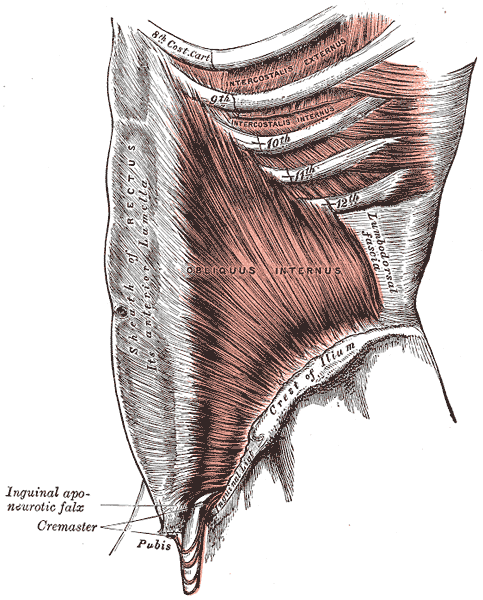
  • Gray395.png
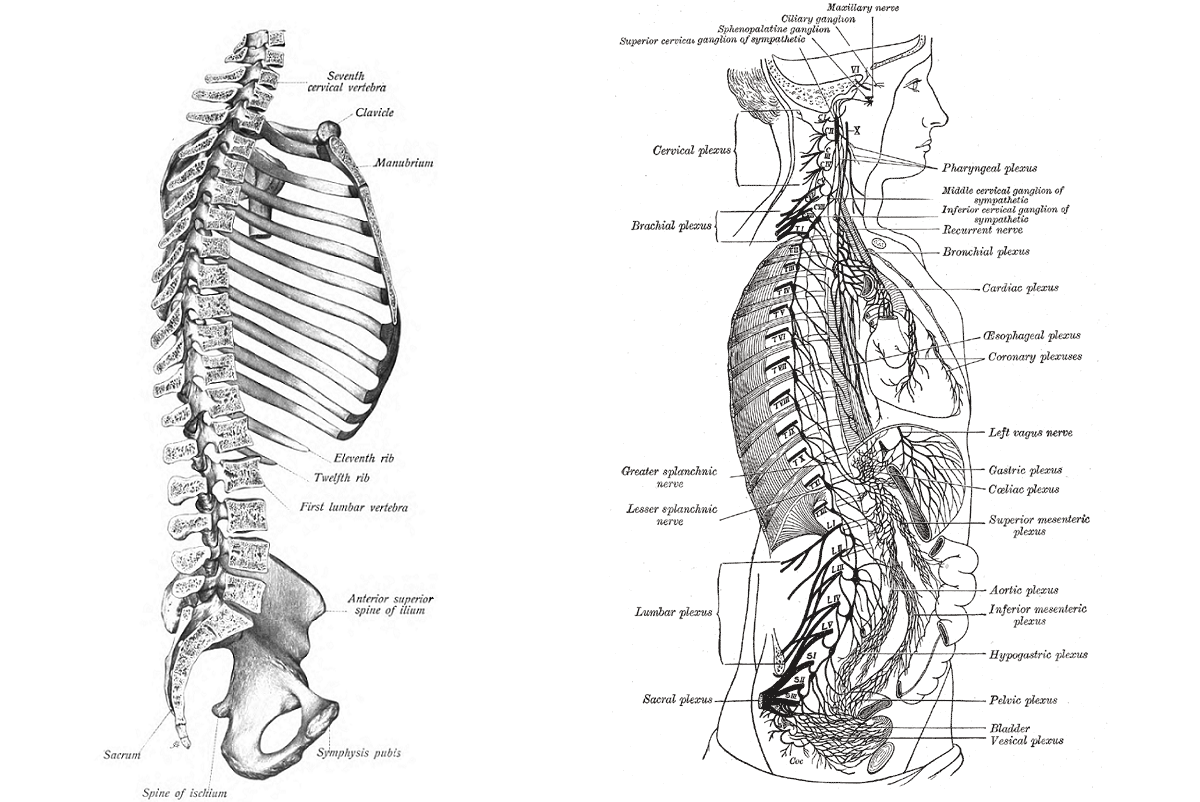
  • halfbody.png
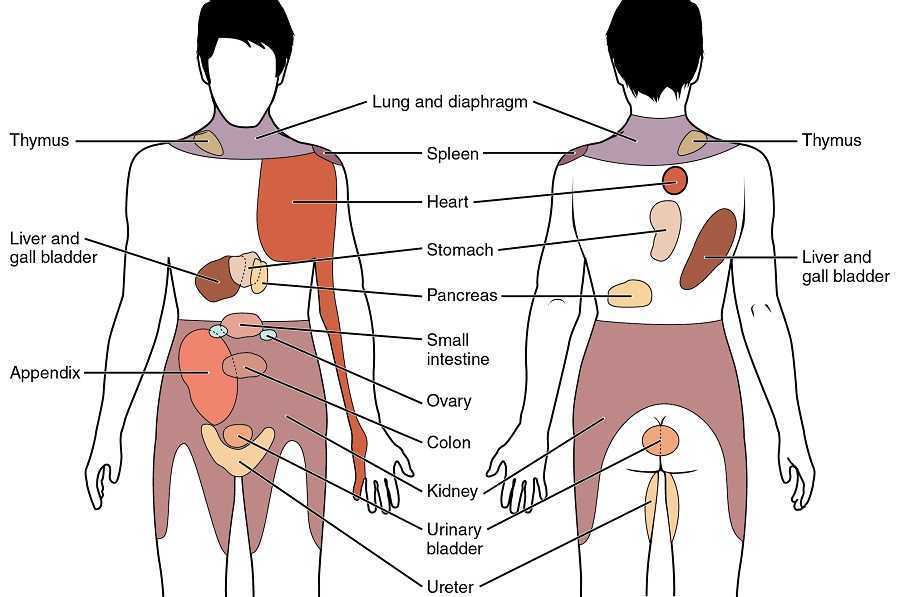
  • PainChart.jpg
  • Posterior_Hip_Muscles.PNG
  • Description

  • Objectives

  • Schedule

  • Host This Course

  • Testimonials

Price: $675
Experience Level: Intermediate
Contact Hours: 22.5

This is a satellite offering of our course, Mobilization of the Myofascial Layer course.  A satellite means that participnts will be gathering in a given location and watching the instructor present remotely on the same screen. During labs, participants will pair up and be guided by the local lab assistants at the satellite course location.The self-hosted option is for those who will be working in pairs or small groups on their own.

Fascia is the ubiquitous tissue that permeates the entire body; it supports and connects all of the other structures found within.  The “myofascial” is comprised of those layers of fascia that are associated with the locomotor system.   Application of myofascial therapy for pelvic dysfunction is well documented as an effective treatment approach.  This treatment requires a detailed knowledge of pelvic anatomy as well as palpation skills for assessment of connective tissue mobility, movement asymmetry and tissue tension abnormalities affecting the pelvis and lower extremity and their associated fascial structures

The material will include the science of and evidence behind myofascial based manual therapies with an emphasis on tissue evaluation and clinical reasoning.  Multiple approaches for the treatment of fascial dysfunction will be presented in this concepts course so the clinician can easily choose the appropriate technique depending on the tissue of each unique patient.  The goal is for the attending therapist to have a variety of skills to incorporate evidence-based myofascial treatment into an existing clinical program.

Lab activities will cover external and internal vaginal or rectal techniques, both male and female clinicians are encouraged to participate.   Fascial approaches include a variety of techniques for the abdominal wall, pelvis, hip and lower extremity to include:

-Fascial induction utilizing direct and indirect methods for muscle bellies, intraarticular and

 intraosseous structures and  multiple layers of the pelvic floor

-Positional inhibition for trigger points, internal and external

-Peripheral nerve mobilizations for pelvis and lower extremity

-Instrument-assisted soft tissue mobilization (AISTM, Gua Sha)

-Fascial decompression (Cupping)

-Introduction of rehabilitative ultrasound imaging to measure tissue changes

The goal of this course is to provide the clinician who is treating women and men with pelvic dysfunction immediate access to a variety of approaches to the myofascial system. Throughout the course, clinical reasoning and application will be addressed with emphasis on various presentations of frequently seen in patients with primary or secondary pelvic dysfunction.


Prerequisites
Pelvic Floor Level 1 through Herman & Wallace or prior seminar instruction in internal pelvic floor vaginal muscle examinations

Pre-Course Learning Requirements
10-14 days before the course, participants will receive an invite to join Teachable, an online learning platform. In Teachable, registrants will find video lectures, other pre-course learning materials, course manual files, mandatory liability waiver, and URLs for any Zoom meetings. We require registrants to complete teachable components in sequential order. Videos lectures are required and must be completed in-full before proceeding to the next Teachable section. At the conclusion of the course, registrants can access their post-test and course evaluation form to provide our curriculum team feedback on their experience, as well as download their certificate of completion - all via Teachable.

Audience
This continuing education seminar is targeted to physical therapists, occupational therapists, physical therapist assistants, occupational therapist assistants, registered nurses, nurse midwives, and other rehabilitation professionals. Content is not intended for use outside the scope of the learner's license or regulation. Physical therapy continuing education courses should not be taken by individuals who are not licensed or otherwise regulated, except, as they are involved in a specific plan of care.

Special Considerations
As this course includes extensive lab work, all course attendees should come prepared to participate as both clinician and patient. Vaginal and rectal pelvic floor muscle techniques will be taught in labs. Pregnant women course attendees may participate in a limited capacity and we strongly recommend that pregnant attendees bring a model as vaginal examination and internal myofascial manual therapy prior to 32 weeks gestation is not the common standard of medical practice.

Seminar content is targeted to physical therapists. Content is not intended for use outside the scope of the learner's license or regulation. Clinical continuing education should not be taken by individuals who are not licensed or otherwise regulated, except, as they are involved in a specific plan of care.

Required Readings
Review the anatomy of the pelvis and perineum

Upon completion of this continuing education seminar, participants will be able to:

1. Identify the four layers of the fascial system and how they interrelate
2. Describe the theory and application of osteopathic principles to include myofascial induction technique with respect to its neurophysiologic effect
3. Perform, selective tissue tension testing, osseous and articular spring testing and recognize abnormal connective tissue mobility
4. Differentiate between direct and indirect mobilization techniques and understand the proper application of each
5. Cite potential causes for the development of local restrictions in the fascial system and the role that somatic convergence plays in the perpetuation of pain states
6. Apply the technique of three-dimensional myofascial induction; utilizing external body and internal vaginal/rectal approaches for myofascial structures throughout the trunk, pelvis, and lower extremity as it relates to pelvic dysfunction
7. Describe the difference between ARTS and STAR for treatment paradigms plus the application of positional inhibition technique for the treatment of exquisite trigger points
8. Identify the anatomy of the neurologic connective tissue and application of peripheral nerve mobilization
9. Differentiate treatment applications for fascial structures to include fascial induction, fascial decompression, and use of instrument-assisted soft tissue mobilization (IASTM)
10. Implement myofascial mobilization techniques into a comprehensive treatment program for the patient with varied diagnoses of the lumbar, pelvic, and hip region as they relate to pelvic health physical therapy


NOTE: Times below are listed in Pacific time zone
For assistance converting the times below to your local time zone, use this link:
https://www.timeanddate.com/worldclock/converter-classic.html

=============================
Before Day One
=============================

These video lectures in Teachable must be viewed in-full prior to the course
Total video lecture time: 2.25 hours

1) Concepts of Visceral Mobilization (1hr 22min)
2) Myofascial Treatment (54 min)

=============================
Day One
=============================

12:30 pm PST - Zoom opens 30 mins before course for registration and setup
1:00 pm PST - Course begins / Introductions
1:30 - Review of recorded lectures and questions (Concepts of Myofascial Mobilization, Evaluation and Mobility Testing)
2:30 - Lab I: Mobility Testing
3:30 - Lecture: Review of Myofascial Induction Techniques
4:00 - Lab II: Myofascial Induction techniques (A-P Fascial stacking, superficial fascia, muscle bellies, articular fascia)
5:15 - Adjourn

=============================
Day Two
=============================

7:30 am PST - Zoom opens 30 mins before course for registration and setup
8:00 am PST - Course begins / Lecture: Bony Pelvis
9:00 - Lab III: Techniques for bony pelvis (Inominate, ischiopubic ramus, pubic tubercle, pubic symphysis)
10:15 - Lab IV: Techniques for the bony pelvis (Ilial rotation, ilial decompression, sacrum/SI joint)
11:30 - Lecture: Hip and Lower Extremity
12:15 - Lunch
1:15 - Lab V: Techniques for the lower extremity (Hip screen, hip capsule, interosseous membrane, talo-crural joint, thigh muscles)
2:30 - Lecture: Peripheral Nerves
3:15 - Lab VI: Peripheral Nerves Demo and Lab (Lumbar plexus, obturator nerve, iliohypogastric nerve, sciatic nerve, pudendal nerve)
4:30 - Lecture: Anterior and posterior pelvic floor
5:30 - Adjourn

=============================
Day Three
=============================

7:30 am PST - Zoom opens 30 mins before course for registration and setup
8:00 am PST - Course begins / Questions from Day 2
8:30 - Lab VII: Techniques for anterior pelvic floor (UG diaphragm, PIT transverse perineal muscles, bimanual levator ani, obturator foramen, PIT obturator internus, perineal body)
9:45 - Lab VIII: Techniques for posterior pelvic floor (Ischiorectal fossa, vaginal approach to coccyx, posterior pelvic floor, Alcock’s canal PIT puborectalis)
11:30 - Lecture & Brunch: Adjunctive fascial mobilization technique
12:30 - Lab IX: IASTM technique for trunk and lower extremity
1:45 - Lab X: Fascial decompression (Cupping)
3:00 - Case presentations and questions
3:30 - Adjourn

We always want to hear from those interested in hosting our courses. We work with healthcare organizations of all types, sizes, and locations. Please, Contact us about Hosting Mobilization of the Myofascial Layer: Pelvis and Lower Extremity Satellite Lab Course or any other course!

"She is very knowledgeable and excited about the information. This is a large-scale concept that she made very easily applicable to many different body areas. It was very evidence-based and comfortable techniques that she made easily applicable in the clinic."
Chelsea Sweetman, PT, DPT | Mobilization of the Myofascial Layer - Self-Hosted - February 2-4 2024

List of articles in category Mobilization of the Myofascial Layer: Pelvis and Lower Extremity Satellite Lab Course
Title
Mobilization of the Myofascial Layer - Satellite Lab Course - McKinney TX - May 15 - 17 2026
Mobilization of the Myofascial Layer - Satellite Lab Course Self-Hosted - May 15 - 17 2026
Mobilization of the Myofascial Layer - Satellite Lab Course - Torrance CA - May 15 - 17 2026

Herman & Wallace | Pelvic Rehabilitation Institute
Terms & Conditions that apply to all Continuing Education Courses

©2025 Herman & Wallace | All Rights Reserved
Privacy and Cookie Policy