
Elevating SI Joint Rehabilitation

The sacroiliac joint (SIJ) has long been a focus of debate within musculoskeletal rehabilitation. Traditionally, clinicians were taught to view the SIJ as an isolated structure. A structure that could become “out of alignment” or “stuck,” requiring manual correction. However, emerging evidence challenges this perspective, suggesting that the SIJ functions as a dynamic part of the larger kinetic chain rather than an independent pain generator. As research continues to evolve, clinicians are being called to adopt a more contemporary, evidence-based pain science model that recognizes the interdependence of the SIJ, spine, hips, and lower limbs.
The SIJ plays a critical role in load transfer between the spine and lower extremities. As Vleeming et al. (2012) describe, effective force transmission across the pelvis depends on the coordinated function of surrounding musculature and connective tissues, rather than the mobility of the SIJ itself. This understanding aligns with the concept of regional interdependence, which proposes that impairments in one region, such as the hips, lumbar spine, or even the feet, can contribute to dysfunction elsewhere. When considering SIJ pain, clinicians should therefore assess not only the joint itself but also how altered movement patterns in the kinetic chain may influence pelvic mechanics.
Recent research supports this integrated approach. Abdollahi et al. (2023) found that athletes with SIJ pain or dysfunction had a significantly higher prevalence of prior lower-limb and pelvic-girdle injuries, emphasizing the relationship between distal mechanics and pelvic load transfer. Similarly, Yan et al. (2024) demonstrated that combining core stability exercises with manual therapy improved outcomes for patients with SIJ dysfunction, reinforcing the need for both regional mobility and neuromuscular control. Meanwhile, a 2023 systematic review by Liu et al. concluded that no single isolated intervention showed clear superiority for SIJ pain, further highlighting the importance of multimodal, functional rehabilitation approaches.
The contemporary pain science model departs from outdated narratives that emphasize positional faults or misalignments. Instead, it promotes a systems-based view of the SIJ that values load management, motor control, and functional reintegration. Clinicians adopting this paradigm focus on restoring the body’s natural ability to transfer and absorb forces efficiently, rather than attempting to “realign” a joint that exhibits minimal movement. This shift reflects a broader professional evolution: moving from structure-based explanations toward a biopsychosocial understanding of pain that integrates mechanical, neurological, and contextual factors.
For rehabilitation specialists, applying the kinetic-chain model in clinical practice begins with a comprehensive assessment strategy. This includes provocative tests for SIJ involvement, movement analysis of the hips and lumbar spine, and screening for contributing factors such as limited ankle mobility or impaired gluteal activation. Treatment then flows logically from these findings by addressing the specific impairments that disrupt load transfer. For example, a clinician might improve hip mobility and gluteal strength to enhance pelvic stability, or restore ankle dorsiflexion to reduce compensatory shear forces through the SIJ. Motor control retraining, particularly of the transversus abdominis, multifidus, and pelvic floor, completes the continuum of care.
Clinicians interested in refining their SIJ evaluation and treatment skills can gain hands-on guidance in Sacroiliac Joint Current Concepts, a half-day course offered on November 8, taught by former NHL physical therapist and athletic trainer Steve Dischiavi, PT, PhD, DPT, MPT, SCS, ATC, COMT. This course provides a succinct, evidence-informed framework for SIJ assessment and intervention. Participants will explore why shifting away from an outdated mechanical narrative aligns better with contemporary pain science and how this transition can elevate clinical reasoning and patient outcomes. The course features a full, easy-to-follow exam sequence and corresponding treatment strategies, ensuring that attendees leave with practical tools they can implement immediately in the clinic.
As the evidence continues to grow, one theme remains clear: the SIJ cannot be understood, or treated, in isolation. A modern, kinetic-chain approach recognizes the interrelationship of structure, movement, and neuromuscular control across the pelvis and lower body. By embracing this integrative model, clinicians not only enhance their diagnostic precision but also improve their ability to deliver meaningful, functional outcomes for patients.
Join us on November 8 for Sacroiliac Joint Current Concepts and take the next step toward mastering a contemporary, evidence-based approach to SIJ rehabilitation.
Resources
- Abdollahi, S., Sheikhhoseini, R., Rahimi, M. et al.The sacroiliac dysfunction and pain is associated with history of lower extremity sport related injuries. BMC Sports Sci Med Rehabil 15, 36 (2023). https://doi.org/10.1186/s13102-023-00648-w
- Liu, Y., Suvithayasiri, S., & Kim, J.-S. (2023). Comparative efficacy of clinical interventions for sacroiliac joint pain: Systematic review and network meta-analysis with preliminary design of treatment algorithm. Neurospine, 20(3), 997–1010. https://doi.org/10.14245/ns.2346586.293
- Vleeming, A., Schuenke, M. D., Masi, A. T., Carreiro, J. E., Danneels, L., & Willard, F. H. (2012). The sacroiliac joint: An overview of its anatomy, function and potential clinical implications. Journal of Anatomy, 221(6), 537-567. https://doi.org/10.1111/j.1469-7580.2012.01564.
- Yan, H., Zhao, P., Guo, X., & Zhou, X. (2024). The effects of Core Stability Exercises and Mulligan’s mobilization with movement techniques on sacroiliac joint dysfunction. Frontiers in Physiology, 15, 1337754. https://doi.org/10.3389/fphys.2024.1337754
By accepting you will be accessing a service provided by a third-party external to https://www.hermanwallace.com/
All Upcoming Continuing Education Courses

Pelvic Function Level 1 - Satellite - Torrance CA - January 10 - 11 2026 - SOLD OUT
Jan 10 2026 - Jan 11 2026

Oncology of the Pelvic Floor Level 1 - Remote Course - January 10 - 11 2026
Jan 10 2026 - Jan 11 2026

Pelvic Function Level 1 - Satellite - Albany NY - January 10 - 11 2026 - SOLD OUT
Jan 10 2026 - Jan 11 2026
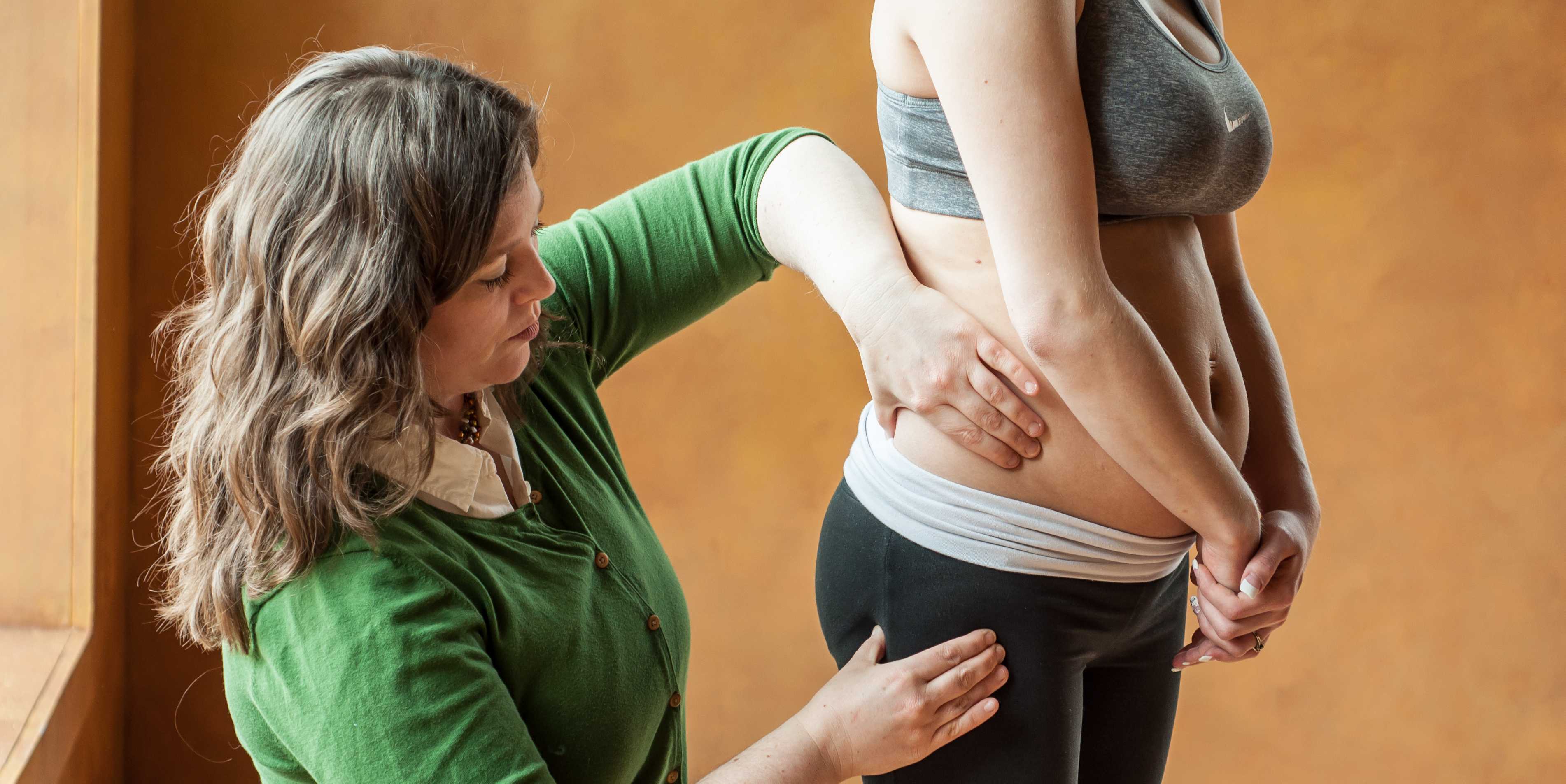

Pelvic Function Level 1 - Satellite - Santa Cruz CA - January 10 - 11 2026
Jan 10 2026 - Jan 11 2026

Pelvic Function Level 1 - Satellite - Huntsville AL - January 10 - 11 2026
Jan 10 2026 - Jan 11 2026



Menopause Transitions and Pelvic Rehab - Remote Course - January 17 - 18 2026
Jan 17 2026 - Jan 18 2026

Pelvic Function Level 1 - Satellite - Bethpage NY - January 24 - 25 2026- SOLD OUT
Jan 24 2026 - Jan 25 2026

Pelvic Function Level 2B - Satellite - Port St. Lucie FL - January 24 - 25 2026
Jan 24 2026 - Jan 25 2026

Pelvic Function Level 2B - Satellite - Indianapolis IN - January 24 - 25 2026
Jan 24 2026 - Jan 25 2026


Pelvic Function Level 2B - Satellite - St. Augustine FL - January 24 - 25 2026
Jan 24 2026 - Jan 25 2026




Pelvic Function Level 1 - Satellite - Bradenton FL - January 24 - 25 2026 - SOLD OUT
Jan 24 2026 - Jan 25 2026

Pelvic Function Level 1 - Satellite - New York NY - January 24 - 25 2026 - SOLD OUT
Jan 24 2026 - Jan 25 2026


Pelvic Function Level 1 - Satellite - Los Angeles CA - January 24 - 25 2026
Jan 24 2026 - Jan 25 2026

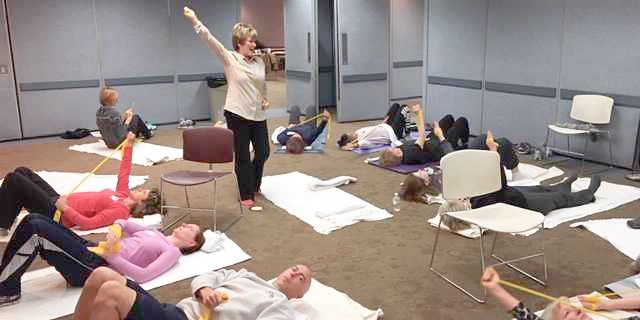



Pelvic Function Level 1 - In-Person - Columbus OH - January 31 - February 1 2026
Jan 31 2026 - Feb 1 2026

Pelvic Function Level 2C - Satellite - Boston MA - January 31 - February 1 2026
Jan 31 2026 - Feb 1 2026

Pelvic Function Level 2C - Satellite - Omaha NE - January 31 - February 1 2026
Jan 31 2026 - Feb 1 2026
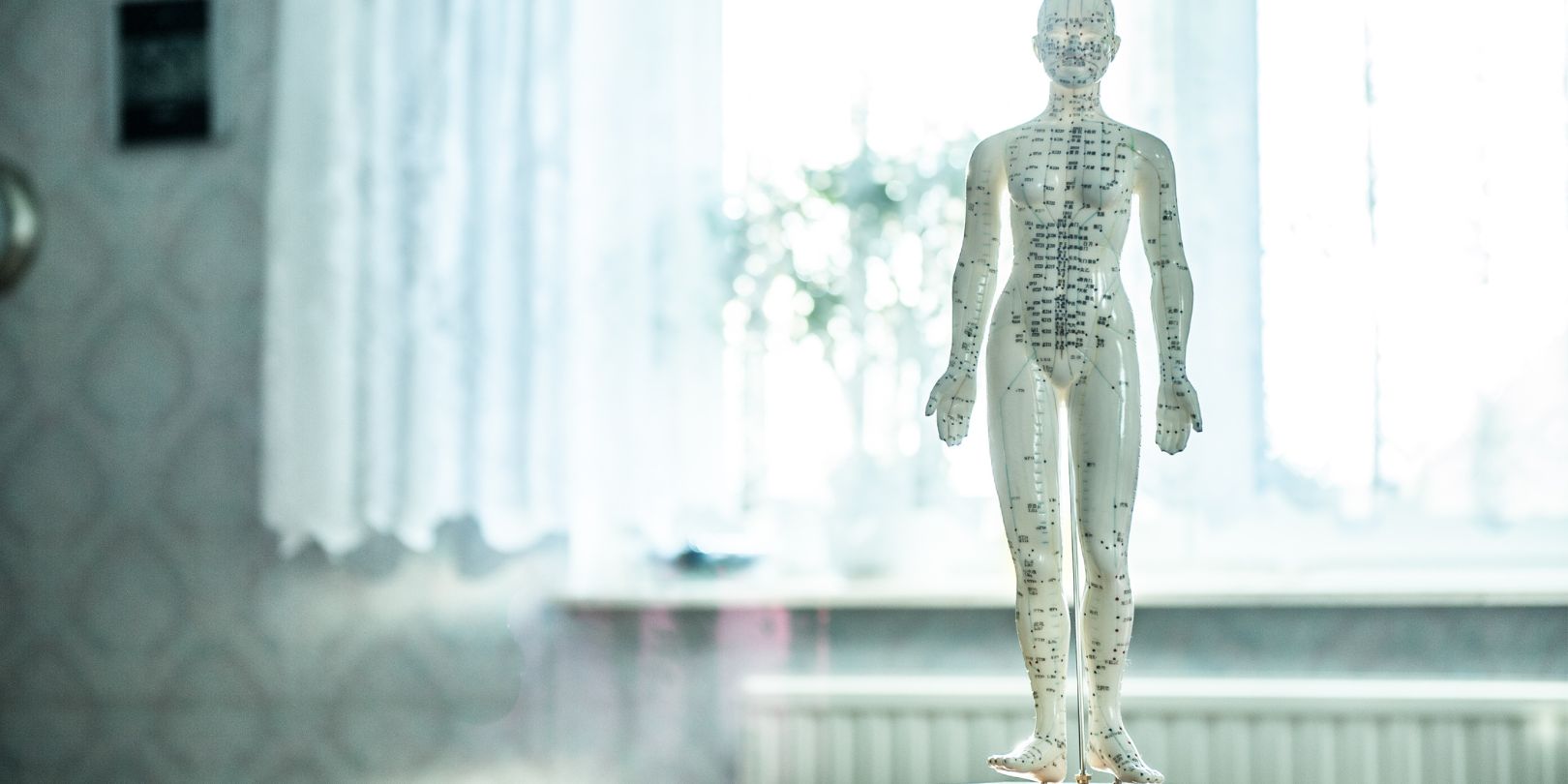

Pelvic Function Level 1 - Satellite - Fairfax VA - February 7 - 8 2026 - SOLD OUT
Feb 7 2026 - Feb 8 2026

Pelvic Function Level 1 - Satellite - Queens NY - February 7 - 8 2026 - SOLD OUT
Feb 7 2026 - Feb 8 2026




Pelvic Function Level 1 - Satellite - Greenwich Village NY - February 7 - 8 2026 - SOLD OUT
Feb 7 2026 - Feb 8 2026



Pelvic Function Level 2B - Satellite - Galloway NJ - February 14 - 15 2026
Feb 14 2026 - Feb 15 2026