
Anorectal Balloon Catheter Training

Anorectal Balloon Catheter Training

balloon catheter smaller

Anorectal balloon catheter training is one of the most underrated but helpful treatments for people with pelvic floor symptoms related to bowel dysfunction. This is a tool that many clinicians don’t know about or are afraid to initiate with their clients. Clinicians wonder if clients will be receptive, how to use an anorectal balloon catheter efficiently, and frequently wonder what cases are appropriate for this specific modality. Anorectal balloon catheter training is a versatile treatment helping patients with pelvic floor conditions that stem from hyposensitivity or hypersensitivity in the rectal canal.

Rehab clinicians can use anorectal balloon catheters to help with defecation training, anorectal sensory training, coordination training, and resistance training that can improve symptoms for individuals with fecal incontinence, fecal urgency, and chronic constipation as well as other colorectal diagnoses. This modality can be used to improve the coordination between the pelvic floor muscles and the abdominal muscles to assist in defecation training. It also can help a patient learn what the urge to have a bowel movement should feel like, especially if they have altered sensation in the anal canal. 

An anorectal balloon is a form of biofeedback to use with pelvic floor patients. During treatment, an anorectal balloon is placed in the rectal canal. The balloon can hold 400 mL but filling volumes are typically much lower. The balloon is then filled with air and the amount of air is altered in order to help retrain sensation in the anorectal area. Before implementing this treatment technique in a patient’s plan of care, there are a few steps a rehabilitation provider should take.

First, patients should be screened to make sure they are good candidates for this treatment. This includes internal muscle assessment of the rectal canal prior to implementing training. Detailed patient education on the purpose and procedure of training with an anorectal balloon catheter should be provided. Patients may have some experience with anorectal manometry and may need their therapist to differentiate how manometry testing is for assessment purposes, but balloon training is a biofeedback tool. 

Once this treatment is decided upon, the therapist will begin by getting some baseline measurements. These include the first feeling of sensation of the balloon filling, the first urge to defecate, and then their maximum tolerance. These baselines give a provider information on how to proceed with treatment. It is helpful to have norms readily available to be able to compare your patient’s readings to. Caution should be taken when working with patients who have had lower bowel surgeries and pediatric patients, avoiding maximum values beyond a certain value.

With proper consideration of the baseline measurements of sensation levels, a treatment plan can be developed with the use of anorectal balloon training to improve sensation and awareness in the anorectal area. Sensation is trained via inflations and deflations of the balloon to assist in feedback to allow the patient to recognize what normal range values feel like.

Anorectal Balloon Catheters - Intro and Practical Application is a mini-course offered by Herman & Wallace to help providers feel comfortable screening patients for their eligibility for this intervention. The course will assist in helping practitioners to feel confident in providing this treatment with appropriate patients. This class is built with treatment in mind, and intended for therapists who have some exposure to the concept of anorectal assessment and treatment but want to learn more ways to apply this technique to their clients. This class includes didactic information and hands-on lab practice in the privacy of participant’s own space, to help bring this skill to their clinical practice. The next offering of this course is:

https://hermanwallace.com/continuing-education-courses/anorectal-balloon-catheters/

Continue reading

Understanding Rectal Sensation Testing Norms

Understanding Rectal Sensation Testing Norms

Blog RBC 11.7.25

Rectal sensation testing is a fundamental component in the evaluation of anorectal function, particularly in patients with constipation, fecal incontinence, and other defecatory disorders. For pelvic rehabilitation practitioners, a thorough understanding of rectal sensory thresholds and the appropriate use of rectal balloon catheters is essential for accurate assessment and effective intervention.

What Is Rectal Sensation Testing?
Rectal sensation testing assesses a patient’s ability to perceive rectal distension at incremental volumes. This procedure is typically performed using a rectal balloon catheter during anorectal manometry or as a stand-alone test. The method allows for quantification of rectal sensory function and compliance, both of which are key elements in normal defecation mechanics.

The key sensory thresholds measured include:

  • First Sensation: The initial perception of rectal filling.
  • Desire to Defecate: The volume at which the patient feels the urge to evacuate.
  • Maximum Tolerable Volume (MTV): The largest volume the patient can tolerate without discomfort.

These parameters provide insight into the sensitivity and distensibility of the rectal wall, guiding clinicians in differentiating between various types of anorectal dysfunction.

Normative Values and Clinical Significance
Recent studies have provided reference values for rectal sensory thresholds in healthy populations. For example, Grando et al. (2024) reported a mean maximum tolerable volume of approximately 150 mL with a standard deviation of 30 mL in healthy subjects. Deviations from these norms may indicate abnormal sensory processing. Elevated thresholds can be indicative of rectal hyposensitivity, commonly associated with functional constipation, whereas reduced thresholds may reflect rectal hypersensitivity, which is often observed in patients with fecal incontinence (Jiang et al., 2023).

Understanding these normative values enables clinicians to identify sensory alterations contributing to disordered defecation and to develop targeted rehabilitation plans.

Clinical Application of Rectal Balloon Catheters
Rectal balloon catheters serve as both diagnostic and therapeutic instruments in pelvic rehabilitation. In the diagnostic context, they facilitate precise measurement of rectal sensory thresholds and compliance. Therapeutically, balloon catheters are used in rectal balloon retraining or sensory biofeedback programs, which aim to improve rectal awareness, enhance coordination of pelvic floor musculature, and promote normalization of rectal compliance.

Incorporating rectal balloon techniques into practice allows clinicians to:

  • Differentiate Disorders: Identifying whether symptoms are due to hyposensitivity or hypersensitivity.
  • Personalize Interventions: Designing biofeedback or neuromodulation therapies based on individual sensory profiles.
  • Monitor Progress: Tracking changes in sensory thresholds over time to assess treatment efficacy.

Advancing Clinical Competency
To further develop competence in this area, practitioners are encouraged to participate in the upcoming course, Anorectal Balloon Catheters: Introduction and Practical Application, scheduled for December 7, 2025. This course provides comprehensive instruction in the use of rectal balloon catheters for assessment and treatment, including practical demonstrations and case-based learning.

Expanding proficiency in rectal sensation testing and rectal balloon catheter application enhances the clinician’s ability to evaluate anorectal function accurately, design individualized rehabilitation programs, and optimize patient outcomes.


References

    1. Grando, L. M., Halfvarson, J., & van Nieuwenhoven, M. (2024). Rectal Sensory and Compliance Testing: A Method Comparison Study between High-Resolution Anorectal Manometry and Barostat Investigations. Diagnostics, 14(4), 351. https://doi.org/10.3390/diagnostics14040351
    2. Jiang, Y., et al. (2023). Clinical significance and related factors of rectal sensory thresholds in patients with functional defecation disorders. Frontiers in Medicine. https://doi.org/10.3389/fmed.2023.1119617
    3. Xiao, C. F., et al. (2024). Influence of the examination position and distension medium on rectal sensory testing in patients with functional constipation. Diagnostics. https://doi.org/10.3390/diagnostics14040351
Continue reading

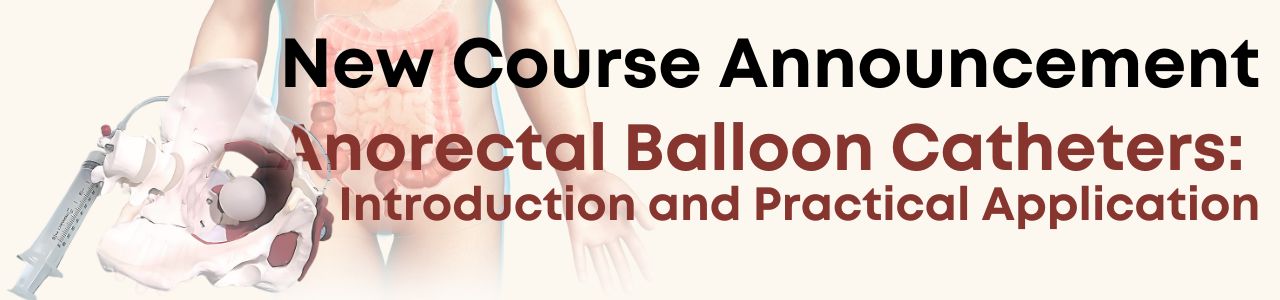
New Course Announcement - Anorectal Balloon Catheters: Introduction and Practical Application

New Course Announcement - Anorectal Balloon Catheters: Introduction and Practical Application

Blog RBC. 10.24.24

At Herman & Wallace, we’re committed to providing practitioners with the knowledge and skills they need to offer the best care possible. We’ve heard your feedback regarding the lack of familiarity with rectal balloon catheters, and we’re excited to announce a new remote course: Anorectal Balloon Catheters: Introduction and Practical Application.

Course Overview
This short but comprehensive course offers 5.5 contact hours dedicated to the essential aspects of using rectal balloon catheters in treating patients experiencing defecatory dysfunction. It is designed for those who have completed Pelvic Function Level 1.

While this course will be conducted remotely, participants are required to register with another clinician to facilitate hands-on lab practice.

Learning Objectives
Participants will explore a range of topics, including:

  • Understanding Anatomy and Physiology: Gain insights into the relevant anatomy and pathophysiology associated with defecatory conditions.
  • Assessment Techniques: Learn how to assess sensation in the anal canal related to defecation using balloon catheters.
  • Treatment Planning: Develop appropriate treatment plans for patients with hypersensitivity and hyposensitivity affecting defecation.
  • Indications and Contraindications: Understand when balloon training is appropriate and explore in-depth treatment guidelines.
  • Data Interpretation: Learn how to interpret assessment data gathered during balloon catheter evaluations and formulate effective treatment strategies.

Join Us
Anorectal Balloon Catheters: Introduction and Practical Application is perfect for practitioners eager to enhance their skill set in managing defecatory dysfunction through advanced techniques. We invite you to join senior faculty Allison Arial on December 14th for this enriching educational opportunity.

Don’t miss the chance to expand your expertise and improve your clinical practice. Register now and be part of a course designed to elevate the standard of care for your patients!

Continue reading

All Upcoming Continuing Education Courses