
I recently evaluated a 75 y.o patient who presented with significant urinary urgency and frequency, voiding approximately every hour. She reported disrupted sleep due to nocturia, stating, “I can’t sleep at night because I keep getting up to go to the bathroom. They gave me medication to help me sleep, but it doesn’t work.”
Over the course of the visit, it became clear that she was also experiencing chronic anxiety. Anxiety permeated multiple aspects of her daily life, she worried about day-to-day events as well as events in the future. She reported that her urinary symptoms worsened during periods of heightened anxiety, and she had difficulty relaxing both her body and mind.
My initial clinical focus was nervous system regulation. I guided her to sit back comfortably and take several gentle breaths, emphasizing a prolonged exhalation with an audible sigh. She was instructed to consciously release tension throughout her body while maintaining attention on her breath. After only a few breaths, she smiled and reported that she already felt calmer.
In addition to a home program that included diaphragmatic breathing, self–abdominal massage, and pelvic girdle mobility exercises, I introduced two Acupressure points for nervous system self-regulation: Conception Vessel 17 (CV17) and Yintang (EX-HN 3).
CV17, located at the center of the chest, is traditionally associated with emotional regulation and calming of the heart-mind connection. Yintang, located between the eyebrows, is described in Traditional Chinese Medicine (TCM) as having a mentally stabilizing and calming effect.¹
At her subsequent visit, the patient reported feeling calmer overall and noted that she was able to use the Acupressure points independently to regulate her anxiety. Over the course of several visits, an integrative plan addressing hip mobility, bladder training, behavioral modification and nervous system regulation resulted in measurable improvement. Her daytime voiding interval increased to approximately 2.5 hours, and nocturnal voiding frequency also decreased.
Acupressure as an Evidence-Informed Integrative practice
Acupressure, rooted in Traditional Chinese Medicine, is increasingly recognized as an evidence-informed, integrative, and trauma-informed intervention. Integrative health and medicine approaches intentionally combine conventional physical therapy interventions with holistic strategies that address the whole person - physically, mentally, emotionally, and spiritually (Justice et al).
The use of Acupressure for anxiety is well established in integrative medicine. Acupoints such as Yin Tang (EX-HN3), Shenmen (HT7), Neiguan (P6), Hegu (LI4), Taichong (LV3), Jianjing (GB21), Zu San Li (ST36) and Sanyinjiao (SP6) are some of the most frequently used points to treat anxiety2. Yintang (EX-HN 3), in particular, has demonstrated anxiolytic effects and has also been associated with improvements in depressive symptoms.³
Beyond mental health applications, Acupressure has also been used as an effective non-pharmacological therapy for the management of a host of conditions such as insomnia, chronic pelvic pain, dysmenorrhea, infertility, constipation, digestive disorders and urinary dysfunctions. Emerging research suggests that Acupressure influences neural networks across multiple systems, supporting emotional regulation and multisystem healing
Physiologically, Acupressure has been shown to improve heart rate variability and reduce sympathetic nervous system activity. This downregulation is associated with decreased release of stress hormones such as epinephrine and cortisol, facilitating the relaxation response and correlating with reductions in anxiety and pain.
Why Acupressure Matters in Pelvic Health Rehabilitation
The pelvic floor is highly responsive to stress, anxiety, and unresolved trauma, often demonstrating increased tone or guarding in response to perceived threat. This can contribute to pelvic pain, urinary dysfunction, dyspareunia, constipation, and other pelvic health conditions.
These presentations are not purely musculoskeletal, they frequently reflect underlying nervous system dysregulation. Incorporating Acupressure into pelvic health rehabilitation can meaningfully support patients by:
· Calming hyperactive pelvic and autonomic nerves
· Improving circulation and tissue mobility in the pelvic region
· Releasing stored muscular tension and trauma
· Supporting emotional grounding, safety, and resilience
Acupressure can be particularly beneficial during or after pregnancy, childbirth, surgery, or emotionally traumatic experiences, offering a gentle, patient-empowering approach to healing.
Acupressure as a Hands-On Self-Regulation Tool
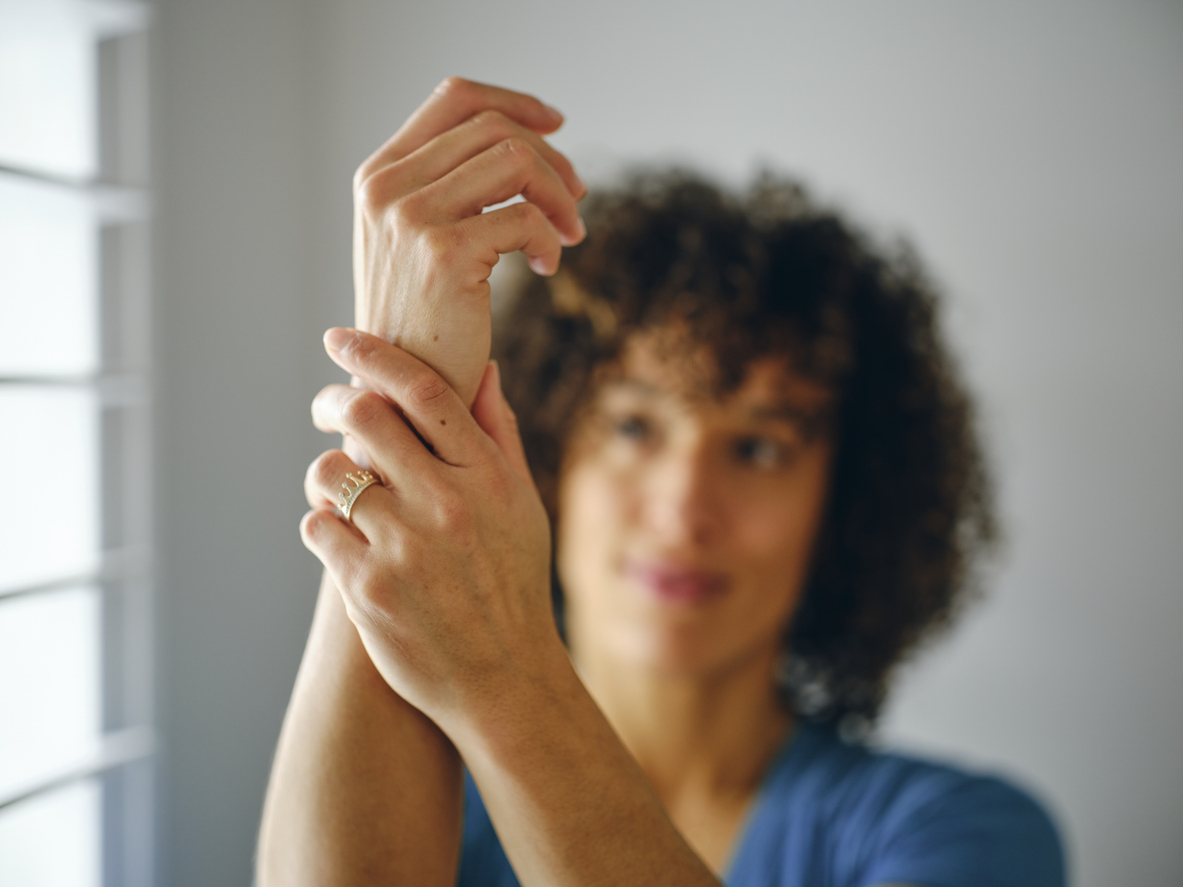
Acupressure involves the application of gentle, intentional pressure to specific points along the body’s meridian system. These points correspond with key organ systems, including the nervous, digestive, and reproductive systems and can influence both physical and emotional health.
Clinical benefits of acupressure include:
· Vagal nerve modulation and stress reduction
· Decreased muscle tension and chronic pain
· Enhanced emotional regulation and trauma support
· Promotion of relaxation and improved sleep
Integrating acupressure into pelvic health physical therapy supports whole-person healing, restoring not only movement and function, but also a sense of safety, stability, and emotional balance.
Commonly Used Acupressure Points for Anxiety, Pain, and Pelvic Health
· CV 17 (Conception Vessel 17) – Located at the center of the chest Main point for Emotional healing
· Yintang (EX-HN 3) – Located between the eyebrows Mentally stabilizing effect, calming point
· H 7 ( Heart 7) – Located on the ulnar side of the hand, in the joint space) Helps with Insomnia, reduces anxiety
· P 6 (Pericardium 6) – Inner forearm Calms the heart, reduces anxiety and nausea
· Sp 6 (Spleen 6) – Above the inner ankle Regulates reproductive health
· CV 6 (Conception Vessel) – Below the navel Supports core energy, fatigue and abdominal tension
These points can be gently stimulated during therapy or taught as part of a home program, offering patients the tools for emotional self-regulation. To explore these concepts further, please join us for the upcoming remote course Acupressure for Optimal Pelvic Health scheduled for Feb 7th & 8th . This course introduces participants to foundational principles of Traditional Chinese Medicine, Acupuncture, and Acupressure, with a focused exploration of the Bladder, Kidney, Stomach, and Spleen meridians.
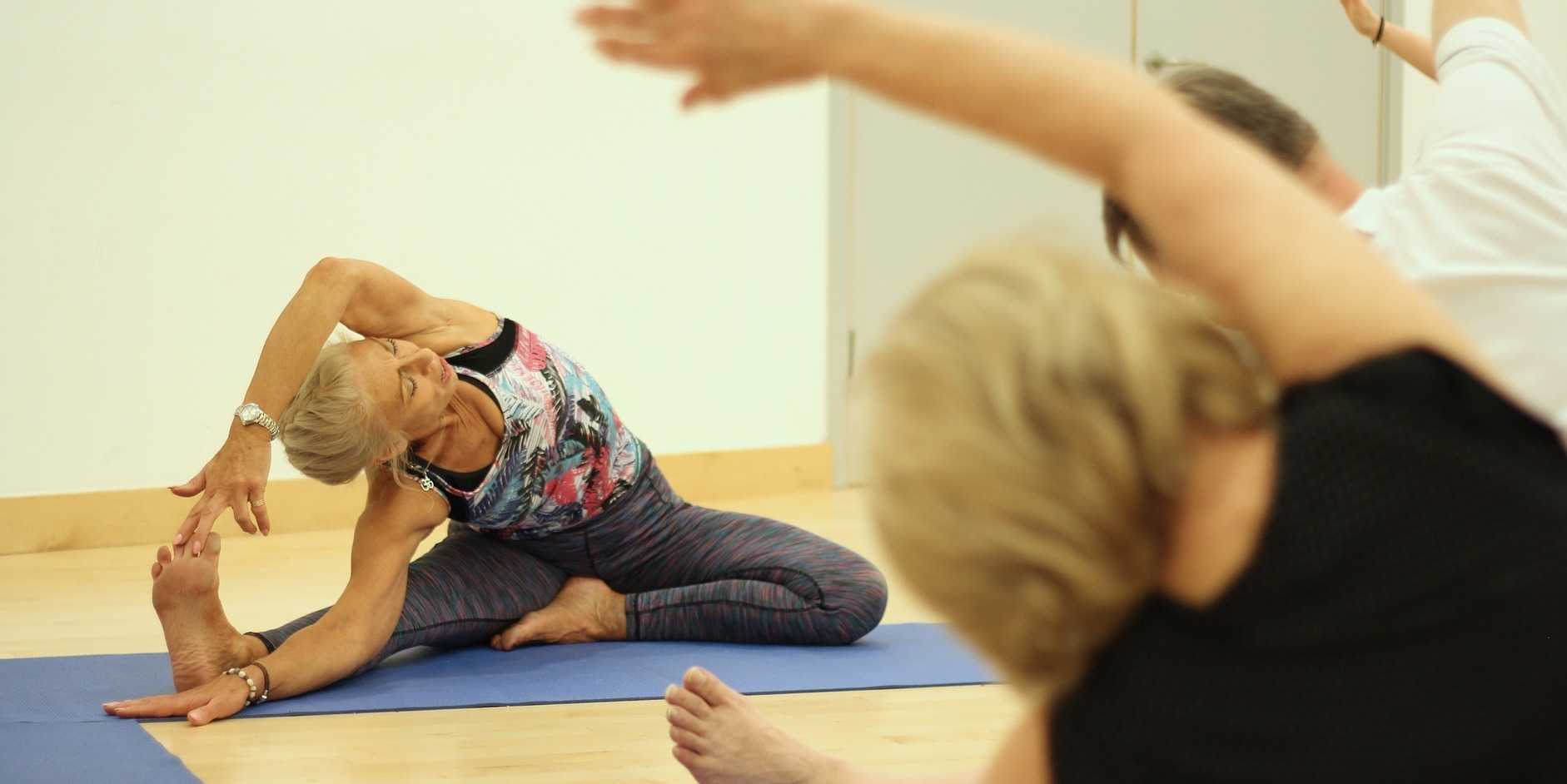
Participants will also learn additional nervous system–regulating points for managing anxiety, pain, and related symptoms, as well as two comprehensive acupressure-based home and wellness programs. The course further integrates Yin yoga as a complementary practice, offering an evidence-informed perspective on how Yin postures associated with specific meridians may influence neurodynamic pathways and support multidimensional healing.
References
1. Chen SR, Hou WH, Lai JN, Kwong JSW, Lin PC. Effects of Acupressure on Anxiety: A Systematic Review and Meta-Analysis. J Integr Complement Med. 2022;28(1):25-35. doi:10.1089/jicm.2020.0256
2. Yang J, Do A, Mallory MJ, Wahner-Roedler DL, Chon TY, Bauer BA. Acupressure: An Effective and Feasible Alternative Treatment for Anxiety During the COVID-19 Pandemic. Glob Adv Health Med. 2021;10:21649561211058076. Published 2021 Dec 12. doi:10.1177/21649561211058076
3. Kwon CY, Lee B. Acupuncture or Acupressure on Yintang (EX-HN 3) for Anxiety: A Preliminary Review. Med Acupunct. 2018;30(2):73-79. doi:10.1089/acu.2017.1268
4. Justice C, Sullivan MB, Van Demark CB, Davis CM, Erb M. Guiding Principles for the Practice of Integrative Physical Therapy. Phys Ther. 2023;103(12):pzad138. doi:10.1093/ptj/pzad138
5. Monson E, Arney D, Benham B, et al. Beyond Pills: Acupressure Impact on Self-Rated Pain and Anxiety Scores. J Altern Complement Med. 2019;25(5):517-521.
6. Abaraogu UO, Igwe SE, Tabansi-Ochiogu CS. Effectiveness of SP6 (Sanyinjiao) acupressure for relief of primary dysmenorrhea symptoms: A systematic review with meta- and sensitivity analyses. Complement Ther Clin Pract. 2016;25:92-105
7. He Y, Guo X, May BH, et al. Clinical Evidence for Association of Acupuncture and Acupressure With Improved Cancer Pain: A Systematic Review and Meta-Analysis. JAMA Oncol. 2020;6(2):271-278. doi:10.1001/jamaoncol.2019.5233
8. Hasanin ME, Elsayed SH, Taha MM. Effect of Acupressure on Anxiety and Pain Levels in Primiparous Women During Normal Labor: A Randomized Controlled Trial. J Integr Complement Med. 2024;30(7):654-661. doi:10.1089/jicm.2023.0072
All Upcoming Continuing Education Courses

Rehabilitative Ultrasound Imaging Pelvic Health Satellite Lab Course - Self-Hosted - April 17 - 19 2026
Apr 17 2026 - Apr 19 2026

Rehabilitative Ultrasound Imaging Pelvic Health Satellite Lab Course - Edmond OK - April 17 - 19 2026
Apr 17 2026 - Apr 19 2026

Pelvic Function Level 2B - Satellite - Bethpage NY - April 18 - 19 2026 - SOLD OUT
Apr 18 2026 - Apr 19 2026

Pelvic Function Level 1 - Satellite - Seattle WA - April 18 - 19 2026 - SOLD OUT
Apr 18 2026 - Apr 19 2026

Pelvic Function Level 1 - Satellite - Salt Lake City UT - April 18 - 19 2026 - SOLD OUT
Apr 18 2026 - Apr 19 2026

Pelvic Function Level 1 - Satellite - Newberg OR - April 18 - 19 2026 - SOLD OUT
Apr 18 2026 - Apr 19 2026

Menopause Transitions and Pelvic Rehab - Remote Course - April 18 - 19 2026
Apr 18 2026 - Apr 19 2026

Pelvic Function Level 1 - Satellite - Wichita KS - April 18 - 19 2026 - SOLD OUT
Apr 18 2026 - Apr 19 2026
Oncology of the Pelvic Floor Level 2A - Remote Course - April 18 - 19 2026
Apr 18 2026 - Apr 19 2026

Pelvic Function Level 1 - Satellite - St. Augustine FL - April 18 - 19 2026
Apr 18 2026 - Apr 19 2026

Pelvic Function Level 1 - Satellite - Minneapolis MN - April 18 - 19 2026 - SOLD OUT
Apr 18 2026 - Apr 19 2026



Pelvic Function Level 1 - Satellite - Colorado Springs CO - April 18 - 19 2026
Apr 18 2026 - Apr 19 2026










Pelvic Function Level 2B - Satellite - Nashotah WI - May 9 - 10 2026 - SOLD OUT
May 9 2026 - May 10 2026


Mobilization of the Myofascial Layer - Satellite Lab Course - Torrance CA - May 15 - 17 2026
May 15 2026 - May 17 2026
Mobilization of the Myofascial Layer - Satellite Lab Course Self-Hosted - May 15 - 17 2026
May 15 2026 - May 17 2026

Mobilization of the Myofascial Layer - Satellite Lab Course - McKinney TX - May 15 - 17 2026
May 15 2026 - May 17 2026

Mobilization of the Myofascial Layer - Satellite Lab Course - Bradenton FL - May 15 - 17 2026
May 15 2026 - May 17 2026

Mobilization of the Myofascial Layer - Satellite Lab Course - Atlanta GA - May 15 - 17 2026
May 15 2026 - May 17 2026

Pediatrics Level 2 - Adv Pediatric Bowel and Bladder Disorders - Remote Course - May 16 - 17 2026
May 16 2026 - May 17 2026


Pelvic Function Level 1 - In-Person - Bridgewater NJ - May 16 - 17 2026 - SOLD OUT
May 16 2026 - May 17 2026