High Functioning Codependence

It was my 6th year of being a PT and my first in Pelvic Health when a patient just a bit younger than me sat bawling in my treatment office.
She was bereft. Her fiancé had unceremoniously dumped her and kicked her out of his home. Her mother had estranged her. She had no one and nowhere to go.
I felt my heart beat a little faster as a bit of adrenaline and dopamine hit my bloodstream. A familiar feeling that I interpreted as me about to do a really good thing and help someone (and which I now understand was the chemical “hit” I get with Codependence). I had gotten married 6 months earlier. My husband and I lived in his smallish home, but there was an extra bedroom upstairs. We could help this sweet person!
“Come live with us!” I blurted out, feeling confident that this was a good thing. The right thing. Please note that I did not even THINK to run this decision past my husband. Much to his chagrin, she moved in the next day and lived with us for the next three challenging months.
Twenty-three years and a LOT of therapy later, I understand what happened here in very different terms.
While Nari and I joke about this scenario in our class (Boundaries, Self-Care, and Meditation), it’s a perfect example of someone operating as a High Functioning Codependent.
We’ve all heard about co-dependency, but tend to think of old-school definitions and relational patterns around addiction. Teri Grove updates our understanding. She talks about being a High Functioning Codependent and her experience in recovery in this podcast. She warns, “If you compulsively jump into action for others, auto-fix, auto-advice give, or auto-accommodate, you're not just being nice. You're being an HFC. HFCs make it all look easy, while inside, they're often exhausted, resentful, or burnt out.”
In one of my very early performance reviews, my supervisor told me I was “too nice.” I didn’t understand why that was a “bad” thing. I didn’t see what she was telling me. I had to learn from my own experience. I had to understand and heal through Burnout.
Boundaries, Self-Care, and Meditation (scheduled for September 27-28) is a course built from the combined experience of me and my bestie, Nari Clemons, as we navigated the complex task of Burnout recovery.
This course is for anyone who finds themselves over-giving, spending too much time on paperwork, not having energy for their life outside of work, knowing something is not working, but not knowing how to change.
We explore how to set boundaries with time, energy, and patient care. We reframe the narrative of what it means to be a therapist, a giver, an empath. This course is one part equipping through shared information, and one part deep reflective soul search tied up in story, values, intentions, and accountability.
Are you in burnout? Come join us for a weekend of transformation. You won’t regret the time or money invested in yourSELF.
Read more:
https://www.terricole.com/the-high-price-of-codependency/
https://www.terricole.com/5-traits-of-high-functioning-codependency/
AUTHOR BIO
Jenna Ross, PT, BCB-PMD, PRPC
 Jennafer Ross PT, BCB-PMD, PRPC, (she/her) After graduating from Ithaca College, Jenna began her career as a physical therapist at Spectrum Health in Grand Rapids, MI. Since 2002, she has focused her professional attention on treating women, men, and children with pelvic health disorders. She is energized through education and enjoys her position as adjunct faculty at Grand Valley University, speaking at community events, organizing a regional pelvic floor mentorship and study group, and didn’t necessarily enjoy but survived part-time home-schooling her two daughters. She has been faculty for Herman & Wallace Pelvic Rehabilitation Institute since 2009 and loves to inspire other rehab professionals treating pelvic floor dysfunction. She is the author of the chapter, “Manual Therapy for the Pelvic Floor,” which was published in the book, “Healing in Urology.” Jenna was a contributing writer for the Pelvic Floor Capstone curriculum and also co-authored the continuing education course, “Boundaries, Self-Care and Meditation” with Nari Clemons. She is certified in pelvic floor rehabilitation and biofeedback for pelvic floor disorders. Outside of teaching and treating patients, Jenna loves to spend time with family and friends, run, cook, travel, do yoga, and snuggle with her doggo.
By accepting you will be accessing a service provided by a third-party external to https://www.hermanwallace.com/
All Upcoming Continuing Education Courses

Rehabilitative Ultrasound Imaging Pelvic Health Satellite Lab Course - Self-Hosted - April 17 - 19 2026
Apr 17 2026 - Apr 19 2026
Rehabilitative Ultrasound Imaging Pelvic Health Satellite Lab Course - Edmond OK - April 17 - 19 2026
Apr 17 2026 - Apr 19 2026

Pelvic Function Level 2B - Satellite - Bethpage NY - April 18 - 19 2026 - SOLD OUT
Apr 18 2026 - Apr 19 2026

Pelvic Function Level 1 - Satellite - Seattle WA - April 18 - 19 2026 - SOLD OUT
Apr 18 2026 - Apr 19 2026

Pelvic Function Level 1 - Satellite - Salt Lake City UT - April 18 - 19 2026 - SOLD OUT
Apr 18 2026 - Apr 19 2026
Pelvic Function Level 1 - Satellite - Newberg OR - April 18 - 19 2026 - SOLD OUT
Apr 18 2026 - Apr 19 2026

Menopause Transitions and Pelvic Rehab - Remote Course - April 18 - 19 2026
Apr 18 2026 - Apr 19 2026

Pelvic Function Level 1 - Satellite - Wichita KS - April 18 - 19 2026 - SOLD OUT
Apr 18 2026 - Apr 19 2026
Oncology of the Pelvic Floor Level 2A - Remote Course - April 18 - 19 2026
Apr 18 2026 - Apr 19 2026
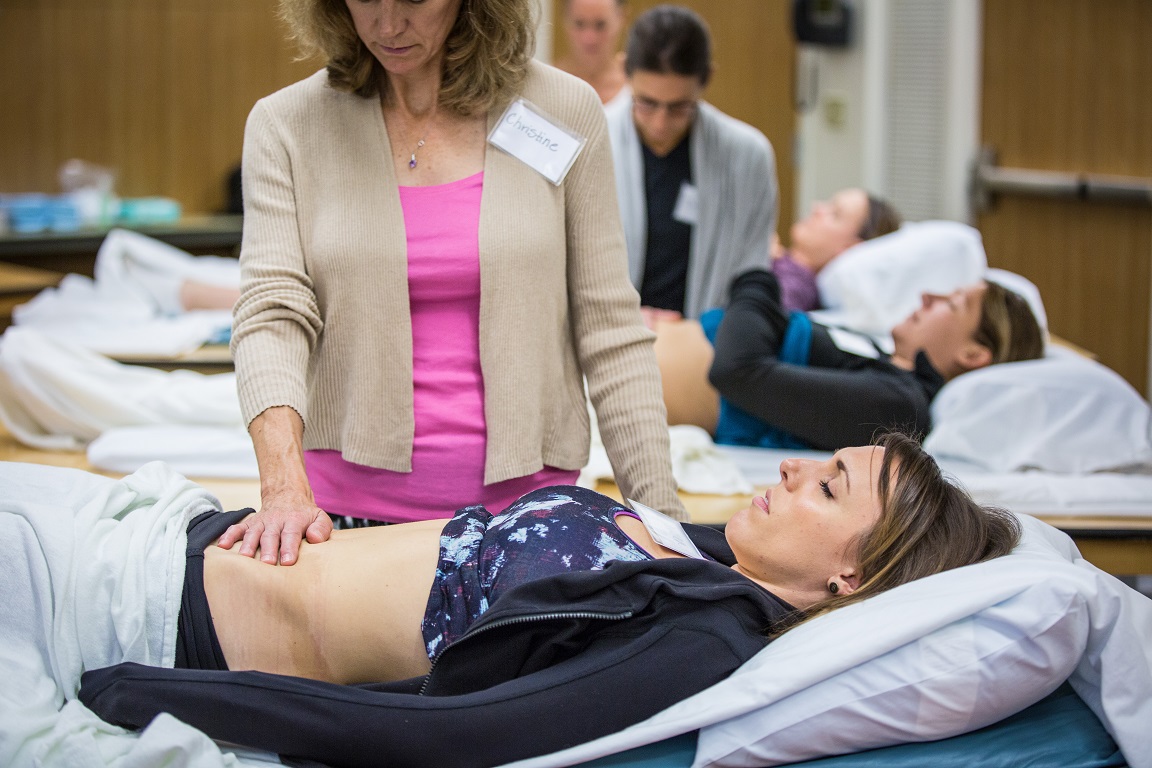

Pelvic Function Level 1 - Satellite - St. Augustine FL - April 18 - 19 2026
Apr 18 2026 - Apr 19 2026

Pelvic Function Level 1 - Satellite - Minneapolis MN - April 18 - 19 2026 - SOLD OUT
Apr 18 2026 - Apr 19 2026



Pelvic Function Level 1 - Satellite - Colorado Springs CO - April 18 - 19 2026
Apr 18 2026 - Apr 19 2026
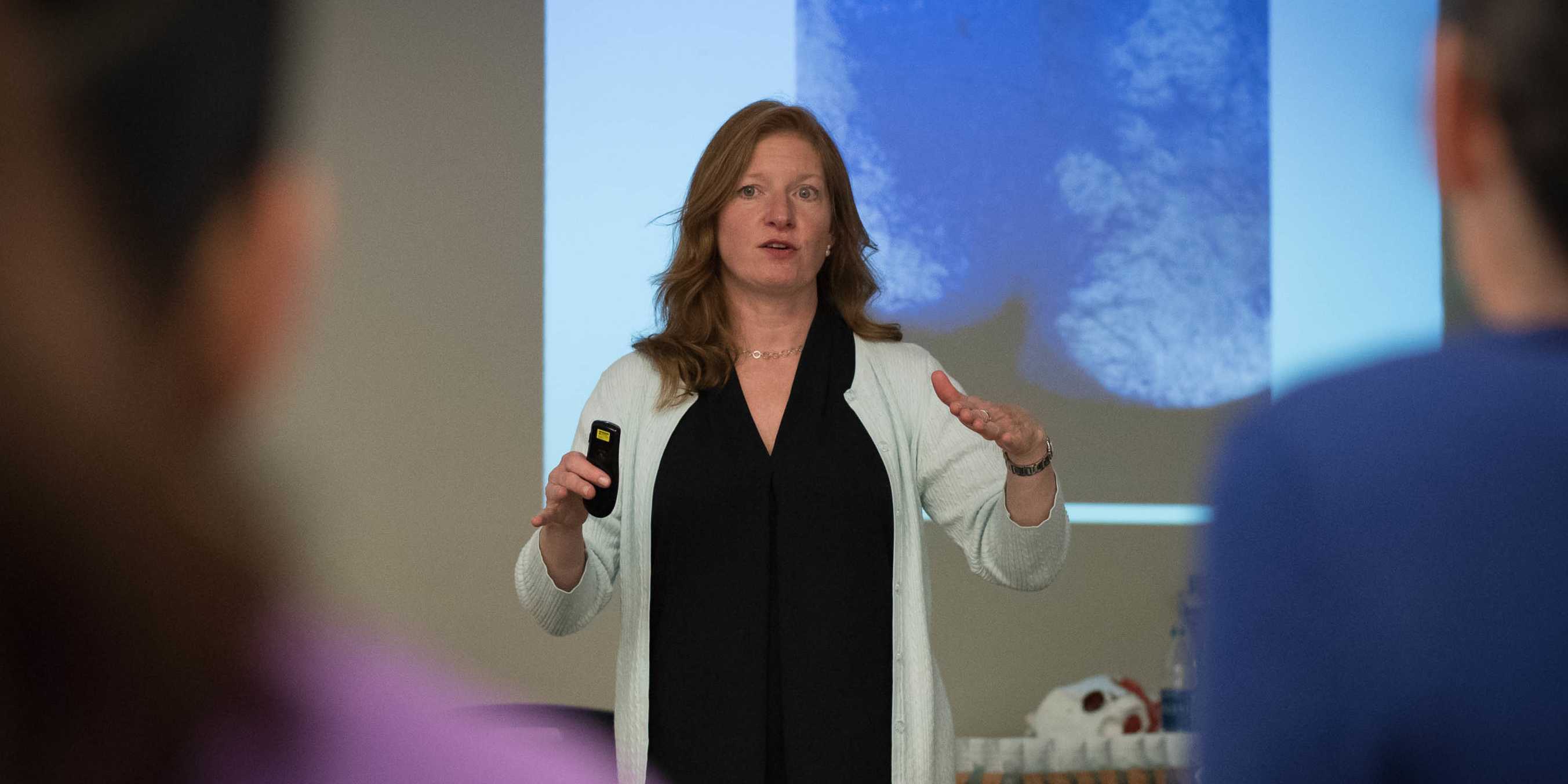







Pelvic Function Level 2B - Satellite - Nashotah WI - May 9 - 10 2026 - SOLD OUT
May 9 2026 - May 10 2026


Mobilization of the Myofascial Layer - Satellite Lab Course - Torrance CA - May 15 - 17 2026
May 15 2026 - May 17 2026
Mobilization of the Myofascial Layer - Satellite Lab Course Self-Hosted - May 15 - 17 2026
May 15 2026 - May 17 2026
Mobilization of the Myofascial Layer - Satellite Lab Course - McKinney TX - May 15 - 17 2026
May 15 2026 - May 17 2026
Mobilization of the Myofascial Layer - Satellite Lab Course - Bradenton FL - May 15 - 17 2026
May 15 2026 - May 17 2026

Mobilization of the Myofascial Layer - Satellite Lab Course - Atlanta GA - May 15 - 17 2026
May 15 2026 - May 17 2026

Pediatrics Level 2 - Adv Pediatric Bowel and Bladder Disorders - Remote Course - May 16 - 17 2026
May 16 2026 - May 17 2026

Pelvic Function Level 1 - In-Person - Bridgewater NJ - May 16 - 17 2026 - SOLD OUT
May 16 2026 - May 17 2026