In preparation for this blog, I searched Burnout in the Facebook group Global Health Physio. Here are some snippets. See if you can relate?
“Hello fellow pelvic floor therapists, I would love any guidance or insights about managing the emotional burden of our specialty.”
“I am having internal conflict because I want to give so much more to my patients than time or energy constraints allow.”
“I don't want to survive the workday; I want to thrive and help my patient thrive.”
“I am currently burnt out and have a lot of chronic pain and complex patients on my caseload right now and I just cannot seem to run on time despite not intentionally trying to do this!”
“I'm considering transitioning to at least part time remote in the future to help avoid burnout.”
The struggle is real and relatable.
Then this comment held me in contemplation...
“Within our profession as physical therapists there is a PERVASIVE culture of giving away too much of ourselves and our time. Corporations have long taken advantage of our giving/helping nature by overloading our schedules and demanding impossible productivity standards such that we end up not feeling good about the care we provide, and we do documentation on our personal time. “
In last session’s Boundaries Meditation and Self Care class we were all relating to the fact that we tend to care TOO much, spend too much time with patients and paperwork piled up leaving us stressed and depleted in both time and energy.
 This led to Nari (Clemons, my bestie and brains behind this class we developed and co-teach) vibrantly encouraging us all to “channel our inner Selfish B****” to the result of a Zoom full of laughter!
Nari went on to explain that our ability to accurately judge ourselves for healthy boundaries with patients was skewed or even broken. Holding a HEALTHY boundary with our time or energy was to US going to FEEL LIKE we were being totally selfish! And so why not just allow that bass a** chick to have a much-needed voice!
So, what does being a (tongue-in-cheek) “Selfish B” look like in clinical practice??
Developing a model of clinical practice that values YOU the clinician and your health and well-being as MUCH (or MORE) than that of our patients.
Some behaviors to strive for:
- Finish sessions 5 mins early or spend the last 5 minutes documenting your intervention.
- Hold that “one last thing” you want to do with that patient and put it in the plan for the next visit.
- Actually, take your WHOLE lunch time to refresh yourself, finish paperwork, eat, move, rest, breathe or connect with coworkers.
- Be proactive in setting up a shared model of care with your patients on an initial visit.
- Say things like:
- Our time is up, and my next patient is here, I look forward to (answering your questions, furthering your program, seeing you, etc) in our next appointment.
- I don’t take phone calls, but you may email me concerns and we can talk about them at your next visit.
Let’s be honest about a few things. We serve a population of patients that can be emotionally taxing, medically challenging, and complex on all levels. AND while we learn excellent clinical skills, no one teaches us energetic, emotional, and behavioral skills to manage this level of patient care and interaction.
Until NOW.
If you’ve been struggling with burnout, exhaustion, time management, energy depletion or your own Selfish B is struggling to find her voice, come join us on a journey of healing and equipping.
We promise you won’t regret the investment in YOU and your future.
Boundaries, Self-Care, and Meditation (scheduled for September 27-28) is a course built from the combined experience of me and my bestie, Nari Clemons, as we navigated the complex task of Burnout recovery.
This course is for anyone who finds themselves over-giving, spending too much time on paperwork, not having energy for their life outside of work, knowing something is not working, but not knowing how to change.
We explore how to set boundaries with time, energy, and patient care. We reframe the narrative of what it means to be a therapist, a giver, an empath. This course is one part equipping through shared information, and one part deep reflective soul search tied up in story, values, intentions, and accountability.
AUTHOR BIO
Jenna Ross, PT, BCB-PMD, PRPC
 Jennafer Ross PT, BCB-PMD, PRPC, (she/her) After graduating from Ithaca College, Jenna began her career as a physical therapist at Spectrum Health in Grand Rapids, MI. Since 2002, she has focused her professional attention on treating women, men, and children with pelvic health disorders. She is energized through education and enjoys her position as adjunct faculty at Grand Valley University, speaking at community events, organizing a regional pelvic floor mentorship and study group, and didn’t necessarily enjoy but survived part-time home-schooling her two daughters. She has been faculty for Herman & Wallace Pelvic Rehabilitation Institute since 2009 and loves to inspire other rehab professionals treating pelvic floor dysfunction. She is the author of the chapter, “Manual Therapy for the Pelvic Floor,” which was published in the book, “Healing in Urology.” Jenna was a contributing writer for the Pelvic Floor Capstone curriculum and also co-authored the continuing education course, “Boundaries, Self-Care and Meditation” with Nari Clemons. She is certified in pelvic floor rehabilitation and biofeedback for pelvic floor disorders. Outside of teaching and treating patients, Jenna loves to spend time with family and friends, run, cook, travel, do yoga, and snuggle with her doggo.


It was my 6th year of being a PT and my first in Pelvic Health when a patient just a bit younger than me sat bawling in my treatment office.
She was bereft. Her fiancé had unceremoniously dumped her and kicked her out of his home. Her mother had estranged her. She had no one and nowhere to go.
I felt my heart beat a little faster as a bit of adrenaline and dopamine hit my bloodstream. A familiar feeling that I interpreted as me about to do a really good thing and help someone (and which I now understand was the chemical “hit” I get with Codependence). I had gotten married 6 months earlier. My husband and I lived in his smallish home, but there was an extra bedroom upstairs. We could help this sweet person!
“Come live with us!” I blurted out, feeling confident that this was a good thing. The right thing. Please note that I did not even THINK to run this decision past my husband. Much to his chagrin, she moved in the next day and lived with us for the next three challenging months.
Twenty-three years and a LOT of therapy later, I understand what happened here in very different terms.
While Nari and I joke about this scenario in our class (Boundaries, Self-Care, and Meditation), it’s a perfect example of someone operating as a High Functioning Codependent.
We’ve all heard about co-dependency, but tend to think of old-school definitions and relational patterns around addiction. Teri Grove updates our understanding. She talks about being a High Functioning Codependent and her experience in recovery in this podcast. She warns, “If you compulsively jump into action for others, auto-fix, auto-advice give, or auto-accommodate, you're not just being nice. You're being an HFC. HFCs make it all look easy, while inside, they're often exhausted, resentful, or burnt out.”
In one of my very early performance reviews, my supervisor told me I was “too nice.” I didn’t understand why that was a “bad” thing. I didn’t see what she was telling me. I had to learn from my own experience. I had to understand and heal through Burnout.
Boundaries, Self-Care, and Meditation (scheduled for September 27-28) is a course built from the combined experience of me and my bestie, Nari Clemons, as we navigated the complex task of Burnout recovery.
This course is for anyone who finds themselves over-giving, spending too much time on paperwork, not having energy for their life outside of work, knowing something is not working, but not knowing how to change.
We explore how to set boundaries with time, energy, and patient care. We reframe the narrative of what it means to be a therapist, a giver, an empath. This course is one part equipping through shared information, and one part deep reflective soul search tied up in story, values, intentions, and accountability.
Are you in burnout? Come join us for a weekend of transformation. You won’t regret the time or money invested in yourSELF.
Read more:
https://www.terricole.com/the-high-price-of-codependency/
https://www.terricole.com/5-traits-of-high-functioning-codependency/
AUTHOR BIO
Jenna Ross, PT, BCB-PMD, PRPC
Jennafer Ross PT, BCB-PMD, PRPC, (she/her) After graduating from Ithaca College, Jenna began her career as a physical therapist at Spectrum Health in Grand Rapids, MI. Since 2002, she has focused her professional attention on treating women, men, and children with pelvic health disorders. She is energized through education and enjoys her position as adjunct faculty at Grand Valley University, speaking at community events, organizing a regional pelvic floor mentorship and study group, and didn’t necessarily enjoy but survived part-time home-schooling her two daughters. She has been faculty for Herman & Wallace Pelvic Rehabilitation Institute since 2009 and loves to inspire other rehab professionals treating pelvic floor dysfunction. She is the author of the chapter, “Manual Therapy for the Pelvic Floor,” which was published in the book, “Healing in Urology.” Jenna was a contributing writer for the Pelvic Floor Capstone curriculum and also co-authored the continuing education course, “Boundaries, Self-Care and Meditation” with Nari Clemons. She is certified in pelvic floor rehabilitation and biofeedback for pelvic floor disorders. Outside of teaching and treating patients, Jenna loves to spend time with family and friends, run, cook, travel, do yoga, and snuggle with her doggo.


Pelvic health providers are natural empaths—you closely witness intimate suffering and trauma. While this fosters empathy, it's a double-edged sword. Jennafer Ross (MSPT, BCB‑PMD, PRPC), co‑instructor of Boundaries, Self‑Care & Meditation, recalls how being “too nice” led to emotional exhaustion, anxiety, and even compromised personal life in a past blog (Ross, 2019). Without structure, providers can lose energy to work and neglect their own boundaries.
Setting Healthy Boundaries = Sustainable Practice
Boundaries are more than a “nice to have.” They help you:
- Prevent overwork, such as answering emails after hours, extending session times (Herman & Wallace, 2023).
- Model healthy behavior to patients, reinforcing a shared responsibility model in their recovery (Ross, 2023).
- Protect emotional reserves for personal life and self-care.
The Neuroscience – Burnout, Pain, and the Brain
Courses like Boundaries, Self‑Care & Meditation integrate science on:
- How chronic stress/trauma affects brain regions involved in regulation and empathy (Herman & Wallace, 2022).
- How meditation can rewire neural circuits—enhancing attention, emotional regulation, and reducing compassion fatigue.
Meditation Supports Pelvic Health
Meditation is more than rest—it's a targeted therapeutic tool:
- Deep, diaphragmatic breathing relaxes pelvic floor muscles, countering stress-induced spasms (Krauss, 2023).
- Mindfulness-based stress reduction (MBSR) has been shown to reduce urinary incontinence symptoms, pelvic pain, and improve quality of life.
- Studies demonstrate how mindfulness reduces neural sensitization, pain perception, and systemic stress responses
Practitioner Self‑Care = Better Patient Care
Self-compassion and meditation improve providers’ resilience. For therapists, MBSR studies show lower burnout, anxiety, and enhanced self‑compassion—and that translates into better care (Herman & Wallace, 2022). Teaching patients to mirror these practices empowers them, too.
Course Spotlight - Boundaries, Self‑Care & Meditation
The newly updated course, Boundaries, Self-Care, and Meditation, was born from the personal and professional journeys of instructors Nari Clemons and Jenna Ross. This transformative course is designed to help pelvic rehab practitioners create a more sustainable and fulfilling career.
Through a blend of pre-recorded content and live instruction, participants explore the neuroscience behind burnout, empathy, and coping, and gain tools to reshape unhelpful patterns. The live portion of the course offers a deep dive into the relational dynamics, emotional boundaries, and the energy exchange that occurs in caregiving. Practices included in the course are yoga, guided meditation, and reflective planning to equip practitioners to reconnect with their purpose and learn to support healing, for themselves and their patients - through a whole-person, mind-body-spirit lens.
Explore the course and registration details here for the upcoming September 27-28th course:
👉 https://www.hermanwallace.com/continuing-education-courses/boundaries-self-care-and-meditation/remote-course-september-27-28-2025
Takeaways for Practitioners
|
Focus Area |
Why It Matters |
Implementation |
|
Boundaries |
Prevent burnout, preserve relationships |
Define work hours, communicate expectations, delegate parts of care |
|
Self‑Care |
Recharge emotional reserves |
Daily rituals (nature breaks, journaling, self-compassion practices) |
|
Meditation |
Build nervous system resilience |
Start MBSR, lead short guided breath/pelvic floor practices in clinic |
By weaving boundaries, self-care, and meditation into your professional toolkit, you’ll:
- Sustain long-term passion and energy
- Elevate your personal well-being and model healthy coping
- Deliver more effective pelvic rehab—treating the whole person, not just symptoms
If you're ready to protect your emotional well-being and deepen your clinical impact, the Boundaries, Self‑Care & Meditation course offers a structured, science-based path. Your patients—and life outside work—will thank you.
References:
- Ross, J (2019, May 14). A Healing Journey around Boundaries, Self-Care and Meditation: Part 1. The Pelvic Rehab Report. https://hermanwallace.com/blog/a-healing-journey-around-boundaries-self-care-and-meditation-part-1
- Herman & Wallace (2023, March 3). Boundaries, Self-Care, and Meditation: Getting Personal with Nari Clemons and Jennafer Vande Vegte. The Pelvic Rehab Report. https://hermanwallace.com/blog/boundaries-self-care-and-meditation-getting-personal-with-nari-clemons-and-jennafer-vande-vegte
- Ross, J (2023, July 21). When You Care Too Much: Boundaries, Self-Care, and Meditation. The Pelvic Rehab Report. https://hermanwallace.com/blog/when-you-care-too-much-boundaries-self-care-and-meditation
- Herman & Wallace (2022, April 6). What are Boundaries? The Pelvic Rehab Report. https://hermanwallace.com/blog/what-are-boundaries
- Krauss, J (2023, September 26). How Meditation Can Support Pelvic Health. Psychology Today. https://www.psychologytoday.com/us/blog/pain-and-the-whole-body/202309/how-meditation-can-support-pelvic-health

Part 1: Burnout
Let’s get real for a minute.
You are a highly educated professional. If you are reading this blog, I can assume you are invested in your career and your continued education. You are probably pretty skillful, and you help a lot of people.
BUT
How are you doing once you leave work?
Does your life outside of work give you joy and fulfillment?
Or do you leave your work setting completely drained, snippy with your loved ones, and too tired to care for yourself?
You have at least one advanced degree, probably some certifications, but did anyone ever teach you how to get your paperwork done on time?
Or how to leave work at work and not have your patients popping into your head day and night?
What about energy conservation? In fact, we may have been taught to give our ALL to work, to our patients, to strive for productivity and accomplishment. But where does that leave us?
BURNED OUT.
Part 2: Mindset
Taking continuing education classes was my pathway to becoming a better physical therapist.
But I had to go to therapy to learn how to survive as a physical therapist.
There were struggles.
Paperwork. I could NEVER finish in a timely way.
Timeliness. I was OFTEN running behind for patients.
Discharge. I had some patients for YEARS because I did not know how to discharge them even though they weren’t getting better. They depended on me, and I also depended on them.
Boundaries. I had none.
And here’s something that surprised me.
I had to change the way I THOUGHT before I could change my BEHAVIOURS.
I had to change my mindset.
I used to show up at work with the idea of Helping People. I felt responsible for their outcomes. If they weren’t doing well, I assumed I was missing something.
The shift looked like this:
I can show up at work to coach people who are responsible for their own outcomes. If they aren’t doing well, we can have honest communication about next steps (medical or otherwise), discharge, or resistance.
My patients are not my family, they are not my friends. I show up as a coach who is very interested in understanding their story and helping them reach their goals through a shared responsibility model of care.
My free time is sacred. I need to protect it for my mental, physical, spiritual, and emotional health. Because I am a priority, I will use 5 minutes of each treatment session to complete the patient’s treatment by doing paperwork.
Now, therapy is INVALUABLE. Don’t get me wrong, but paperwork, timeliness, discharge, and healthy boundaries are things MANY of us struggle with. So Nari Clemons and I designed a Continuing Education COURSE. We believe that therapists deserve to learn skills to preserve our wellbeing and strengthen our resilience against burnout.
Especially since the pandemic, more and more health care workers are reporting very high levels of burnout. Nari Clemons and I went through a period of burnout earlier in our careers. The tools and techniques we learned to heal ourselves and develop new patterns of delivering care are powerful. We know you might also be struggling and we want to help. So we developed a course to equip you. We would love to learn with you at Boundaries, Self-Care, and Meditation. A two-part, online journey toward experiencing a practice you enjoy and a life you love.
Boundaries, Self-Care, and Meditation is a two-part series intended to be completed in order. Participants should register for Part 1 and Part 2 at the same time, or complete Part 1 and wait to complete Part 2 at a later date. This course was developed by Nari Clemons, PT, PRPC, and Jennafer Vande Vegte, PT, PRPC and was "born out of our own personal and professional struggles and our journey to having a life and a practice that we love and can sustain." The intention of this class is deep, personal, and professional transformation through evidence-based information and practices. Both Part One and Part Two have a significant amount of pre-work to digest and practice before meeting via Zoom. Nari shares that "This sets the stage for you to find your path to experiencing more joy, energy, and balance."
Boundaries, Self-Care, and Meditation - Part 1 - Remote Course
Apr 24, 2022
In Part One, participants begin their process of study, meditation, and self-reflection in the weeks prior to the start of the class. Pre-work includes focusing on the neuroscience of pain, trauma, PTSD, and meditation. Participants will learn about the powerful influence both negative and positive experiences have on our nervous system’s structure and function. Personal meditation practice and instruction will create changes in the participant's own nervous system. Participants will also learn how to prescribe meditation for various patient personalities and needs, as well as analyze yourself through inventories on coping, self-care, empathy, burnout, values as well as track how you spend your time. Commitment to pre-work will facilitate rich discussion as we put what you have learned into practice around building a shared responsibility model of patient care, language to support difficult patients, and both visualizing and planning steps to create new, healthier patterns in your life and in your practice.
Boundaries, Self-Care, and Meditation - Part 2 - Remote Course
Jun 12, 2022
Part Two continues the focus on personal and professional growth for the participant, with a deeper dive into meditation and self-care practices. Yoga is introduced as a means of mindful movement and energy balance. Participants will learn to identify unhealthy relational patterns in patients and others, and skills on how to use language and boundaries to create shifts that keep the clinician grounded and prevent excessive energic and emotional disruptions. There is a lecture on using essential oils for self-care and possibly patient care. Learning new strategies to preserve energy, wellness, and passion while practicing appropriate self-care and boundaries will lead to helpful relationships with complex patients. This course also includes a discussion of energetic relationships with others as well as the concept of a "Higher Power". Course discussion will also include refining life purpose, mission, and joy potential, unique to the individual participant. The goal is that the participating clinician will walk away from this experience equipped with strategies to address both oneself and one's patients with a mind, body, and spirit approach.
All Upcoming Continuing Education Courses

Rehabilitative Ultrasound Imaging Pelvic Health Satellite Lab Course - Self-Hosted - April 17 - 19 2026
Apr 17 2026 - Apr 19 2026

Rehabilitative Ultrasound Imaging Pelvic Health Satellite Lab Course - Edmond OK - April 17 - 19 2026
Apr 17 2026 - Apr 19 2026

Pelvic Function Level 2B - Satellite - Bethpage NY - April 18 - 19 2026 - SOLD OUT
Apr 18 2026 - Apr 19 2026

Pelvic Function Level 1 - Satellite - Seattle WA - April 18 - 19 2026 - SOLD OUT
Apr 18 2026 - Apr 19 2026

Pelvic Function Level 1 - Satellite - Salt Lake City UT - April 18 - 19 2026 - SOLD OUT
Apr 18 2026 - Apr 19 2026
Pelvic Function Level 1 - Satellite - Newberg OR - April 18 - 19 2026 - SOLD OUT
Apr 18 2026 - Apr 19 2026

Menopause Transitions and Pelvic Rehab - Remote Course - April 18 - 19 2026
Apr 18 2026 - Apr 19 2026
Pelvic Function Level 1 - Satellite - Wichita KS - April 18 - 19 2026 - SOLD OUT
Apr 18 2026 - Apr 19 2026
Oncology of the Pelvic Floor Level 2A - Remote Course - April 18 - 19 2026
Apr 18 2026 - Apr 19 2026

Pelvic Function Level 1 - Satellite - St. Augustine FL - April 18 - 19 2026
Apr 18 2026 - Apr 19 2026

Pelvic Function Level 1 - Satellite - Minneapolis MN - April 18 - 19 2026 - SOLD OUT
Apr 18 2026 - Apr 19 2026



Pelvic Function Level 1 - Satellite - Colorado Springs CO - April 18 - 19 2026
Apr 18 2026 - Apr 19 2026







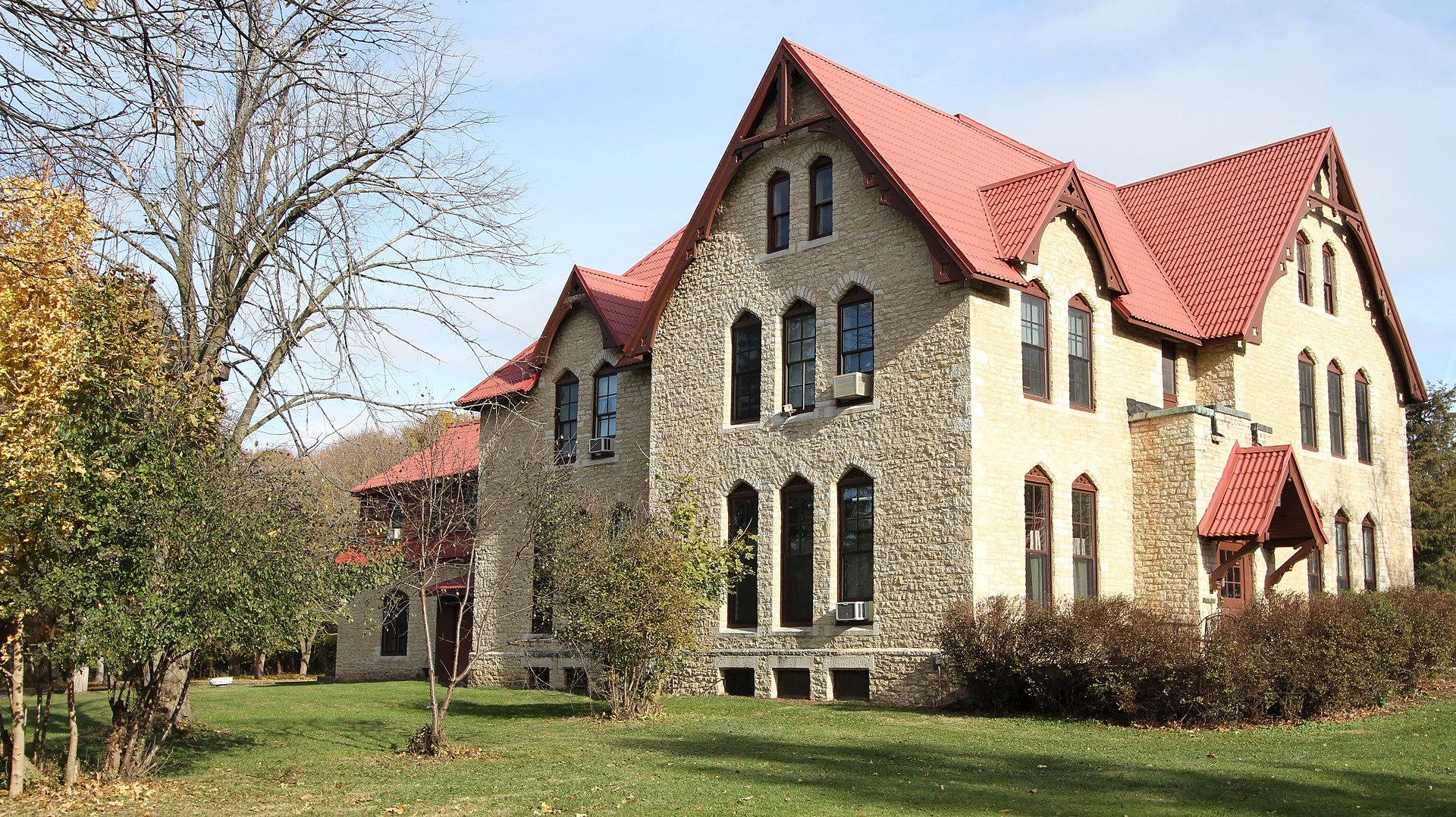
Pelvic Function Level 2B - Satellite - Nashotah WI - May 9 - 10 2026 - SOLD OUT
May 9 2026 - May 10 2026


Mobilization of the Myofascial Layer - Satellite Lab Course - Torrance CA - May 15 - 17 2026
May 15 2026 - May 17 2026
Mobilization of the Myofascial Layer - Satellite Lab Course Self-Hosted - May 15 - 17 2026
May 15 2026 - May 17 2026
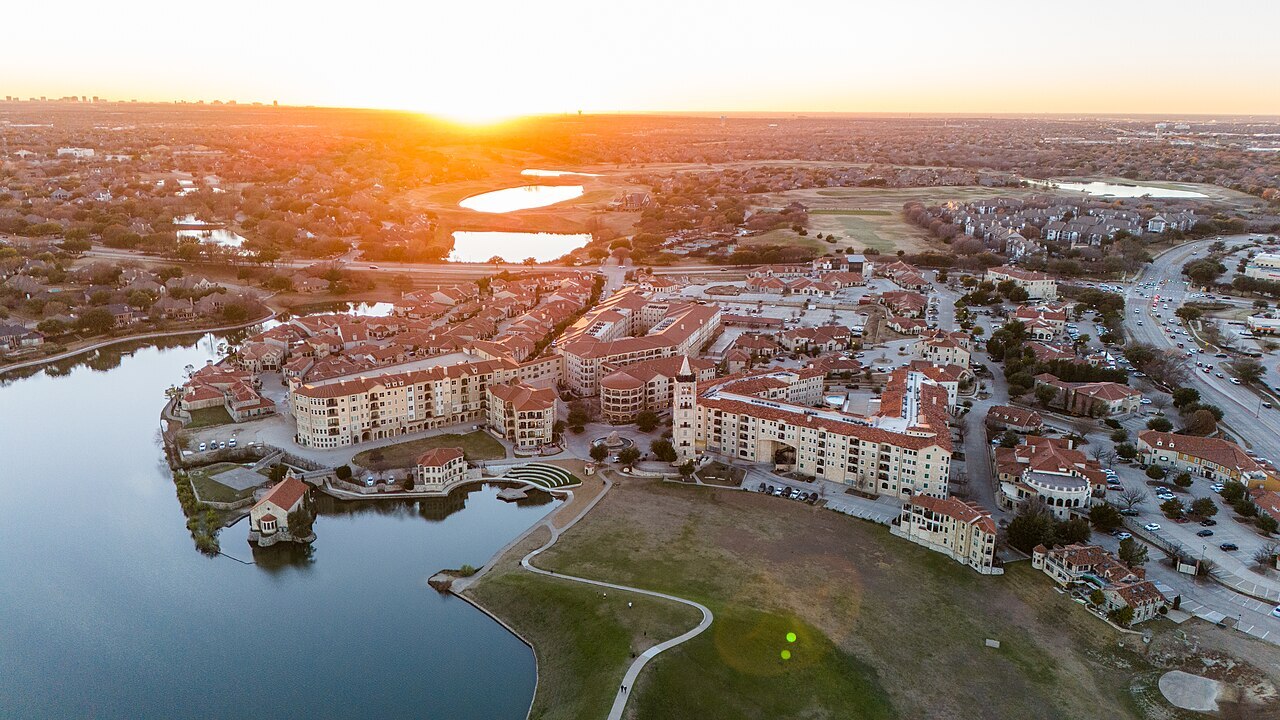
Mobilization of the Myofascial Layer - Satellite Lab Course - McKinney TX - May 15 - 17 2026
May 15 2026 - May 17 2026

Mobilization of the Myofascial Layer - Satellite Lab Course - Bradenton FL - May 15 - 17 2026
May 15 2026 - May 17 2026

Mobilization of the Myofascial Layer - Satellite Lab Course - Atlanta GA - May 15 - 17 2026
May 15 2026 - May 17 2026

Pediatrics Level 2 - Adv Pediatric Bowel and Bladder Disorders - Remote Course - May 16 - 17 2026
May 16 2026 - May 17 2026
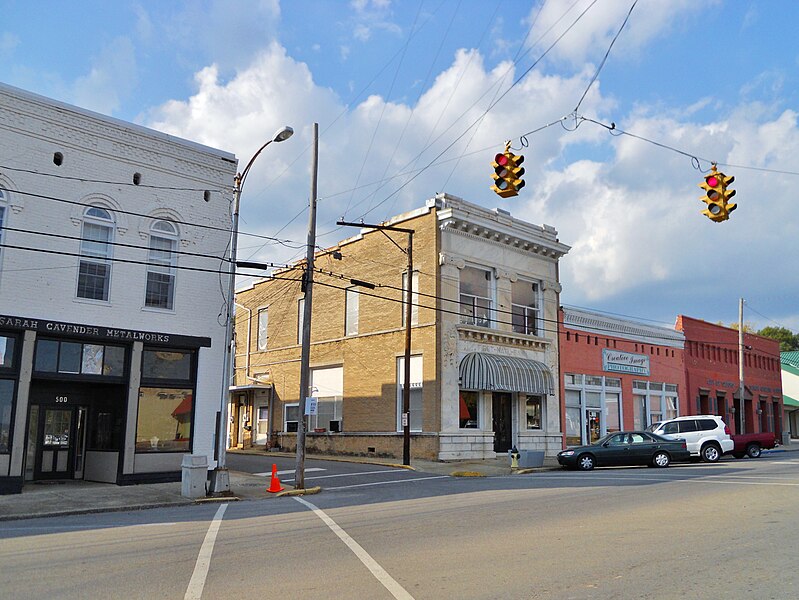

Pelvic Function Level 1 - In-Person - Bridgewater NJ - May 16 - 17 2026 - SOLD OUT
May 16 2026 - May 17 2026