The Emotional Toll of Caregiving

Pelvic health providers are natural empaths—you closely witness intimate suffering and trauma. While this fosters empathy, it's a double-edged sword. Jennafer Ross (MSPT, BCB‑PMD, PRPC), co‑instructor of Boundaries, Self‑Care & Meditation, recalls how being “too nice” led to emotional exhaustion, anxiety, and even compromised personal life in a past blog (Ross, 2019). Without structure, providers can lose energy to work and neglect their own boundaries.
Setting Healthy Boundaries = Sustainable Practice
Boundaries are more than a “nice to have.” They help you:
- Prevent overwork, such as answering emails after hours, extending session times (Herman & Wallace, 2023).
- Model healthy behavior to patients, reinforcing a shared responsibility model in their recovery (Ross, 2023).
- Protect emotional reserves for personal life and self-care.
The Neuroscience – Burnout, Pain, and the Brain
Courses like Boundaries, Self‑Care & Meditation integrate science on:
- How chronic stress/trauma affects brain regions involved in regulation and empathy (Herman & Wallace, 2022).
- How meditation can rewire neural circuits—enhancing attention, emotional regulation, and reducing compassion fatigue.
Meditation Supports Pelvic Health
Meditation is more than rest—it's a targeted therapeutic tool:
- Deep, diaphragmatic breathing relaxes pelvic floor muscles, countering stress-induced spasms (Krauss, 2023).
- Mindfulness-based stress reduction (MBSR) has been shown to reduce urinary incontinence symptoms, pelvic pain, and improve quality of life.
- Studies demonstrate how mindfulness reduces neural sensitization, pain perception, and systemic stress responses
Practitioner Self‑Care = Better Patient Care
Self-compassion and meditation improve providers’ resilience. For therapists, MBSR studies show lower burnout, anxiety, and enhanced self‑compassion—and that translates into better care (Herman & Wallace, 2022). Teaching patients to mirror these practices empowers them, too.
Course Spotlight - Boundaries, Self‑Care & Meditation
The newly updated course, Boundaries, Self-Care, and Meditation, was born from the personal and professional journeys of instructors Nari Clemons and Jenna Ross. This transformative course is designed to help pelvic rehab practitioners create a more sustainable and fulfilling career.
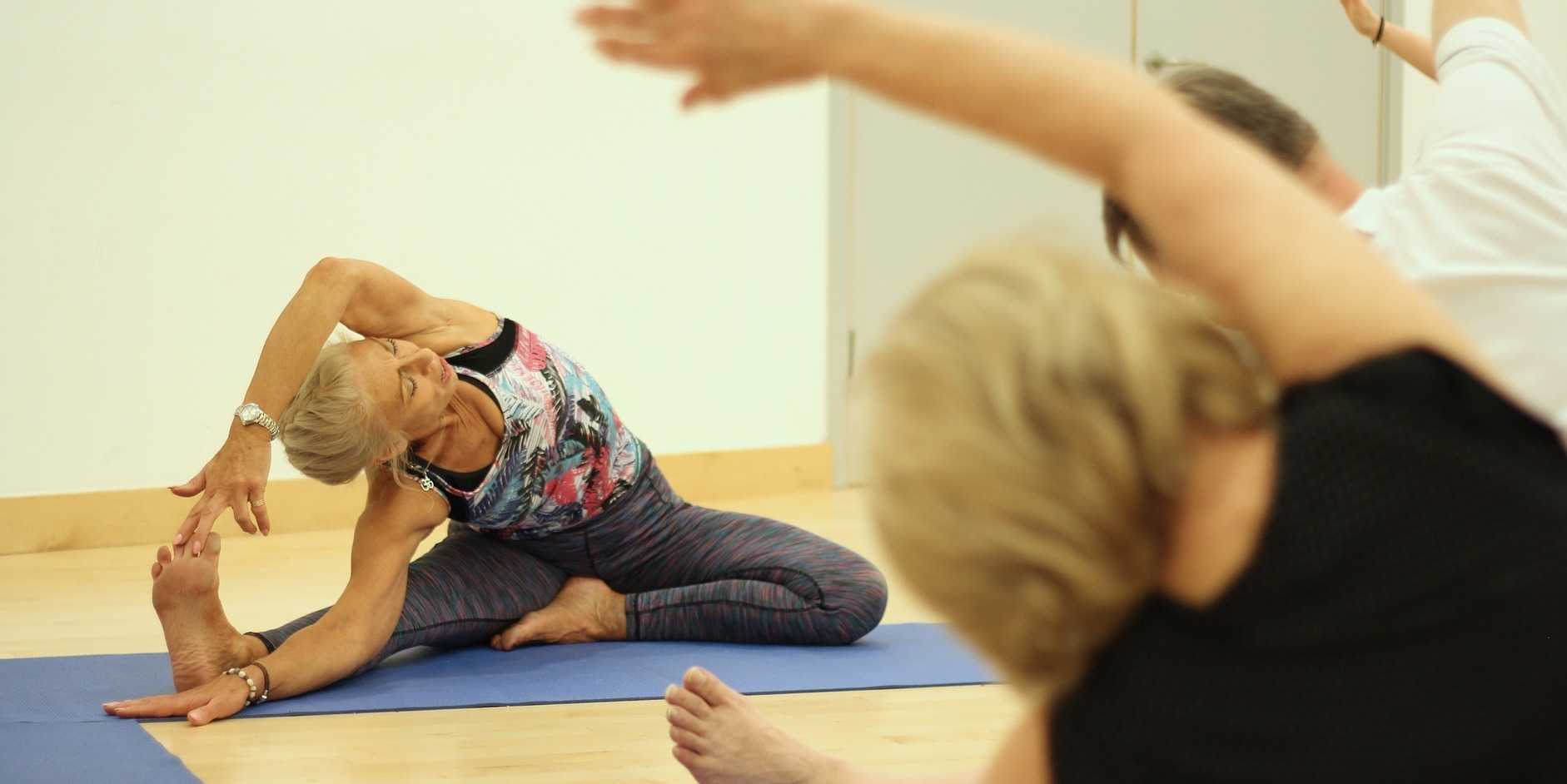
Through a blend of pre-recorded content and live instruction, participants explore the neuroscience behind burnout, empathy, and coping, and gain tools to reshape unhelpful patterns. The live portion of the course offers a deep dive into the relational dynamics, emotional boundaries, and the energy exchange that occurs in caregiving. Practices included in the course are yoga, guided meditation, and reflective planning to equip practitioners to reconnect with their purpose and learn to support healing, for themselves and their patients - through a whole-person, mind-body-spirit lens.
Explore the course and registration details here for the upcoming September 27-28th course:
👉 https://www.hermanwallace.com/continuing-education-courses/boundaries-self-care-and-meditation/remote-course-september-27-28-2025
Takeaways for Practitioners
|
Focus Area |
Why It Matters |
Implementation |
|
Boundaries |
Prevent burnout, preserve relationships |
Define work hours, communicate expectations, delegate parts of care |
|
Self‑Care |
Recharge emotional reserves |
Daily rituals (nature breaks, journaling, self-compassion practices) |
|
Meditation |
Build nervous system resilience |
Start MBSR, lead short guided breath/pelvic floor practices in clinic |
By weaving boundaries, self-care, and meditation into your professional toolkit, you’ll:
- Sustain long-term passion and energy
- Elevate your personal well-being and model healthy coping
- Deliver more effective pelvic rehab—treating the whole person, not just symptoms
If you're ready to protect your emotional well-being and deepen your clinical impact, the Boundaries, Self‑Care & Meditation course offers a structured, science-based path. Your patients—and life outside work—will thank you.
References:
- Ross, J (2019, May 14). A Healing Journey around Boundaries, Self-Care and Meditation: Part 1. The Pelvic Rehab Report. https://hermanwallace.com/blog/a-healing-journey-around-boundaries-self-care-and-meditation-part-1
- Herman & Wallace (2023, March 3). Boundaries, Self-Care, and Meditation: Getting Personal with Nari Clemons and Jennafer Vande Vegte. The Pelvic Rehab Report. https://hermanwallace.com/blog/boundaries-self-care-and-meditation-getting-personal-with-nari-clemons-and-jennafer-vande-vegte
- Ross, J (2023, July 21). When You Care Too Much: Boundaries, Self-Care, and Meditation. The Pelvic Rehab Report. https://hermanwallace.com/blog/when-you-care-too-much-boundaries-self-care-and-meditation
- Herman & Wallace (2022, April 6). What are Boundaries? The Pelvic Rehab Report. https://hermanwallace.com/blog/what-are-boundaries
- Krauss, J (2023, September 26). How Meditation Can Support Pelvic Health. Psychology Today. https://www.psychologytoday.com/us/blog/pain-and-the-whole-body/202309/how-meditation-can-support-pelvic-health
By accepting you will be accessing a service provided by a third-party external to https://www.hermanwallace.com/
All Upcoming Continuing Education Courses

Rehabilitative Ultrasound Imaging Pelvic Health Satellite Lab Course - Self-Hosted - April 17 - 19 2026
Apr 17 2026 - Apr 19 2026
Rehabilitative Ultrasound Imaging Pelvic Health Satellite Lab Course - Edmond OK - April 17 - 19 2026
Apr 17 2026 - Apr 19 2026

Pelvic Function Level 2B - Satellite - Bethpage NY - April 18 - 19 2026 - SOLD OUT
Apr 18 2026 - Apr 19 2026

Pelvic Function Level 1 - Satellite - Seattle WA - April 18 - 19 2026 - SOLD OUT
Apr 18 2026 - Apr 19 2026

Pelvic Function Level 1 - Satellite - Salt Lake City UT - April 18 - 19 2026 - SOLD OUT
Apr 18 2026 - Apr 19 2026
Pelvic Function Level 1 - Satellite - Newberg OR - April 18 - 19 2026 - SOLD OUT
Apr 18 2026 - Apr 19 2026

Menopause Transitions and Pelvic Rehab - Remote Course - April 18 - 19 2026
Apr 18 2026 - Apr 19 2026
Pelvic Function Level 1 - Satellite - Wichita KS - April 18 - 19 2026 - SOLD OUT
Apr 18 2026 - Apr 19 2026
Oncology of the Pelvic Floor Level 2A - Remote Course - April 18 - 19 2026
Apr 18 2026 - Apr 19 2026

Pelvic Function Level 1 - Satellite - St. Augustine FL - April 18 - 19 2026
Apr 18 2026 - Apr 19 2026

Pelvic Function Level 1 - Satellite - Minneapolis MN - April 18 - 19 2026 - SOLD OUT
Apr 18 2026 - Apr 19 2026



Pelvic Function Level 1 - Satellite - Colorado Springs CO - April 18 - 19 2026
Apr 18 2026 - Apr 19 2026







Pelvic Function Level 2B - Satellite - Nashotah WI - May 9 - 10 2026 - SOLD OUT
May 9 2026 - May 10 2026


Mobilization of the Myofascial Layer - Satellite Lab Course - Torrance CA - May 15 - 17 2026
May 15 2026 - May 17 2026
Mobilization of the Myofascial Layer - Satellite Lab Course Self-Hosted - May 15 - 17 2026
May 15 2026 - May 17 2026
Mobilization of the Myofascial Layer - Satellite Lab Course - McKinney TX - May 15 - 17 2026
May 15 2026 - May 17 2026
Mobilization of the Myofascial Layer - Satellite Lab Course - Bradenton FL - May 15 - 17 2026
May 15 2026 - May 17 2026

Mobilization of the Myofascial Layer - Satellite Lab Course - Atlanta GA - May 15 - 17 2026
May 15 2026 - May 17 2026

Pediatrics Level 2 - Adv Pediatric Bowel and Bladder Disorders - Remote Course - May 16 - 17 2026
May 16 2026 - May 17 2026

Pelvic Function Level 1 - In-Person - Bridgewater NJ - May 16 - 17 2026 - SOLD OUT
May 16 2026 - May 17 2026