


Allison Ariail, PT, DPT, CLT-LAANA, BCB-PMD is one of the creators of the Herman & Wallace Oncology of the Pelvic Floor Course Series. Allison Ariail is a physical therapist who started working in oncology in 2007 when she became certified as a lymphatic therapist. She worked with breast cancer, lymphedema patients, head and neck cancer patients, and the overall oncology team to work with the whole patient to help them get better. When writing these courses, Allison was part of a knowledgeable team that included Amy Sides and Nicole Dugan among others.
March is Colorectal Cancer Awareness Month. Did you know that the incidence rate of colorectal cancers is increasing? According to the International Agency for Research on Cancer, 1.9 million new cases of colorectal cancer were identified worldwide in 2020. This number is expected to grow even more. It is predicted that by 2040 the number of new cases of colorectal cancer will rise to 3.2 million new cases a year, and 1.6 million annual deaths worldwide. Additionally, did you know due to the fact that the incidence rate is increasing and it is being diagnosed in younger individuals, the age for screening for colorectal cancer has lowered to 45? At age 45 individuals should begin regular screening for colorectal cancer either via stool-based testing or visual-based screening via a colonoscopy. If someone has risk factors they may need to begin screening at a younger age.
Colorectal cancer can often be preventable through modifiable risk factors. Changing some of these risk factors, alongside the detection and removal of precancerous lesions can lower someone's risks. However, if a diagnosis is made, treatment can help to prolong the life of the patient. The treatment can include various surgeries, chemotherapy, and radiation. All of these treatments can cause changes to a patient's body. A rehab professional that has knowledge about both the body and how the medical treatment of cancer causes changes, can make all the difference in the world for that patient returning to activities that they enjoy and love after treatment.
There are not many opportunities for rehab professionals to learn about these changes and how we can help these patients. However, Herman & Wallace has a series focused on helping oncology patients. In this series, techniques are learned that can help colorectal cancer patients recover from their diagnosis and the medical treatment they go through. The oncology series is online and offered several times a year. You can attend the upcoming oncology courses on: Oncology of the Pelvic Floor Level 1 scheduled for July 8-9 and December 2-3, Level 2A scheduled for May 20--21, and Level 2B scheduled for December 9-10.
Reference:
Morgan E, Arnold M, Gini A, et al. Global burden of colorectal cancer in 2020 and 2040: incidence and mortality estimates from GLOBOCAN. Colon. 2023; 72(2).
*Certified Lymphatic Therapists may skip Oncology of the Pelvic Floor Level 1 and move on to the Level 2A and Level 2B courses.*

Oncology of the Pelvic Floor Level 1 - no partner needed for registration
Price: $550.00 Experience Level: Beginner Contact Hours: 17.5 hours
The course will address issues that are commonly seen in a patient who has been diagnosed with cancer such as cardiotoxicity, peripheral neuropathy, and radiation fibrosis. Some holistic medicine topics, including yoga and mindfulness, will be discussed in order to fully prepare the participant to be able to competently work with cancer survivors.
The basics of the lymphatic system will be covered, as well as when to refer the patient to a lymphatic specialist for further treatment. Red flags and warning symptoms will be discussed so the participant feels comfortable with knowing when to refer the patient back to their medical provider for further assessment.
This introductory course is aimed to get the participant comfortable with working with oncology patients and as part of an interdisciplinary oncology team.
Course Dates: July 8-9 and December 2-3

Oncology of the Pelvic Floor Level 2A - partner needed for registration
Price: $495.00 Experience Level: Intermediate Contact Hours: 17.25 hours
This course was designed to build on the information that was presented in Oncology of the Pelvic Floor Level 1.
Information will be provided focusing on male pelvic cancers, colorectal cancer, and anal cancer including risk factors, diagnosis, and prognosis. The participant will also understand the sequelae of the medical treatment of cancer and how this can impact a patient's body and quality of life. Other topics include rehabilitation and nutritional aspects focusing on these specific cancers, as well as home program options that patients can implement as an adjunct to therapy.
Course Dates: May 20--21

Oncology of the Pelvic Floor Level 2B - partner needed for registration
Price: $600.00 Experience Level: Intermediate Contact Hours: 19.25 hours
This course was designed to build on the information that was presented in Oncology of the Pelvic Floor Level 1.
Information will be provided focusing on gynecological and bladder cancers including risk factors, diagnosis, and prognosis. The participant will also understand the sequelae of the medical treatment of cancer and how this can impact a patient’s body and quality of life. Other topics include rehabilitation and nutritional aspects focusing on these specific cancers, as well as home program options that patients can implement as an adjunct to therapy.
Course Dates: December 9-10
All Upcoming Continuing Education Courses

Pelvic Function Level 1 - Satellite - Milwaukee WI - July 27 - 28 2024 - SOLD OUT
Jul 27 2024 - Jul 28 2024

Pelvic Function Level 1 - Satellite - Staten Island NY - July 27 - 28 2024 - SOLD OUT
Jul 27 2024 - Jul 28 2024

Pelvic Function Level 1 - Satellite - Indianapolis IN - July 27 - 28 2024
July 27 2024 - July 28 2024

Pelvic Function Level 1 - Satellite - Newtown PA - July 27 - 28 2024 - SOLD OUT
Jul 27 2024 - Jul 28 2024

Biofeedback for Pelvic Muscle Dysfunction Satellite Lab Course - Self-Hosted - July 28 2024
Jul 28 2024



Pelvic Function Level 2B - Satellite - Apex NC - August 3 - 4 2024 - SOLD OUT
Aug 3 2024 - Aug 4 2024




Pelvic Function Level 1 - In-Person - Louisville KY - August 10 - 11 2024 - SOLD OUT
Aug 10 2024 - Aug 11 2024

Pelvic Function Level 1 - Satellite - Paso Robles CA - August 10 - 11 2024 - SOLD OUT
Aug 10 2024 - Aug 11 2024

Pelvic Function Level 1 - In Person - Decatur GA - August 10 - 11 2024 - SOLD OUT
Aug 10 2024 - Aug 11 2024
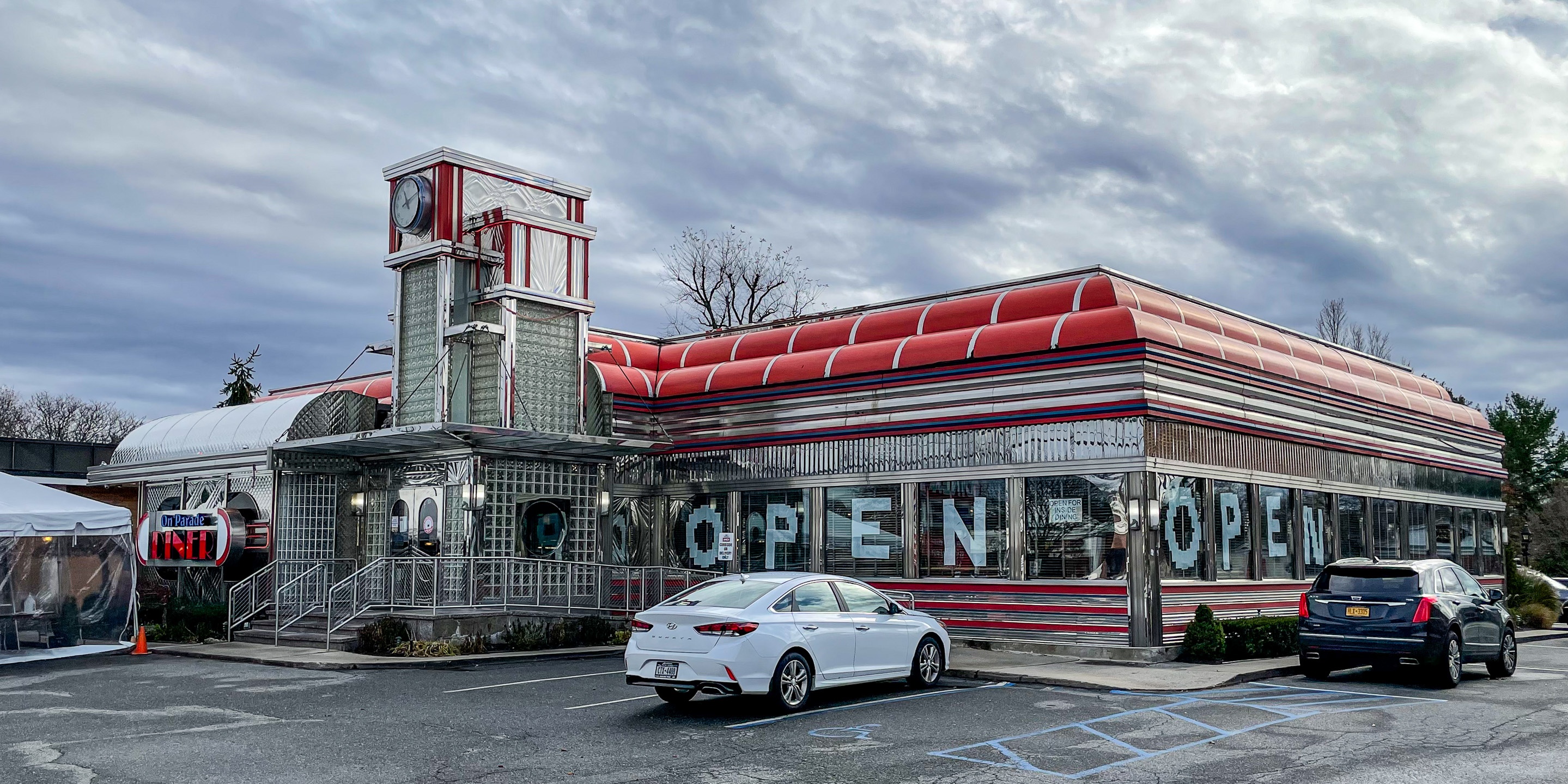

Pelvic Function Level 1 - Satellite - Chicago IL - August 10 - 11 2024 - SOLD OUT
Aug 10 2024 - Aug 11 2024

Pelvic Function Level 1 - Satellite - Frankfort IL - August 10 - 11 2024 - SOLD OUT
Aug 10 2024 - Aug 11 2024

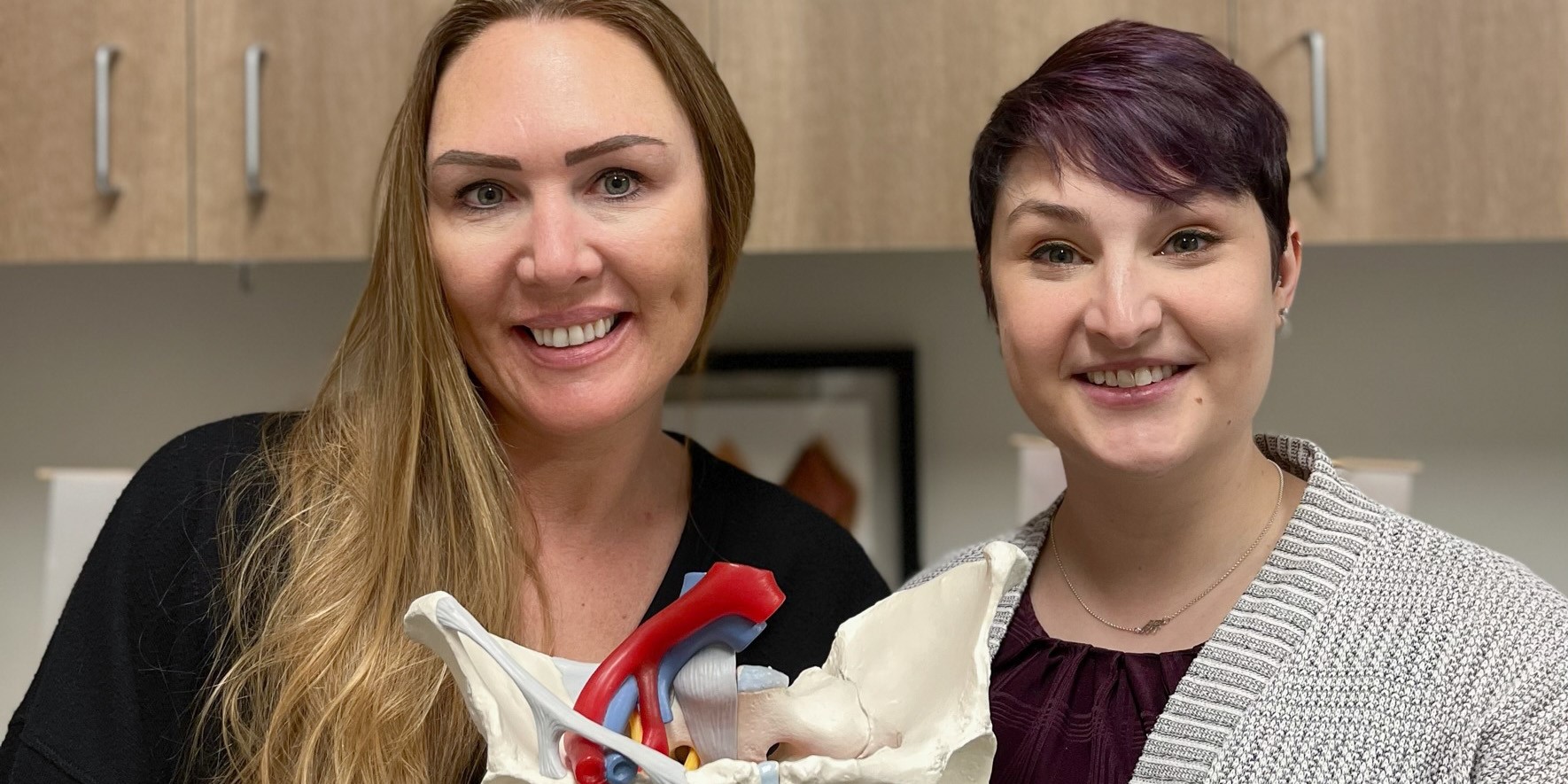
Pain Science for the Chronic Pelvic Pain Population - Remote Course - August 17 - 18 2024
Aug 17 2024 - Aug 18 2024
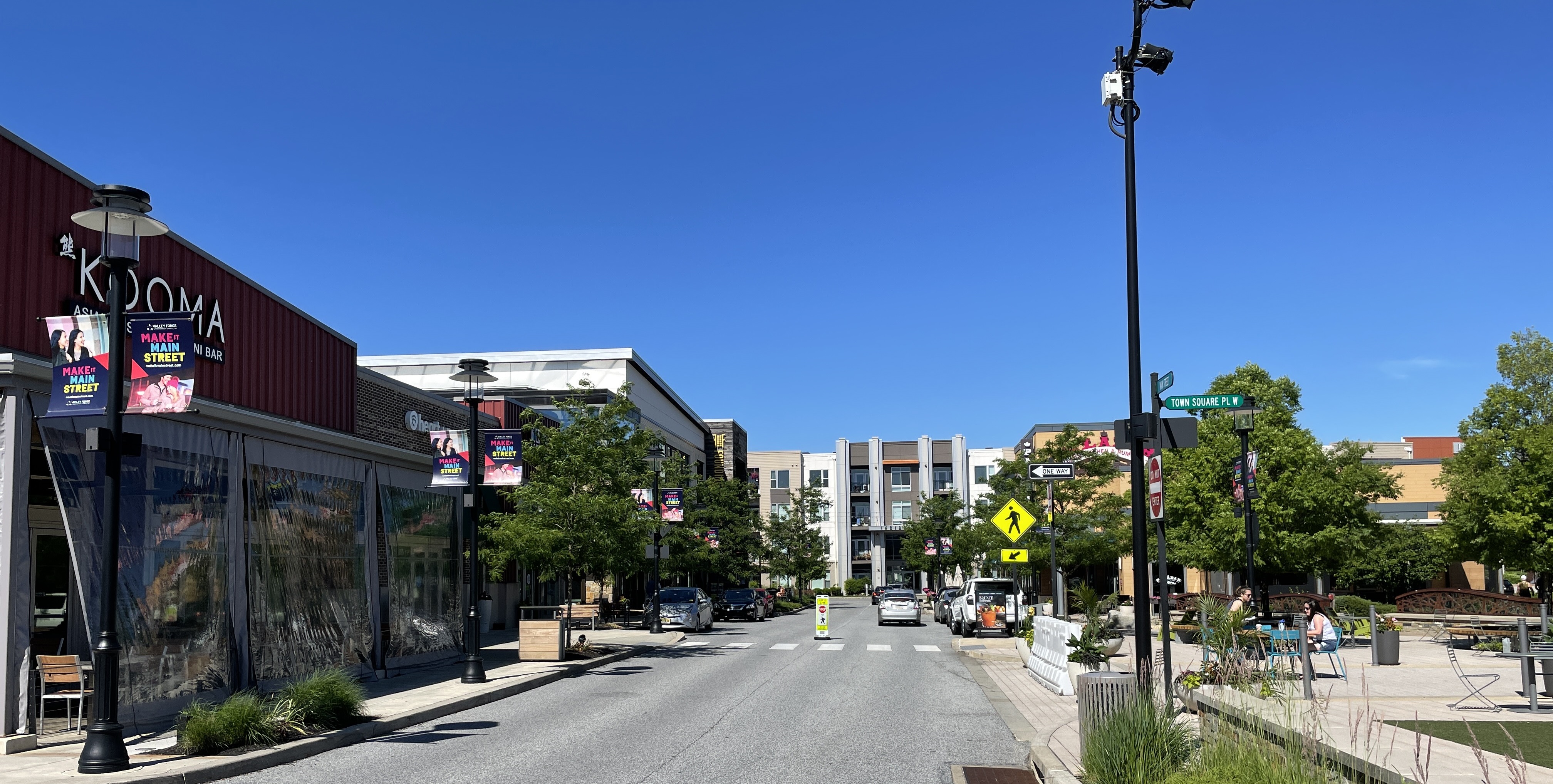
Pelvic Function Series Capstone - King of Prussia PA - August 17 - 18 2024
Aug 17 2024 - Aug 18 2024






Pharmacologic Considerations for the Pelvic Health Provider - Remote Course - August 17 2024
Aug 17 2024



Menopause Transitions and Pelvic Rehab - Remote Course - August 24 - 25 2024
Aug 24 2024 - Aug 25 2024


Pediatrics Level 1 - Treatment of Bowel and Bladder Disorders - Remote Course - August 24 - 25 2024
Aug 24 2024 - Aug 25 2024

Modalities and Pelvic Function - In Person - Manchester NH - August 24 - 25 2024
Aug 24 2024 - Aug 25 2024

Pelvic Function Level 1 - Satellite - Bradenton FL - August 24 - 25 2024 - SOLD OUT
Aug 24 2024 - Aug 25 2024


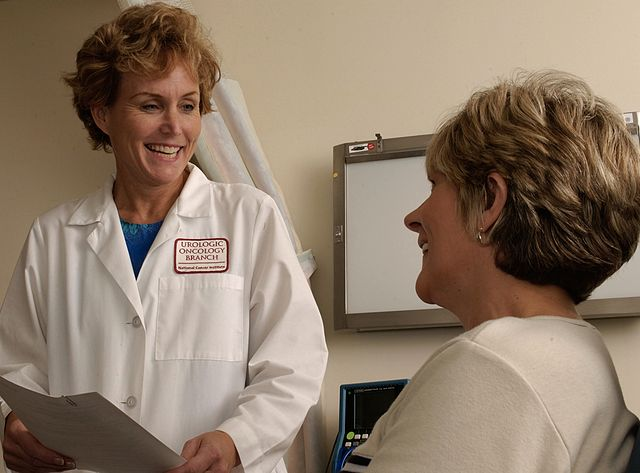
Oncology of the Pelvic Floor Level 2A - Remote Course - September 7 - 8 2024
Sep 7 2024 - Sep 8 2024

Pelvic Function Level 1 - Satellite - Milwaukee WI - September 7 - 8 2024 - SOLD OUT
Sep 7 2024 - Sep 8 2024

Pelvic Function Level 1 - Satellite - Greenville SC - September 7 - 8 2024 - SOLD OUT
Sep 7 2024 - Sep 8 2024

Pelvic Function Level 1 - Satellite - Queens NY - September 7 - 8 2024 - SOLD OUT
Sep 7 2024 - Sep 8 2024

Pelvic Function Level 1 - In Person - Philadelphia PA - September 7 - 8 2024 - SOLD OUT
Sep 7 2024 - Sep 8 2024