A new peer-reviewed publication in the Journal of Women’s & Pelvic Health Physical Therapy expands the evidence base for non-surgical, patient-centered care.
By Rachna Mehta, PT, DPT, CIMT, OCS, PRPC, RYT 200
Herman & Wallace Faculty Member
We are thrilled to share exciting news from Herman & Wallace faculty member Rachna Mehta, PT, DPT, CIMT, OCS, PRPC, RYT 200. Rachna has co-authored a new case report published in the Journal of Women’s & Pelvic Health Physical Therapy, alongside her colleague Becky Parr, PT, DPT, DHSc, OCS, Cert. DN, CAPP-OB.
NEW PUBLICATION
Conservative Management of Rectal Prolapse: An Integrative Physical Therapy Approach
Rachna Mehta, PT, DPT, CIMT, OCS, PRPC, RYT 200 & Becky Parr, PT, DPT, DHSc, OCS, Cert. DN, CAPP-OB
Journal of Women’s & Pelvic Health Physical Therapy, January 2026
This case report highlights a conservative, integrative physical therapy approach to managing rectal prolapse using acupressure combined with traditional pelvic floor rehabilitation. Severe rectal prolapse is a condition frequently viewed as primarily surgical in nature, often leaving older adults or those who are not ideal surgical candidates with limited options.
“This work helps expand the evidence for non-surgical, patient-centered options, particularly for older adults or those who are not ideal surgical candidates.”
— Rachna Mehta
By documenting this integrative case, Rachna and her co-author have contributed meaningfully to the growing body of evidence supporting complementary and conservative approaches within pelvic health physical therapy. This publication reflects the kind of whole-person, evidence-informed care that Rachna has championed throughout her career.
This publication is a natural extension of Rachna’s clinical expertise and her ongoing work bridging Traditional Chinese Medicine principles including acupressure and meridian theory with contemporary pelvic floor rehabilitation. Her Herman & Wallace course, Acupressure for Optimal Pelvic Health, has introduced countless clinicians to this integrative framework.
About the Author
Rachna Mehta, PT, DPT, CIMT, OCS, PRPC, RYT 200
Herman & Wallace Faculty Member · Columbia University, DPT · Board-Certified in Orthopedics · Certified Pelvic Rehab Practitioner · Registered Yoga Teacher
Rachna graduated from Columbia University with her Doctor of Physical Therapy degree and has spent over 15 years practicing in outpatient hospital and private practice settings with a dual focus on orthopedics and pelvic health. She was instrumental in founding one of the first Women’s Health Programs in an outpatient orthopedic clinic setting in Mercer County, New Jersey in 2009. Rachna also owns TeachPhysio, a PT education and management consulting company. Her clinical approach blends traditional physical therapy with holistic practices that address the whole person physically, mentally, emotionally, and spiritually.
Learn from Rachna
Explore Rachna’s course Acupressure for Optimal Pelvic Health and bring integrative acupressure into your pelvic health practice.
View Rachna’s Courses at Herman & Wallace →
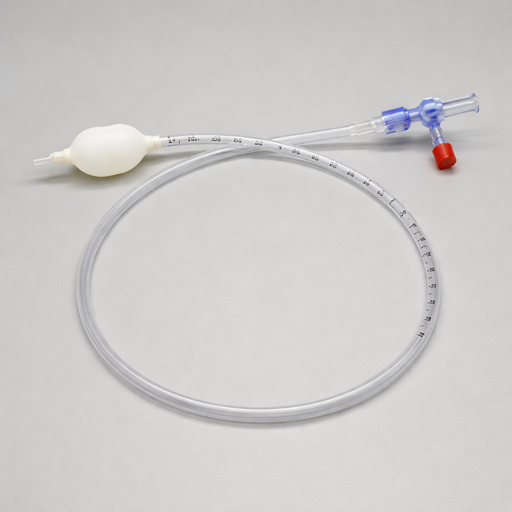

Anorectal balloon catheter training is one of the most underrated but helpful treatments for people with pelvic floor symptoms related to bowel dysfunction. This is a tool that many clinicians don’t know about or are afraid to initiate with their clients. Clinicians wonder if clients will be receptive, how to use an anorectal balloon catheter efficiently, and frequently wonder what cases are appropriate for this specific modality. Anorectal balloon catheter training is a versatile treatment helping patients with pelvic floor conditions that stem from hyposensitivity or hypersensitivity in the rectal canal.
Rehab clinicians can use anorectal balloon catheters to help with defecation training, anorectal sensory training, coordination training, and resistance training that can improve symptoms for individuals with fecal incontinence, fecal urgency, and chronic constipation as well as other colorectal diagnoses. This modality can be used to improve the coordination between the pelvic floor muscles and the abdominal muscles to assist in defecation training. It also can help a patient learn what the urge to have a bowel movement should feel like, especially if they have altered sensation in the anal canal.
An anorectal balloon is a form of biofeedback to use with pelvic floor patients. During treatment, an anorectal balloon is placed in the rectal canal. The balloon can hold 400 mL but filling volumes are typically much lower. The balloon is then filled with air and the amount of air is altered in order to help retrain sensation in the anorectal area. Before implementing this treatment technique in a patient’s plan of care, there are a few steps a rehabilitation provider should take.
First, patients should be screened to make sure they are good candidates for this treatment. This includes internal muscle assessment of the rectal canal prior to implementing training. Detailed patient education on the purpose and procedure of training with an anorectal balloon catheter should be provided. Patients may have some experience with anorectal manometry and may need their therapist to differentiate how manometry testing is for assessment purposes, but balloon training is a biofeedback tool.
Once this treatment is decided upon, the therapist will begin by getting some baseline measurements. These include the first feeling of sensation of the balloon filling, the first urge to defecate, and then their maximum tolerance. These baselines give a provider information on how to proceed with treatment. It is helpful to have norms readily available to be able to compare your patient’s readings to. Caution should be taken when working with patients who have had lower bowel surgeries and pediatric patients, avoiding maximum values beyond a certain value.
With proper consideration of the baseline measurements of sensation levels, a treatment plan can be developed with the use of anorectal balloon training to improve sensation and awareness in the anorectal area. Sensation is trained via inflations and deflations of the balloon to assist in feedback to allow the patient to recognize what normal range values feel like.
Anorectal Balloon Catheters - Intro and Practical Application is a mini-course offered by Herman & Wallace to help providers feel comfortable screening patients for their eligibility for this intervention. The course will assist in helping practitioners to feel confident in providing this treatment with appropriate patients. This class is built with treatment in mind, and intended for therapists who have some exposure to the concept of anorectal assessment and treatment but want to learn more ways to apply this technique to their clients. This class includes didactic information and hands-on lab practice in the privacy of participant’s own space, to help bring this skill to their clinical practice. The next offering of this course is:
https://hermanwallace.com/continuing-education-courses/anorectal-balloon-catheters/
All Upcoming Continuing Education Courses

Rehabilitative Ultrasound Imaging Pelvic Health Satellite Lab Course - Self-Hosted - April 17 - 19 2026
Apr 17 2026 - Apr 19 2026

Rehabilitative Ultrasound Imaging Pelvic Health Satellite Lab Course - Edmond OK - April 17 - 19 2026
Apr 17 2026 - Apr 19 2026

Pelvic Function Level 2B - Satellite - Bethpage NY - April 18 - 19 2026 - SOLD OUT
Apr 18 2026 - Apr 19 2026

Pelvic Function Level 1 - Satellite - Seattle WA - April 18 - 19 2026 - SOLD OUT
Apr 18 2026 - Apr 19 2026

Pelvic Function Level 1 - Satellite - Salt Lake City UT - April 18 - 19 2026 - SOLD OUT
Apr 18 2026 - Apr 19 2026
Pelvic Function Level 1 - Satellite - Newberg OR - April 18 - 19 2026 - SOLD OUT
Apr 18 2026 - Apr 19 2026

Menopause Transitions and Pelvic Rehab - Remote Course - April 18 - 19 2026
Apr 18 2026 - Apr 19 2026
Pelvic Function Level 1 - Satellite - Wichita KS - April 18 - 19 2026 - SOLD OUT
Apr 18 2026 - Apr 19 2026

Oncology of the Pelvic Floor Level 2A - Remote Course - April 18 - 19 2026
Apr 18 2026 - Apr 19 2026
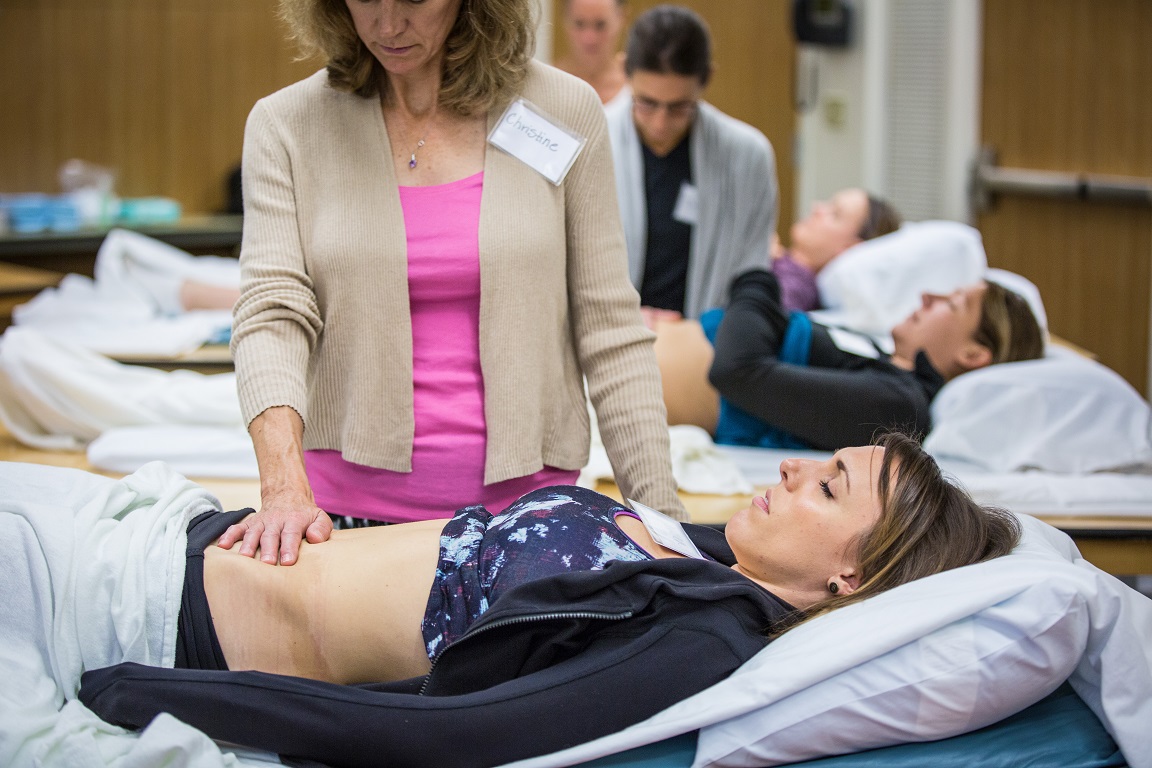

Pelvic Function Level 1 - Satellite - St. Augustine FL - April 18 - 19 2026
Apr 18 2026 - Apr 19 2026

Pelvic Function Level 1 - Satellite - Minneapolis MN - April 18 - 19 2026 - SOLD OUT
Apr 18 2026 - Apr 19 2026



Pelvic Function Level 1 - Satellite - Colorado Springs CO - April 18 - 19 2026
Apr 18 2026 - Apr 19 2026

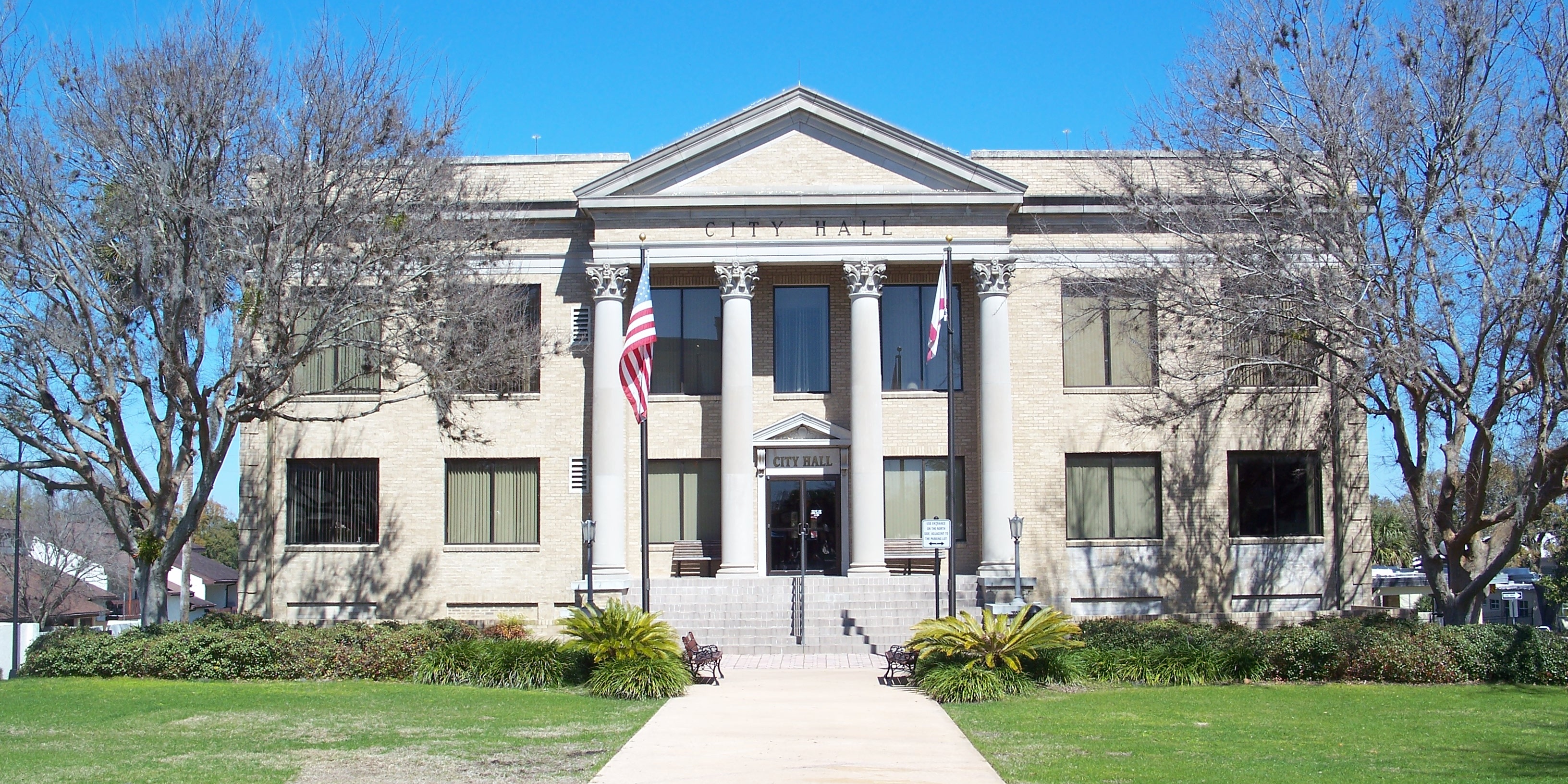




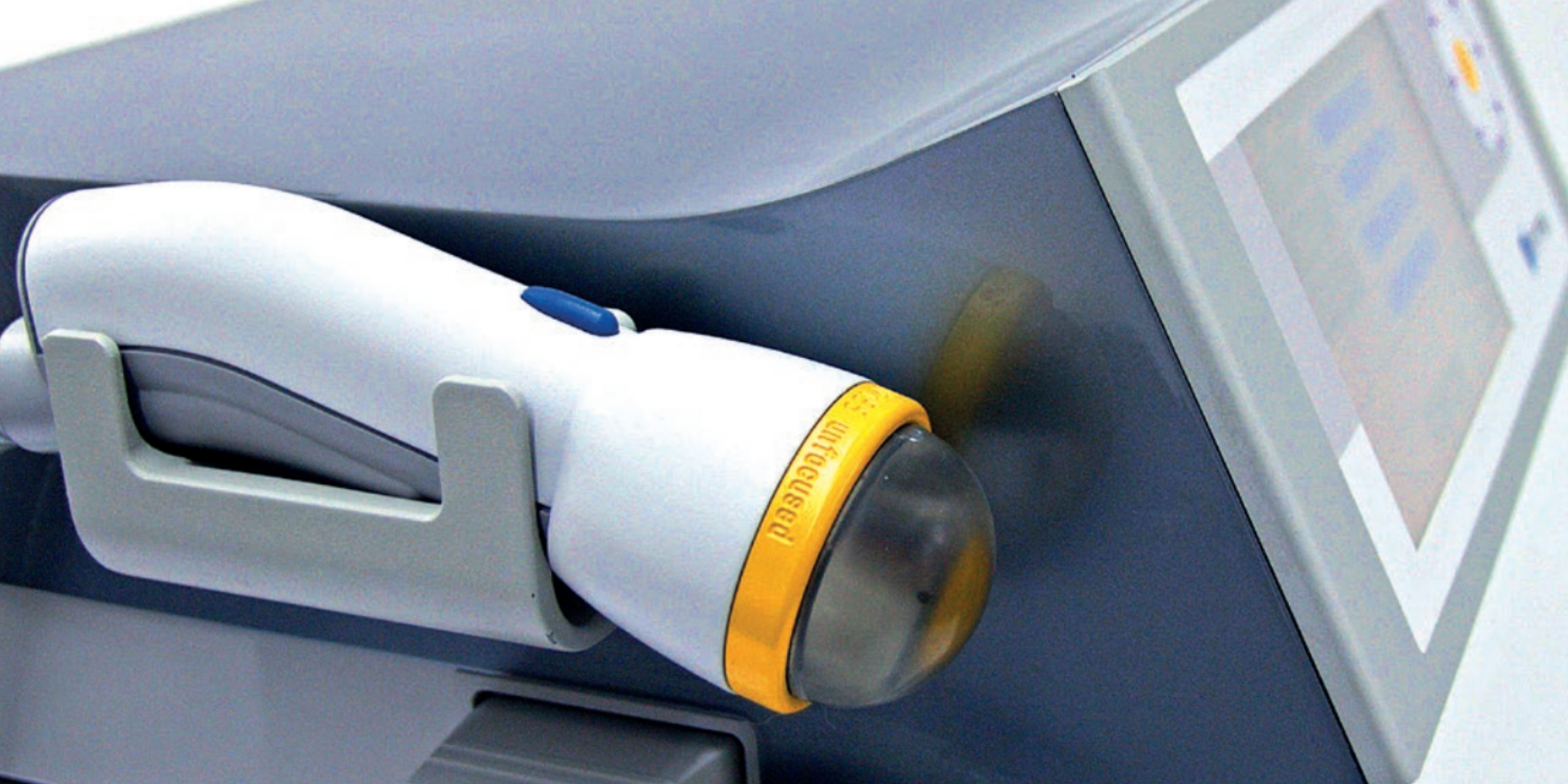


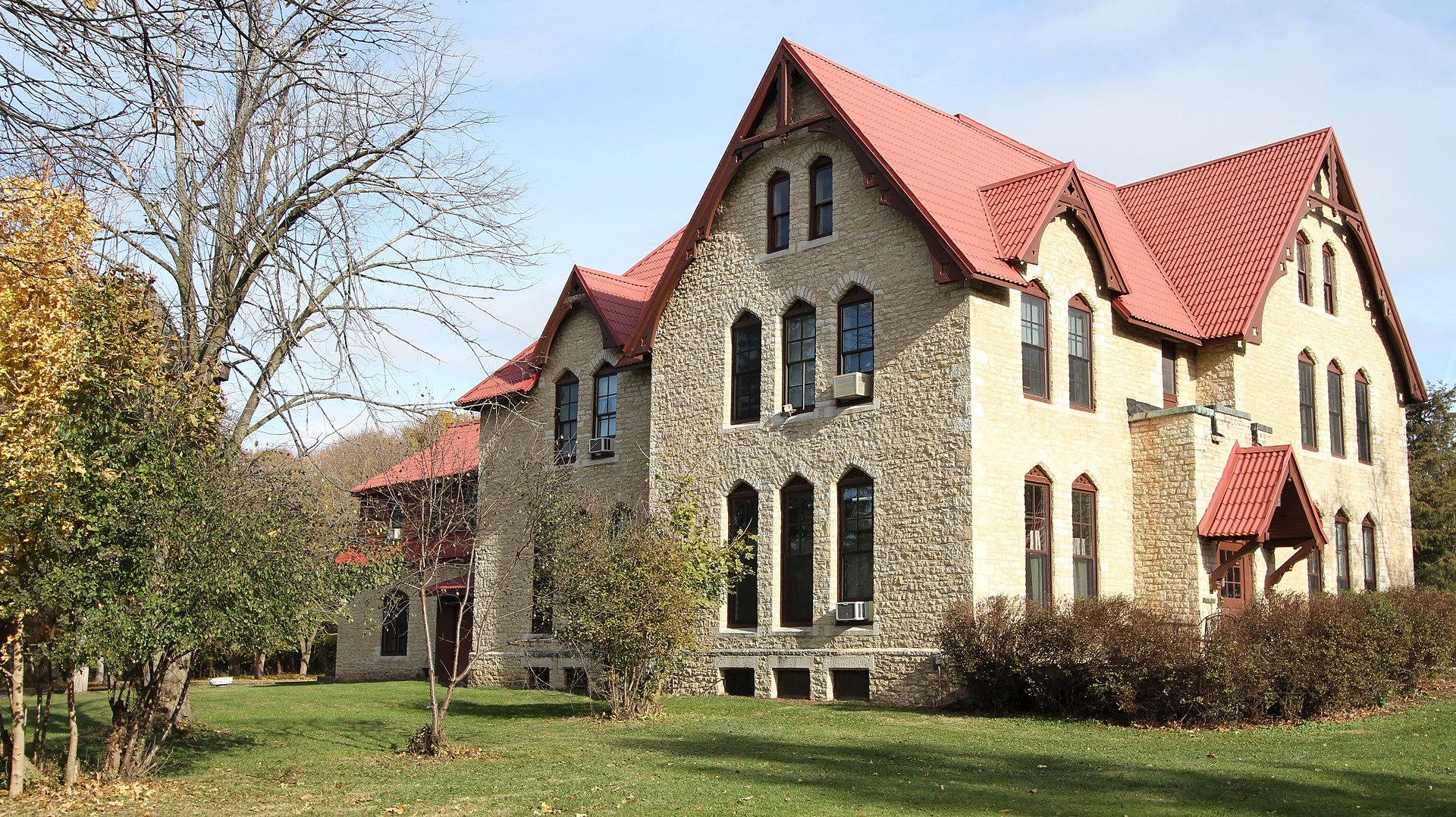
Pelvic Function Level 2B - Satellite - Nashotah WI - May 9 - 10 2026 - SOLD OUT
May 9 2026 - May 10 2026


Mobilization of the Myofascial Layer - Satellite Lab Course - Torrance CA - May 15 - 17 2026
May 15 2026 - May 17 2026
Mobilization of the Myofascial Layer - Satellite Lab Course Self-Hosted - May 15 - 17 2026
May 15 2026 - May 17 2026

Mobilization of the Myofascial Layer - Satellite Lab Course - McKinney TX - May 15 - 17 2026
May 15 2026 - May 17 2026

Mobilization of the Myofascial Layer - Satellite Lab Course - Bradenton FL - May 15 - 17 2026
May 15 2026 - May 17 2026

Mobilization of the Myofascial Layer - Satellite Lab Course - Atlanta GA - May 15 - 17 2026
May 15 2026 - May 17 2026

Pediatrics Level 2 - Adv Pediatric Bowel and Bladder Disorders - Remote Course - May 16 - 17 2026
May 16 2026 - May 17 2026
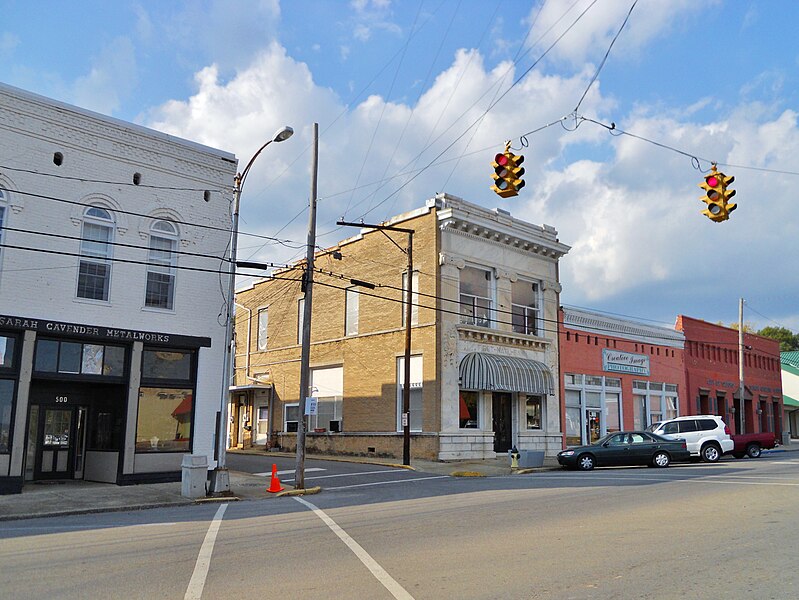

Pelvic Function Level 1 - In-Person - Bridgewater NJ - May 16 - 17 2026 - SOLD OUT
May 16 2026 - May 17 2026