
Upcoming Courses Near You

Finding courses near you...

Medications Matter: Pharmacology for the Pelvic Health Provider

Medications Matter: Pharmacology for the Pelvic Health Provider
Pharmacologic Considerations Banner 1360x440

At a Glance

Most patients seeking care for pelvic floor dysfunction are taking one or more medications, and those medications can contribute to, or even cause, the symptoms that bring them to therapy. Herman & Wallace faculty member Kristina Koch, PT, DPT, CLT, PCES created the course Pharmacologic Considerations for the Pelvic Health Provider to help clinicians recognize medication effects, review medications safely within their scope of practice, and collaborate confidently with prescribing providers. The next offering is a one day remote course on Saturday, September 12, 2026.

Picture a typical day on a pelvic health caseload. A patient with overactive bladder arrives on an anticholinergic. A patient with chronic pelvic pain is taking an antidepressant and an opioid. A postpartum patient mentions she just started a GLP-1 medication, and an older adult with urinary urgency hands you a medication list that fills an entire page. Every one of those prescriptions can influence bladder function, bowel motility, muscle performance, pain perception, or sexual health, which means every one of them can influence the outcome of pelvic rehabilitation.

Pharmacologic agents are often a first line treatment for pelvic floor dysfunction, and most patients who arrive in a pelvic rehab clinic are already taking one or more medications. The clinician who understands what those medications do, and what they can cause, is better equipped to interpret symptoms accurately, adjust the plan of care, and communicate with the rest of the medical team.

Why Pharmacology Belongs in Pelvic Rehab Practice

Medications can be the hidden variable in a patient's presentation. Conditions commonly seen in pelvic rehabilitation, including overactive bladder, painful bladder syndrome, chronic pelvic pain, and constipation, are frequently managed with medications that act on neuromuscular function, pain processing, hormonal balance, and urologic or gastrointestinal physiology. When a patient is not progressing as expected, the explanation may not be in the muscles at all. It may be in the medicine cabinet. Direct access has also raised the stakes. As more patients enter physical and occupational therapy without seeing a physician first, rehabilitation providers carry more responsibility for screening, safety, and recognizing when a symptom pattern points back to a drug effect rather than a musculoskeletal cause.

How Medications Affect Pelvic Floor Function

Medications influence pelvic health in more ways than most clinicians realize. Common examples include:

  • Opioids that slow gut motility and drive constipation
  • Antidepressants that can alter sexual function, arousal, and continence
  • Anticholinergics prescribed for urinary symptoms that carry cognitive and systemic side effects, particularly in older adults
  • Hormonal medications that influence tissue quality and pain sensitivity
  • Newer agents, including GLP-1 receptor agonists, that change gastrointestinal transit in ways that show up directly in bowel and bladder symptoms

The same drug can be both treatment and culprit. A medication prescribed to calm an overactive bladder may dry the mouth and slow the bowel, and the resulting constipation can worsen the very urinary symptoms it was meant to treat. Recognizing these loops allows the pelvic health provider to tailor interventions, modify exercise and behavioral strategies around a patient's medication profile, and flag concerns to the prescribing provider.

What the Research Shows

Provider knowledge has not kept pace with prescribing. A 2017 study by Araklitis, Thiagamoorthy, Hunter, Rantell, Robinson, and Cardozo found limited knowledge among health care professionals regarding anticholinergic load, the cumulative burden of anticholinergic medications that can impact cognitive functioning in the elderly.1

Anticholinergic medications are among the most common treatments for urinary dysfunction, which makes this knowledge gap directly relevant for every pelvic health clinician.

While managing medications is not within the scope of practice for rehabilitation therapists, reviewing them is a duty. That means reviewing patient medications at the initial evaluation and on an ongoing basis, watching for side effects that mimic or worsen pelvic floor dysfunction, assessing how medications may be affecting treatment response, and communicating clearly with referral sources and primary care providers when something does not add up.

Inside the Course

Kristina Koch, PT, DPT, CLT, PCES created Pharmacologic Considerations for the Pelvic Health Provider to close this gap. Taught by live instructor via Zoom, this one day remote course covers:

  • Medications used for the treatment of pelvic floor and genitourinary conditions
  • Common side effects of medications routinely used for pelvic floor dysfunction
  • Medications for constipation and GI dysfunction
  • Medications for pelvic pain conditions including vulvodynia, chronic prostatitis, and endometriosis
  • Medications and side effects in gender-affirming care for patients who are transitioning
  • Drug interactions and non-pharmacologic alternatives for pelvic and reproductive health
  • Communicating effectively with referral sources and primary care providers about medications

Because the course is remote, registrants can attend solo from home or the clinic, with no partner or lab group required. The material is also a strong review for clinicians preparing for the Pelvic Rehabilitation Practitioner Certification (PRPC) exam, where pharmacology is one of the tested domains.

Continuing Education

Pharmacologic Considerations for the Pelvic Health Provider

A one day remote course covering medications used to treat pelvic floor and genitourinary conditions, common side effects, drug interactions, and non-pharmacologic alternatives, taught by live instructor via Zoom.
Format: Remote course  ·  Date: Saturday, September 12, 2026  ·  Instructor: Kristina Koch, PT, DPT, CLT, PCES
Registrants can attend solo and do not need a partner or lab group.

Register for September 12, 2026 →

Frequently Asked Questions

Who should take Pharmacologic Considerations for the Pelvic Health Provider?

The course is designed for physical therapists, occupational therapists, physical therapist assistants, occupational therapist assistants, registered nurses, nurse midwives, and other rehabilitation professionals who treat pelvic floor dysfunction and want a stronger working knowledge of the medications their patients take. It is also valuable preparation for clinicians studying for the PRPC exam.

Is this course offered remotely?

Yes. Pharmacologic Considerations for the Pelvic Health Provider is a one day remote course taught by a live instructor via Zoom on Saturday, September 12, 2026. Registrants can attend solo and do not need a partner or lab group.

Can rehabilitation therapists manage patient medications?

No. Managing medications is not within the scope of practice for rehabilitation therapists. However, therapists have a duty to review patient medications at the initial evaluation and on an ongoing basis, assess their impact on treatment and outcomes, and communicate with prescribing providers to ensure patient safety.

What conditions does the course cover?

Course content addresses medications for pelvic floor and genitourinary conditions, constipation and GI dysfunction, pelvic pain conditions including vulvodynia, chronic prostatitis, and endometriosis, and medications and side effects in gender-affirming care, along with drug interactions and non-pharmacologic alternatives.

References

  1. Araklitis G, Thiagamoorthy G, Hunter J, Rantell A, Robinson D, Cardozo L. Anticholinergic prescription: are healthcare professionals the real burden? Int Urogynecol J. 2017;28(8):1249–1256. https://doi.org/10.1007/s00192-016-3258-3

About Kristina

Kristina Koch, PT, DPT, CLT, PCES, is a board-certified clinical specialist in women's health physical therapy and a certified lymphedema therapist. She has been treating pelvic health conditions in individuals of all ages and genders since 2001 and works in private practice in Colorado Springs, Colorado. Kristina has helped establish women's health and pelvic floor physical therapy programs in San Diego, California and Colorado Springs, serves as a guest lecturer for the pelvic health curriculum at Regis University in Denver, and has lectured for third year medical students at the University of Colorado, Colorado Springs campus. She joined the Herman & Wallace faculty in 2019 and is the creator of Pharmacologic Considerations for the Pelvic Health Provider.

{ "@context": "https://schema.org", "@type": "FAQPage", "mainEntity": [ {"@type": "Question", "name": "Who should take Pharmacologic Considerations for the Pelvic Health Provider?", "acceptedAnswer": {"@type": "Answer", "text": "The course is designed for physical therapists, occupational therapists, physical therapist assistants, occupational therapist assistants, registered nurses, nurse midwives, and other rehabilitation professionals who treat pelvic floor dysfunction and want a stronger working knowledge of the medications their patients take. It is also valuable preparation for clinicians studying for the PRPC exam."}}, {"@type": "Question", "name": "Is this course offered remotely?", "acceptedAnswer": {"@type": "Answer", "text": "Yes. Pharmacologic Considerations for the Pelvic Health Provider is a one day remote course taught by a live instructor via Zoom on Saturday, September 12, 2026. Registrants can attend solo and do not need a partner or lab group."}}, {"@type": "Question", "name": "Can rehabilitation therapists manage patient medications?", "acceptedAnswer": {"@type": "Answer", "text": "No. Managing medications is not within the scope of practice for rehabilitation therapists. However, therapists have a duty to review patient medications at the initial evaluation and on an ongoing basis, assess their impact on treatment and outcomes, and communicate with prescribing providers to ensure patient safety."}}, {"@type": "Question", "name": "What conditions does the course cover?", "acceptedAnswer": {"@type": "Answer", "text": "Course content addresses medications for pelvic floor and genitourinary conditions, constipation and GI dysfunction, pelvic pain conditions including vulvodynia, chronic prostatitis, and endometriosis, and medications and side effects in gender-affirming care, along with drug interactions and non-pharmacologic alternatives."}} ] } { "@context": "https://schema.org", "@type": "Course", "name": "Pharmacologic Considerations for the Pelvic Health Provider", "description": "A one day remote continuing education course covering medications used to treat pelvic floor and genitourinary conditions, common side effects, drug interactions, and non-pharmacologic alternatives. Taught by live instructor via Zoom by Kristina Koch, PT, DPT, CLT, PCES.", "provider": {"@type": "Organization", "name": "Herman & Wallace Pelvic Rehabilitation Institute", "url": "https://hermanwallace.com"}, "url": "https://hermanwallace.com/continuing-education-courses/pharmacologic-considerations-for-the-pelvic-health-provider/remote-course-september-12-2026", "hasCourseInstance": { "@type": "CourseInstance", "courseMode": "online", "startDate": "2026-09-12", "endDate": "2026-09-12", "instructor": {"@type": "Person", "name": "Kristina Koch, PT, DPT, CLT, PCES"}, "location": {"@type": "VirtualLocation", "url": "https://hermanwallace.com/continuing-education-courses/pharmacologic-considerations-for-the-pelvic-health-provider/remote-course-september-12-2026"} } }
Continue reading

Pelvic Floor Dysfunction Awareness Month: Why Clinician Training Matters

Pelvic Floor Dysfunction Awareness Month: Why Clinician Training Matters
pfd awareness month banner

August is Pelvic Floor Dysfunction Awareness Month. Pelvic Floor Dysfunction (PFD) affects millions of people worldwide, yet many individuals remain undiagnosed because symptoms are often misunderstood or overlooked. For the rehabilitation profession, the awareness gap is also a workforce gap: the number of people who need pelvic health care far exceeds the number of clinicians trained to provide it. This August is the right moment for clinicians to look at the numbers and consider what specialized training could mean for their patients and their practice.

How Widespread Is Pelvic Floor Dysfunction?

Pelvic floor dysfunction is one of the most common and least treated conditions in health care. In the landmark national prevalence study, 23.7 percent of United States women, nearly 1 in 4, had at least one symptomatic pelvic floor disorder, and prevalence climbed with age to roughly half of women 80 years and older.1 The burden is growing: the number of American women with at least one pelvic floor disorder is projected to rise from 28.1 million in 2010 to 43.8 million by 2050.2

The need does not stop with adult women. Men experience pelvic pain, urinary and bowel dysfunction, and post-surgical pelvic floor issues, and research suggests as many as 1 in 7 school-aged children struggle with some form of pelvic floor dysfunction, including constipation, daytime and nighttime incontinence, and voiding dysfunction.3 The pelvic floor plays a vital role in supporting the bladder, bowel, and reproductive organs, and when these muscles do not function properly, symptoms such as urinary incontinence, pelvic pain, painful intercourse, and pelvic organ prolapse can significantly affect quality of life at any age.

Why Does Clinician Training Matter So Much?

Clinician training matters because the provider shortage is severe. According to the American Physical Therapy Association's Academy of Pelvic Health, fewer than 10,000 pelvic health providers exist nationwide to serve an estimated 40 million or more Americans affected by pelvic floor conditions.4 Patients routinely face months-long waits, incorrect referrals, or advice to simply live with their symptoms. Every clinician who adds pelvic health training to their practice directly expands access to care in their community.

Awareness campaigns work: when public understanding of pelvic floor dysfunction grows, more patients recognize their symptoms and seek help. That makes Awareness Month a double call to action for the profession, because a wave of newly aware patients needs somewhere to go.

What Can Clinicians Do During Awareness Month?

  • Screen for pelvic floor symptoms in your existing caseload. Patients with low back, hip, or sacroiliac pain, postpartum patients, and older adults frequently have unreported pelvic floor involvement.
  • Normalize the conversation. Patients often will not raise leakage, pelvic pain, or pain with intimacy unless a clinician asks directly and without judgment.
  • Know your referral pathways to trained pelvic health providers in your area, and be the clinician who connects patients to care instead of another dead end.
  • Consider becoming the resource yourself. Specialized pelvic health training is a defined, achievable pathway, and demand for trained providers far outstrips supply.

How Can Clinicians Start Building Pelvic Health Skills?

The entry point to pelvic rehabilitation practice is Pelvic Function Level 1 from the Herman & Wallace Pelvic Rehabilitation Institute, a foundational course in evaluating and treating the pelvic floor that requires no prior pelvic health experience. Upcoming Pelvic Function Level 1 courses include:

Pelvic Function Level 1 - Cape Cod, Massachusetts - September 19-20, 2026
Pelvic Function Level 1 - Coral Gables, Florida - September 19-20, 2026
Pelvic Function Level 1 - Chicago, Illinois - September 19-20, 2026
Pelvic Function Level 1 - San Luis Obispo, California - September 19-20, 2026
Pelvic Function Level 1 - Mission Hills, California - September 19-20, 2026

Frequently Asked Questions

Do I need pelvic health experience to start pelvic rehabilitation training?

No. Pelvic Function Level 1 from Herman & Wallace is designed as the entry point to pelvic rehabilitation and requires no prior pelvic health experience. It provides the foundational evaluation and treatment skills that the rest of the Pelvic Function series builds on.

Is pelvic health training only for physical therapists?

No. Herman & Wallace courses serve physical therapists, occupational therapists, physical therapist assistants, occupational therapist assistants, nurses, midwives, and other licensed rehabilitation professionals, subject to each course's stated eligibility.

Why is now a good time to add pelvic health skills?

Demand for pelvic health care far exceeds the supply of trained providers, with fewer than 10,000 providers nationwide for an estimated 40 million or more affected Americans. Prevalence is projected to keep rising as the population ages, which makes pelvic health one of the fastest growing subspecialties in rehabilitation.

References

1. Nygaard I, Barber MD, Burgio KL, et al. Prevalence of symptomatic pelvic floor disorders in US women. JAMA. 2008. https://pubmed.ncbi.nlm.nih.gov/18799443/

2. Wu JM, Hundley AF, Fulton RG, Myers ER. Forecasting the prevalence of pelvic floor disorders in U.S. women: 2010 to 2050. Obstet Gynecol. 2009. https://pubmed.ncbi.nlm.nih.gov/19935030/

3. Prevalence of urinary incontinence and lower urinary tract symptoms in school-age children. 2014. https://pubmed.ncbi.nlm.nih.gov/25015605/

4. Academy of Pelvic Health Physical Therapy, American Physical Therapy Association. https://www.aptapelvichealth.org

Continue reading

Breathing and the Diaphragm and Pelvic Floor Function | A Case Study

Breathing and the Diaphragm and Pelvic Floor Function | A Case Study

iStock 2176381826

Abdominal bloating and distension are common symptoms reported in pelvic health practice. While many individuals experience occasional bloating that resolves without intervention, persistent or long-standing distension can significantly impact quality of life. Patients often report discomfort, sleep disruption, dietary restrictions, and frustration when symptoms persist without clear answers.

One condition associated with these symptoms is abdomino-phrenic dyssynergia, a disorder involving a paradoxical relationship between the diaphragm and abdominal wall.

Under normal conditions, when intraluminal gas increases in the gastrointestinal tract, the body responds with a coordinated pattern:

  • the diaphragm relaxes, and
  • the abdominal wall contracts

This response helps maintain abdominal shape and pressure regulation.

However, in abdomino-phrenic dyssynergia, the opposite pattern occurs. The diaphragm contracts downward while the abdominal musculature relaxes, leading to visible abdominal distension and discomfort. Dysfunction of the pelvic floor is also frequently associated with this condition, reinforcing the importance of a comprehensive evaluation of the entire pressure management system.

Traditional management strategies include biofeedback therapy and breathing retraining, both aimed at restoring appropriate neuromuscular coordination.

A Clinical Case Example

In our clinic, we are seeing an increasing number of referrals for patients diagnosed with abdomino-phrenic dyssynergia. One recent patient illustrates how breathing mechanics and musculoskeletal restrictions can contribute to these symptoms.

The patient was a 72-year-old female with a long-standing history of abdominal bloating and distension.

She reported:

  • Bloating and abdominal distension throughout the day, worsening toward evening
  • Limiting evening food intake due to abdominal discomfort and “tightness”
  • Pain rated 3–5/10 in the morning, increasing to 8/10 by late evening
  • Difficulty sleeping due to the abdomen feeling “hard and tight” at bedtime

Examination Findings

Physical examination revealed several contributing factors:

  • Significant tightness in the posterior chain and erector spinae in the thoracic and lumbar regions
  • Reduced thoracic rotation and mobility
  • Connective tissue restrictions in the upper abdominal quadrants, especially the epigastric region and inferior rib cage
  • Decreased lower rib cage mobility
  • Difficulty producing a prolonged or forceful exhale
  • Reduced ability to relax the pelvic floor following contraction

These findings highlighted the interaction between breathing mechanics, rib cage mobility, myofascial restrictions, and pelvic floor coordination.

Treatment Approach

Treatment included a multi-system approach addressing breathing, mobility, and neuromuscular coordination.

Interventions included:

  • Biofeedback therapy
  • Visceral mobilization techniques
  • Thoracic spine and rib joint mobilizations
  • Soft tissue techniques, including gentle diaphragm release
  • Breathing retraining
  • Techniques focused on pelvic floor relaxation

The patient completed nine treatment sessions, combined with a structured home maintenance program that she followed consistently.

Outcomes

By the end of treatment, the patient reported:

  • 70% overall improvement in symptoms
  • Ability to eat evening meals without discomfort
  • Restful sleep through the night without abdominal tightness

This case highlights how restoring efficient breathing mechanics and rib cage mobility can significantly influence abdominal pressure regulation, pelvic floor function, and patient comfort.

Why Breathing Matters for Pelvic and Orthopedic Therapists

Breathing is far more than a respiratory function. The diaphragm plays a central role in:

  • pressure regulation
  • core stability
  • pelvic floor coordination
  • movement efficiency

Understanding how breathing integrates with the musculoskeletal system can significantly expand a clinician’s ability to address persistent symptoms that may otherwise be overlooked.

In the course Breathing and the Diaphragm: Pelvic and Orthopedic Therapists, we explore these relationships in depth and provide clinicians with practical tools to assess and treat dysfunctional breathing patterns.

Participants will learn how to:

  • Explain normal diaphragmatic breathing and the role of the internal and external oblique musculature
  • Assess and treat dysfunctional breathing patterns including chest, abdominal, and paradoxical breathing
  • Understand the role of intra-abdominal pressure (IAP) in spinal stability
  • Apply the concept of regional interdependence in patients with pelvic or back pain
  • Recognize how postural patterns influence diaphragm and pelvic floor function
  • Identify myofascial contributors to dysfunctional breathing and apply appropriate treatment techniques
  • Perform rib and thoracic spine mobilizations to improve respiratory mechanics
  • Develop exercise progressions for breathing retraining in clinic and home programs
  • Integrate diaphragmatic breathing strategies into athletic rehabilitation

Understanding the relationship between breathing mechanics, mobility, and pelvic floor function allows clinicians to address dysfunction from a more integrated perspective and can lead to meaningful improvements in patient outcomes.


Aparna Rajagopal, PT, MHS, WCS, PRPC, Capp-OB Certified is the lead therapist at Henry Ford Macomb Hospital's pelvic dysfunction program, where she treats pelvic rehab patients and consults with the sports therapy team. Her interest in treating peripartum patients and athletes allowed her to recognize the role that breathing plays in pelvic dysfunction.

Leeann Taptich DPT, SCS, MTC, CSCS leads the Sports Physical Therapy team at Henry Ford Macomb Hospital where she mentors a team of therapists. She also works very closely with the pelvic team at the hospital which gives her a very unique perspective of the athlete.

Aparna and Leeann co-authored the course, Breathing and the Diaphragm: Pelvic and Orthopedic Therapists, which helps clinicians understand breathing mechanics and their relationship to the pelvic floor.


BDO Course


Course Dates: March 14, 2026

Price: $450
Experience Level: Beginner
Contact Hours: 13.5

Description: This remote course is an integrated approach where participants will learn how the diaphragm, breathing, and the abdominals can affect core and postural stability through intra-abdominal pressure changes while looking at structures from the glottis and the cervical region to the pelvic floor.

This course includes assessment and treatment of the barriers by addressing thoracic spine articulation and rib cage abnormalities in the fascial system of muscles related to breathing and the diaphragm. Instructed techniques are applicable to patients who present with Diastasis Rectus Abdominis, pelvic pain, incontinence, and prolapse, as well as cervical, thoracic, scapular, and lumbar pain.


Continue reading

Dry Needling and Pelvic Floor Dysfunction

Dry Needling and Pelvic Floor Dysfunction

DNPH1 Blog

Kelly Sammis, PT, OCS, CLT, AFDN-S is a physical therapist, educator of dry needling and all things pelvic, Pilates instructor, wife, and mama living and working in Parker, Colorado. She specializes in the treatment of male and female pelvic floor dysfunction, athletic injury/return to sport, sports performance, and persistent pain. Her formal education took place at Ohio University (2007) and The University of St Augustine for Health Sciences (2010). Kelly serves as the lead faculty developing and teaching dry needling and pelvic health courses nationwide. Kelly co-instructs the Herman & Wallace Dry Needling courses along with fellow faculty member Tina Anderson, MS PT.

Pelvic floor dysfunction (PFD) is a common and relevant condition that affects many patients worldwide.  According to our evidence, PFD can affect approximately 20-25% of women and men in the United States1, contributing to decreased participation in preferred daily, work and recreational activities due to high incidences of lumbopelvic pain, abdominopelvic pain, incontinence, prolapse, and/or other urologic and urogynecologic symptoms.2  These symptoms have a significant impact on a person’s quality of life and mental health status.2

While PFD is common, the general public has not been fully educated that these dysfunctions are not normal.  As clinicians, we have a duty to educate our patient population that PFD is not a normal, nor acceptable, part of the postpartum experience or aging process.  These dysfunctions are very debilitating but are also very treatable.

Common, not normal.  Common, but treatable.

Pelvic floor pathology comes to us as clinicians in a variety of diagnoses, etiologies, and presentations2. Patients are often referred to physical therapy with medical diagnoses such as chronic pelvic pain syndrome (CPPS), interstitial cystitis, irritable bowel syndrome, endometriosis, dyspareunia, pudendal neuralgia, bowel and urinary incontinence, and chronic prostatitis.3-5 Symptom presentation is quite varied but often will include bowel, bladder, and sexual dysfunctions. That being said, a multidisciplinary approach is crucial to tailor treatment specific to each patient’s pathology, symptomatology, and clinical presentation.6  Many of these patients have seen a variety of gynecologists, urologists, and gastroenterologists without successful symptom mitigation and are being referred to pelvic health practitioners as a last resort. This is unfortunate, as a primary contributor to these symptoms is the neuromusculoskeletal system…and who better to treat the neuromusculoskeletal system than rehabilitative clinicians?!

Multimodal practice is key.

A well-rounded, multimodal treatment approach that is tailored to meet the patient’s specific goals is an important step in successfully treating PFD.  Patient education can be a very powerful modality, which many clinicians tend to overlook. Research suggests education may help to address central nervous system upregulation and may help to retrain the brain in how it is processing input.7,8 While it is incredibly powerful to be able to influence pain processing, it doesn't stop with education.  As clinicians, we also need to provide non-threatening, nourishing input to the tissues.

Manual therapies may help to desensitize the peripheral nervous system and surrounding soft tissues by providing neural input to alter the source of the pain and disruption.9,10 These techniques, including joint mobilization, soft tissue release, myofascial techniques, tool-assisted therapies, or any other manual approach, are likely addressing local tissue issues that may be perpetuating chronic pain or tissue dysfunction.

Dry needling is another effective and efficient technique that pelvic health practitioners can utilize to modulate the central nervous system, peripheral nervous systems and local tissues, including the pelvic floor directly.10  Dry needling encompasses the insertion of solid filament, non-injectate needles into, alongside or around muscles, nerves or connective tissues with or without mechanical and/or electrical stimulation for the management of pain and dysfunction in neuromusculoskeletal conditions.

While the detailed mechanisms of dry needling are not well known, we have seen more and more evidence that has provided us with an understanding on how to best utilize this technique in our clinical practice. Overall, it is thought that dry needling may address hypersensitive neural structures and spinal segments5, enhance treatment of myofascial pain and trigger points in the pelvic floor and surrounding musculature, and assist in the facilitation and/or inhibition of abnormal muscle tone and motor recruitment patterns.10-23 Dry needling has the ability to assist in addressing bladder, bowel, and sexual dysfunction alongside addressing pain syndromes in our patient population that is impacted by PFD.

Dry needling is one of the most effective tools we have as rehabilitative practitioners to reset dysfunctional tissue, providing effective and efficient functional changes for our patients.  Ultimately, we are able to facilitate a more balanced resting tone, healthy motor recruitment patterns, and optimal neuromuscular utility to re-establish ideal function in our patients. The power of the tissue reset that dry needling provides has changed my clinical outcomes for the better and has also positively impacted and changed the lives of many of my clients. Want to add this tool to your clinical practice? Check out our course offerings with Herman & Wallace:


References:

  1. Hallock JK. The epidemiology of pelvic floor disorders and childbirth: an update. Obstet Gynecol Clin North Am. 2016 March;43(1):1-13
  1. Messelink et al. Standardization of Terminology of Pelvic Floor Muscle Function and Dysfunction: Report from the Pelvic Floor Clinical Assessment Group of the International Continence Society. Neurology and Urodynamics. 2005;24:374-380
  1. Anderson R, Sawyer T, Wise D, Morey A and Nathanson B. Painful Myofascial Trigger Points and Pain Sites in Men with Chronic Prostatitis/Chronic Pelvic Pain Syndrome. The Journal of Urology. 2009;182:2753-2758
  1. Hahn L. Chronic Pelvic Pain in Women. Lakartidningen. 2001;98:1780-5
  1. Kotarinos R. Myofascial Pelvic Pain. Curr Pain Headache Rep. 2012;16:433.438
  1. Srinivasan A, Kaye J, Moldwin R. Myofascial Dysfunction Associated with Chronic Pelvic Floor Pain: Management Strategies. Current Pain and Headache Reports. 2007;11:359-364
  1. Moseley G. Widespread Brain Activity During An Abdominal Task Markedly Reduced After Pain Physiology Eduction: fMRI Evaluation of a Single Patient with Chronic Low Back Pain. Australian Journal of Physiotherapy. 2005;51(1):49-52
  1. Moseley G. A Pain Neuromatrix Approach to Patients with Chronic Pain. Manual Therapy. Aug 2003;8(3):130-140
  1. Baron et al. Peripheral Input and Its Importance for Central Sensitization. Ann Neurol. 2013;74(5):630-6
  2. Chou L, Kao M, Lin J. Probably Mechanisms of Needling Therapies for Myofascial Pain Control. Evidence-Based Complimentary and Alternative Medicine. 2012;11
  1. Chen J, Chen S, Kuan T, et al. Phentolamine Effect on the Spontaneous Electrical Activity of Active Loci in a Myofascial Trigger Spot of Rabbit Skeletal Muscle. Archives of Physical Medicine and Rehabilitation. 1998;79(7):790-4
  1. Cummings T and White A. Needling Therapies in the Management of Myofascial Trigger Point Pain: A Systematic Review. Archives of Physical Medicine and Rehabilitation. 2001;82(7):986-992
  1. Gerber L, Shah J, Rosenberger W et al. Dry Needling Alters Triggers Points in the Upper Trapezius Muscle and Reduces Pain in Subjects with Chronic Myofascial Pain. Physical Medicine and Rehabilitation. 2015;7(7):711-718
  1. Gunn C, Milbrandt W, Little A et al. Dry Needling of Muscle Motor Points for Chronic Low Back Pain: A Randomized Clinical Trial with Long-Term Follow-Up. Spine. 1980;5(3):279-291
  1. Hsieh Y et al. Dry Needling to a Key Myofascial Trigger Point May Reduce Irritability of Satellite MTrPs. American Journal of Physical Medicine and Rehabilitation. 2007;86(5):397-403
  1. Lewit K. The Needle Effect in the Relief of Myofascial Pain. Pain. 1979;6(1):83-90
  1. Shah J. Uncovering the Biochemical Milieu of Myofascial Trigger Points Using In Vivo Microdialysis. Journal of Musculoskeletal Pain. 2008;16(1-2):17-20
  1. Shah J, Danoff J, Desai M et al. Biochemicals Associated with Pain and Inflammation are Elevated in Sites Near to and Remote from Active Myofascial Trigger Points. Archives of Physical Medicine and Rehabilitation. 2008;89(1):16-23
  1. Sterling M, Valentin S, Vicenzino B, et al. Dry Needling and Exercise for Chronic Whiplash - A Randomized Controlled Trial. BMC Musculskeletal Disorders. 2009;10:160
  1. Tough E, White A, Cummings T, et al. Acupuncture and Dry Needling in the Management of Myofascial Trigger Point Pain: A Systematic Review and Meta-Analysis of Randomized Controlled Trials. European Journal of Pain. 2009;13(1):3-10
  1. Tuzun E, Gildir S, Angın E, et al. Effectiveness of Dry Needling Versus a Classical Physiotherapy Program in Patients with Chronic Low-Back Pain: A Single-Blind, Randomized, Controlled Trial. Journal of Physical Therapy Science. 2017;29(9):1502-1509
  1. Hong C and Torigoe Y. Electrophysiological Characteristics of Localized Twitch Responses in Responsive Taut Bands of Rabbit Skeletal Muscle Fibers. Journal of Musculoskeletal Pain. 1994;2(2):17-43
  1. Puentedura E, Buckingham S, Morton D, et al. Immediate Changes in Resting and Contracted Thickness of Transversus Abdominis After Dry Needling of Lumbar Multifidus in Healthy Participants: A Randomized Controlled Crossover Trial. Journal of Manipulative and Physiological Therapeutics. 2017;40(8):615-623
Continue reading

Pelvic Floor Dysfunction and Parkinson Disease

Pelvic Floor Dysfunction and Parkinson Disease

Erica Vitek

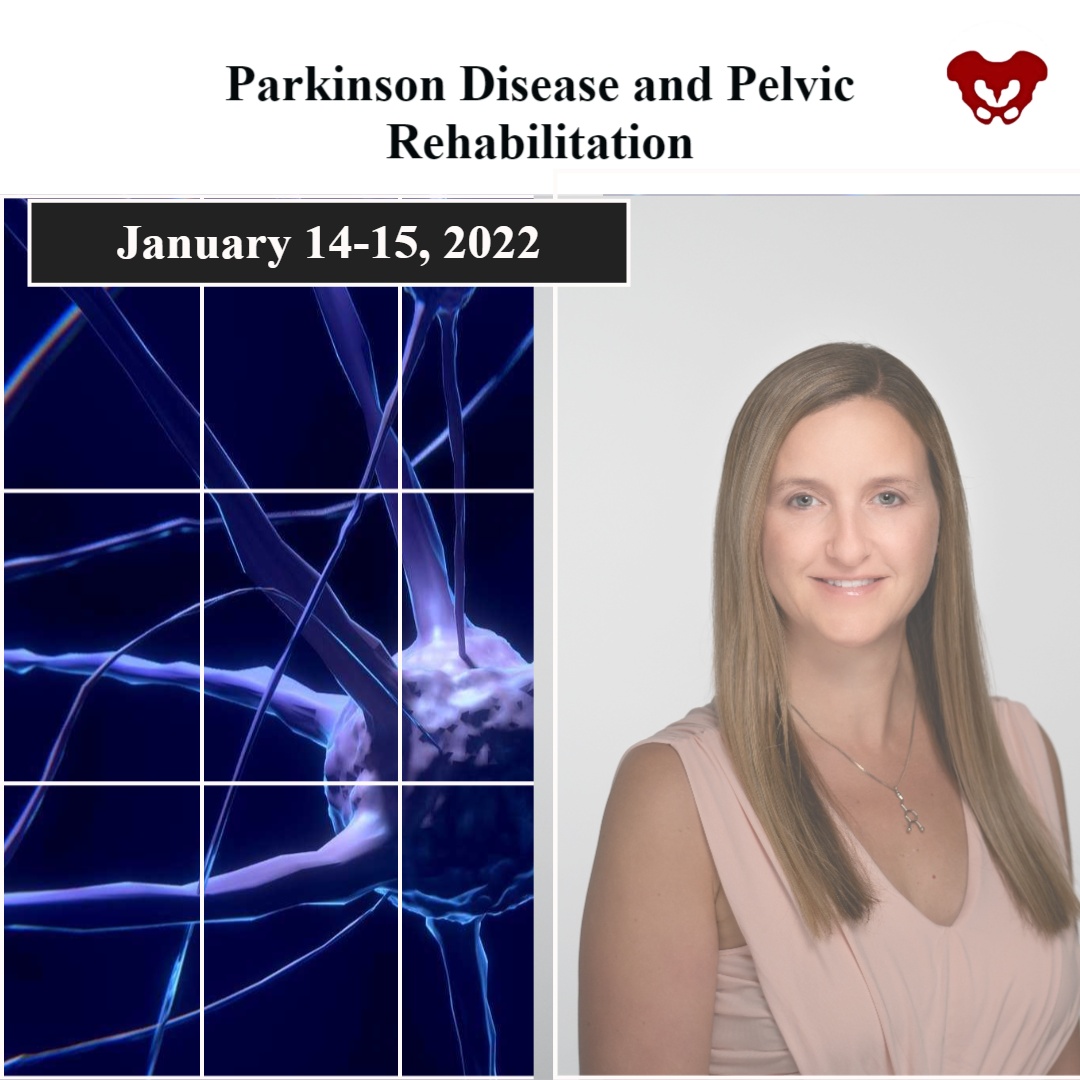
Erika Vitek is kicking off the new year with her remote course Parkinson Disease and Pelvic Rehabilitationscheduled for January 14-15, 2022. In this course, she explains that akinesia is a term to describe the movement dysfunction observed in people with Parkinson Disease (PD). Akinesia is defined as poverty of movement, impairment or loss of the power to move, and slowness in movement initiation. This is observable in the loss of facial expression, associated nonverbal communicative movements, arm swing with gait, and overall small amplitude movements throughout all skeletal muscles in the body.

The cause of this characteristic profile of movement is due to loss of dopamine production in the brain, which causes a lack of cortical stimulation for movement(1). If the loss of dopamine production in the brain causes this poverty of movement in all skeletal muscles of the body, how does the pelvic floor function in people with PD, and what should the pelvic floor rehabilitation professional know about treating the pelvic floor in this population of patients?

Common pelvic floor dysfunctions often involve functions controlled through reflexes and voluntary actions such as bladder, bowel, and sexual functions. PD-related pelvic floor dysfunctions impact the non-motor portion of the bladder, bowel, and sexual functions. A recent study by Gupta et al. showed that “urinary dysfunction and constipation, manifestations of pelvic floor dysfunction are common sources of disability and impaired quality of life in women with PD(2).” This study concluded that pelvic floor dysfunction is underreported and undertreated in people with Parkinson's Disease.

As there is no cure for PD, the goal for all treatment strategies is to slow the disease progression and achieve neuroprotection while improving quality of life. There are five common strategies in treating this patient demographic: rehabilitation, therapy, restoration, maintenance, and surgery, as found by Frank Church. Rehabilitate follows the diagnosis and treatments and includes physical, occupational, and speech therapy. Therapy refers to the use of levodopa or other dopamine agonists to preserve dopamine. The restorative strategy includes aerobic exercise programs. Maintenance strategy uses complementary and alternative medicine to support and protect the brain microenvironment, while surgery includes deep brain stimulation(3).

Patients with PD can benefit from physical and occupational therapy as part of their rehabilitative management strategy. A trained practitioner can work with the patient to introduce neuromuscular re-education training. In this type of training, reflexive actions are optimized by promoting repetitive firing of the neurons in the circuits to allow the body to adapt to the most efficient path. Practitioners can also introduce strength training for those muscles under voluntary control to reduce muscle strain and improve contract-relax properties. Exercise-based interventions have been shown to promote improvements and allow a better quality of life in pelvic floor function of Parkinson's patients.

As part of the Parkinson Disease and Pelvic Rehabilitation course curriculum, Erica Vitek delves into the characteristic pelvic health dysfunctions that people with PD face. Options for assessment and treatment planning are also provided, including applications for TENS in the neurologic population. Erica shares “There is no pathological evidence that in Parkinson Disease there is any break in the continuity of the motor system. The neurologic pathways are all intact and the ability to produce muscle power is retained. However, a strong base of clinical knowledge of the disease is required to help these patients activate these intact motor pathways.”


References:


  1. Caligiore D, et al. Different Dopaminergic Dysfunctions Underlying Parkinsonian Akinesia and Tremor. Front. Neurosci., 29 May 2019 | https://doi.org/10.3389/fnins.2019.00550
  2. Gupta, Ankita et al. Pelvic Floor Health in Women with Parkinson’s Disease. Journal of Parkinson's Disease 1 Jan. 2021: 857 – 864. DOI: 10.3233/JPD-202491 | https://content.iospress.com/articles/journal-of-parkinsons-disease/jpd202491
  3. Church FC. Treatment Options for Motor and Non-Motor Symptoms of Parkinson’s Disease. Biomolecules. 2021; 11(4):612  | https://doi.org/10.3390/biom11040612


Continue reading

All Upcoming Continuing Education Courses